Uncle Sam Was a Meat Packer From Troy, New York — The Rest Is Borrowed History
He's one of the most recognized figures in American visual culture — the gaunt, white-bearded man in the star-spangled top hat, pointing directly at you with an expression that suggests he's not asking twice. Uncle Sam is so familiar that he's essentially become wallpaper: recruitment posters, political cartoons, Halloween costumes, bumper stickers, Fourth of July decorations. He's shorthand for the federal government, for national identity, for America itself in its most theatrical, finger-wagging form.
But nobody designed him. Nobody commissioned him. No president signed a proclamation naming him the face of the nation. Uncle Sam is a symbol that assembled itself by accident over roughly 150 years, built from a real person's nickname, a cartoonist's running joke, and one struggling illustrator's government paycheck during the worst economic crisis in American history.
The Man Behind the Initials
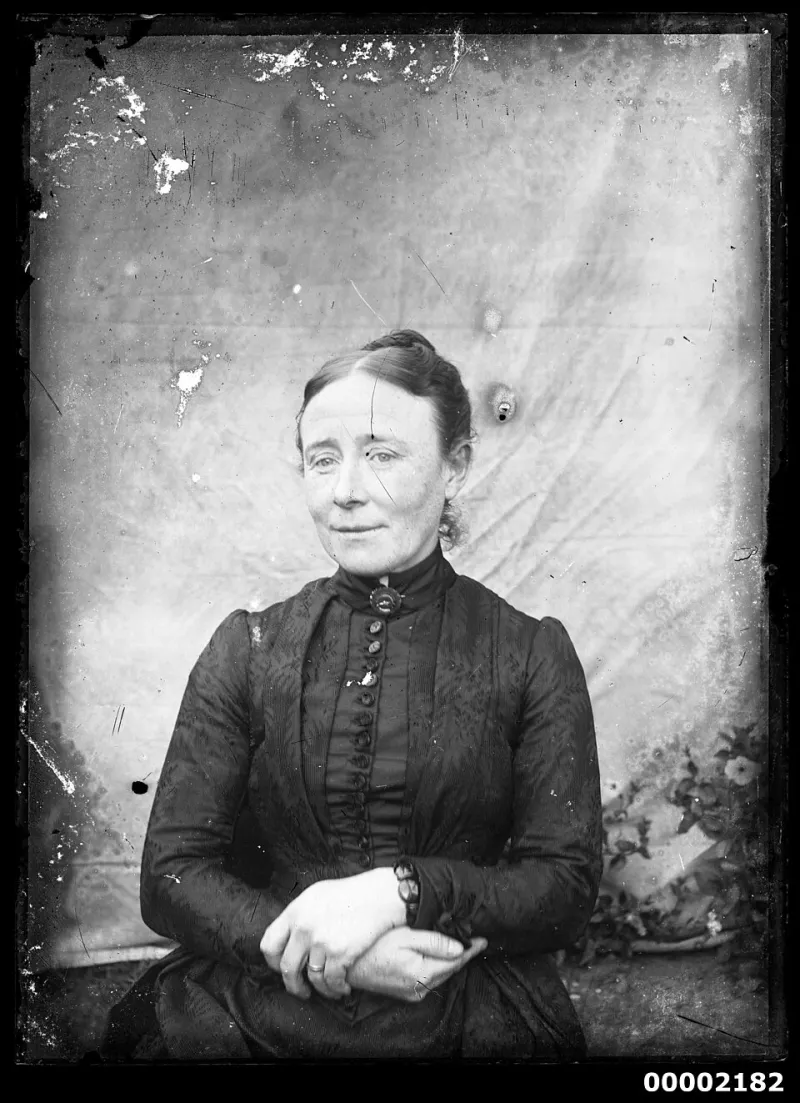
The origin story starts with a practical and slightly mundane fact: during the War of 1812, a meat packer from Troy, New York named Samuel Wilson supplied barrels of beef to the U.S. Army. Wilson was a well-liked figure in his community — people called him "Uncle Sam" the way you might call a trusted, good-natured older neighbor by a familiar name. His barrels were stamped with the letters "U.S." to indicate government property, and the story goes that when soldiers or workers were asked what the initials stood for, someone joked: "Uncle Sam Wilson."
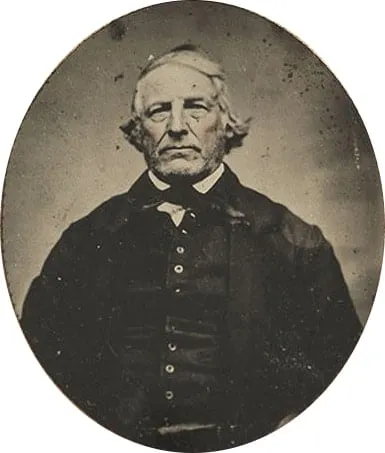 Photo: Samuel Wilson, via uncoveringnewyork.com
It was a throwaway line. A bit of barracks humor. But the joke traveled, and "Uncle Sam" as slang for the U.S. government started appearing in newspapers by 1813. Within a few years it had become a reasonably common informal expression — the kind of nickname that sticks not because anyone decided it should, but because it was easy to say and felt vaguely affectionate.
Congress officially recognized Samuel Wilson as the namesake of the Uncle Sam figure in 1961, roughly 150 years after the fact. By then, the real man had almost nothing to do with the image everyone recognized.
Thomas Nast Draws a Character
For most of the 1800s, "Uncle Sam" existed as a phrase without a fixed face. Political cartoonists occasionally drew a lanky, patriotically dressed American figure, but there was no consistent look. Then Thomas Nast came along.
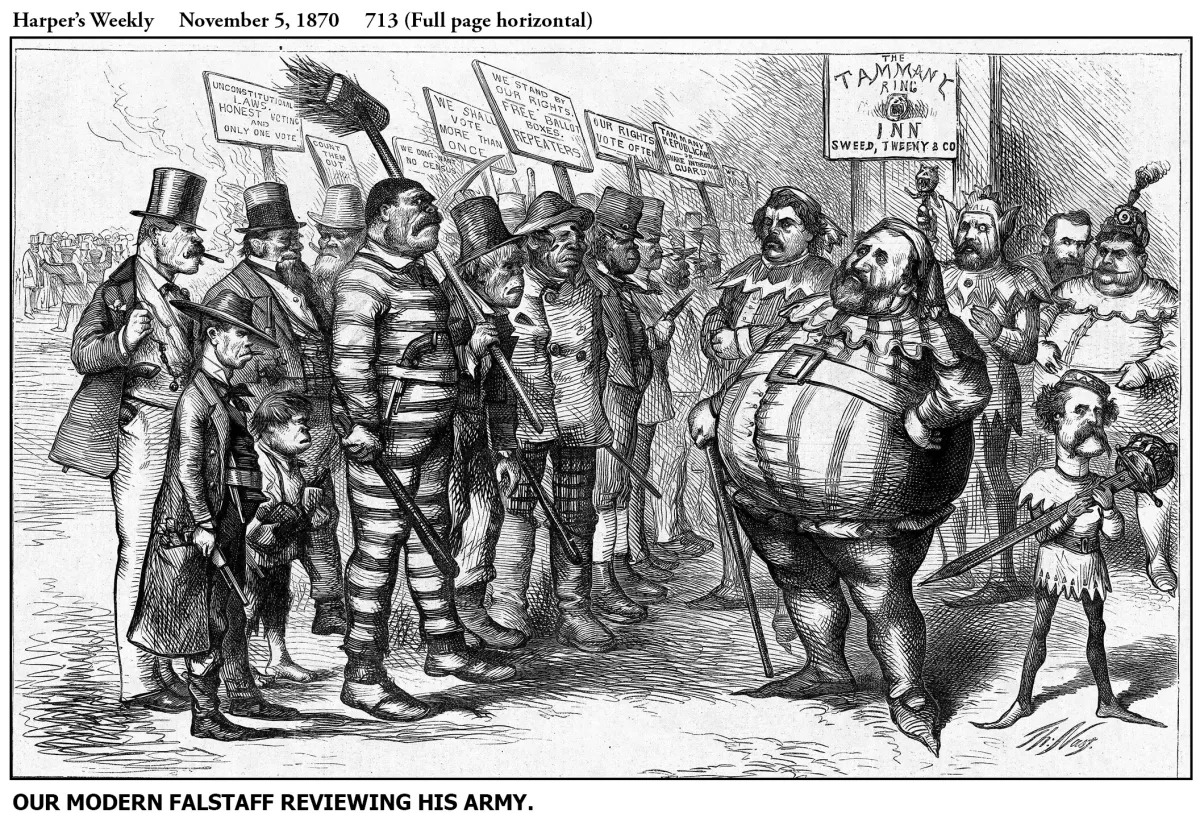 Photo: Thomas Nast, via thomasnast.com
Nast was the most influential political cartoonist of the 19th century — the same man who gave Americans their modern image of Santa Claus and who effectively destroyed the political career of New York's corrupt Boss Tweed through relentless caricature. Starting in the 1870s, Nast began drawing Uncle Sam with increasing regularity: tall, thin, white-bearded, dressed in stars and stripes, usually looking either dignified or exasperated depending on whatever political situation Nast was skewering that week.
Nast didn't invent these visual elements from scratch. He was borrowing from earlier cartoonists and riffing on a vague existing tradition. But he drew the character so often, in such a widely read publication — Harper's Weekly — that his version of Uncle Sam started to feel definitive. Repetition created authority. By the end of the 19th century, when Americans pictured Uncle Sam, they were largely picturing Nast's version.
James Montgomery Flagg Makes It Permanent
The image most people actually have locked in their heads — the one with the direct stare and the pointed finger — came from a single illustration created in 1917 by a commercial artist named James Montgomery Flagg. The U.S. had just entered World War I and needed a military recruitment poster. Flagg, who was a successful magazine illustrator and portraitist, got the commission.
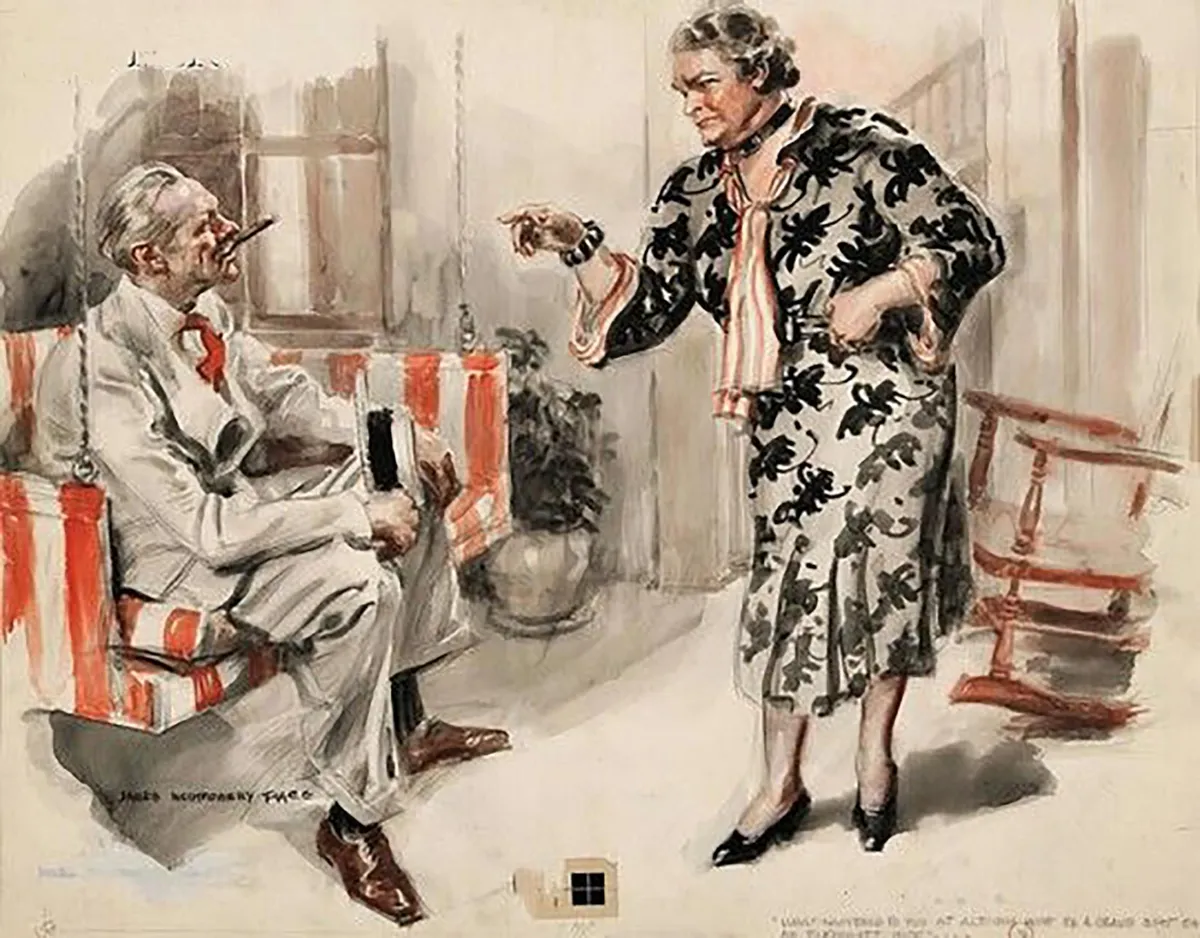 Photo: James Montgomery Flagg, via a.1stdibscdn.com
Here's the detail that makes the whole thing slightly absurd in retrospect: Flagg used himself as the model for Uncle Sam's face. He was 39 at the time, not particularly gaunt, and not especially beard-heavy, so he added the white chin whiskers and adjusted the proportions. The pose — the direct gaze, the extended arm, the finger aimed straight at the viewer — was borrowed from a British recruitment poster featuring Lord Kitchener that had been circulating since 1914. Flagg Americanized the composition, plugged in his own face, and delivered the poster.
It became one of the most reproduced images in American history. During World War I alone, roughly four million copies were printed. The image was revived during World War II, reprinted again during Korea and Vietnam, and eventually escaped the military context entirely to become a general-purpose symbol of American government, authority, and national identity.
What Accidental Icons Actually Tell Us
The Uncle Sam story is uncomfortable in a specific way if you think about it too hard. Here is a symbol that carries enormous cultural weight — that represents the government's claim on your attention, your taxes, your military service — and it was assembled from a meat packer's nickname, a cartoonist's habit, and an illustrator who was essentially working from a British template and using his own face because it was convenient.
There was no committee. No design brief. No national conversation about what America's symbolic representative should look like. The whole thing just accreted, layer by layer, until it felt inevitable.
That's actually the more honest story of how most national symbols work. They aren't handed down from some moment of collective intention. They survive through repetition until people stop questioning their origins and start treating them as permanent. Uncle Sam didn't become America's face because he was chosen. He became America's face because enough artists kept drawing him, enough posters kept printing him, and enough people kept seeing him that eventually the question of where he came from stopped feeling relevant.
Samuel Wilson, the actual man from Troy, died in 1854. He never saw a recruitment poster. He probably never imagined that a joke about his initials on beef barrels would end up pointing at Americans from post office walls for the next two centuries.