How a Fabric-Cutting Machine Nobody Wanted Became the Sound of the American Weekend
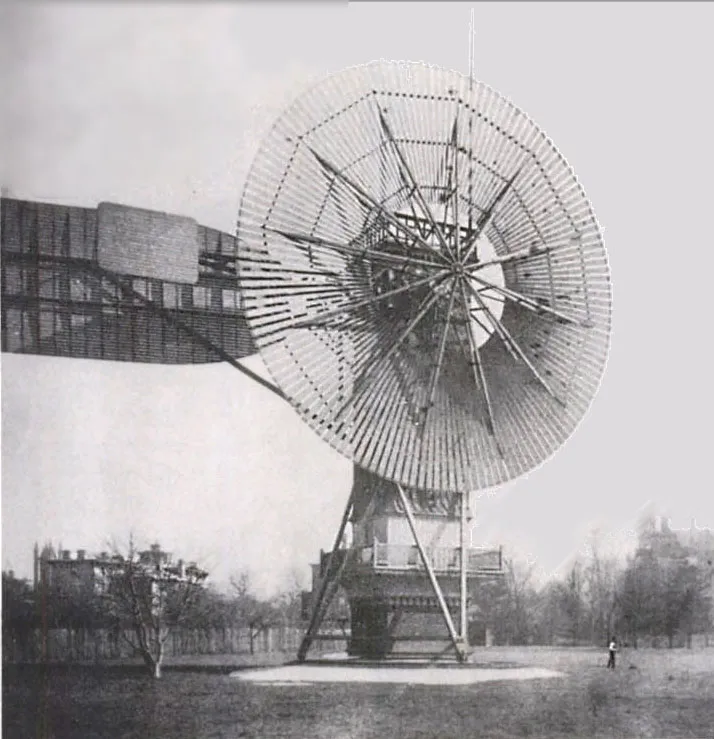
Photo: Unknown authorUnknown author, Public domain, via Wikimedia Commons
Every Saturday morning across America, the same sound rolls through neighborhoods like a slow-moving wave. One engine starts. Then another. Then another. By 9 a.m., the whole block is humming. It's the sound of lawnmowers — and it's so deeply woven into American life that most people never stop to ask where it actually came from.
The answer is weirder than you'd expect. And it starts not in a backyard, but on a factory floor in England — with a machine designed to cut fabric.
A Textile Mill in Gloucestershire
In 1830, an engineer named Edwin Budding was walking through a textile mill in Stroud, England, when he noticed something. A machine used to trim the uneven nap from wool cloth — essentially a rotating blade mounted on a cylinder — was doing something interesting. It was cutting in a clean, even line.
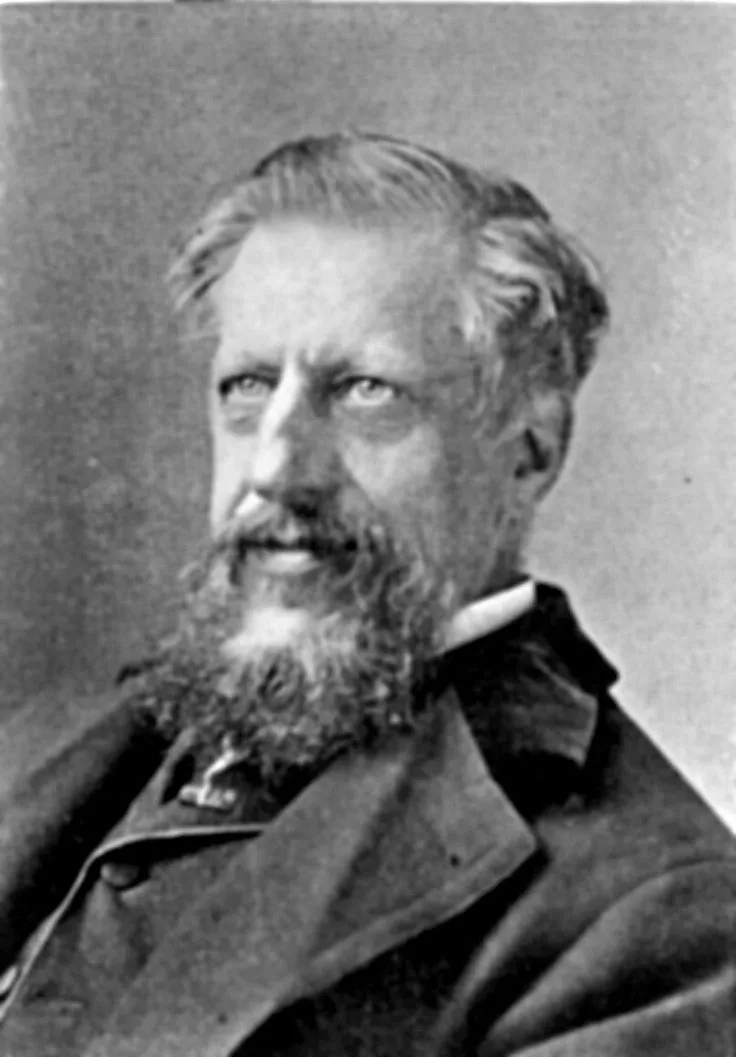 Photo: Edwin Budding, via i.pinimg.com
Budding had a thought: what if you took that same rotating cylinder and ran it over grass?
He patented the idea that same year. His machine was heavy, awkward, and required two people to operate — one to pull it from the front with a rope, one to push from behind. It was marketed primarily to the owners of large estates and cricket grounds who could afford the labor. For ordinary people, grass was still cut by hand with scythes, which was backbreaking work but at least didn't require a cast-iron contraption that weighed as much as a small horse.
For the next several decades, the lawnmower sat in an awkward commercial middle ground. Too expensive for most households, too slow for large farms, and — in America especially — largely ignored.
America Wasn't Interested
When Budding's design crossed the Atlantic, American manufacturers tried to sell it to a population that was predominantly rural and had exactly zero interest in manicured lawns. Grass was something you fed to animals, not something you performed maintenance rituals around. The few wealthy Americans who did maintain formal gardens typically employed groundskeepers with scythes. A machine felt unnecessary.
American manufacturers tinkered with the design through the late 1800s, making it lighter and eventually horse-drawn for larger properties. By the early 1900s, reel mowers — the push-powered spinning-blade kind — were available to middle-class homeowners, but adoption was slow. Lawns were still largely a status symbol of the wealthy, not a standard feature of everyday American life.
That all changed in the late 1940s. And it changed fast.
Suburbia Needed a Ritual
After World War II, the American housing landscape transformed almost overnight. The GI Bill sent millions of veterans into newly built suburban developments — places like Levittown in New York and its counterparts across the country. These homes came with something the old urban tenement or rural farmhouse rarely had: a yard.
Suddenly, millions of Americans owned a patch of grass and had absolutely no idea what to do with it.
Developers and community associations quickly established informal norms: the lawn should be kept neat. It was part of the social contract of suburban life. A well-maintained lawn signaled that you were a good neighbor, a responsible homeowner, a functioning member of the community. A shaggy lawn was, in the unspoken language of postwar suburbia, a mild form of moral failure.
Gasoline-powered rotary mowers — lighter, cheaper, and far easier to use than their reel-blade predecessors — arrived on the market just in time to meet this demand. Companies like Briggs & Stratton, Toro, and Lawn-Boy began aggressive marketing campaigns aimed directly at the new suburban homeowner. Magazine ads showed smiling fathers pushing mowers across perfectly striped lawns while children played safely in the background. The message was clear: a good lawn meant a good life.
By the mid-1950s, lawnmower sales in America were exploding. In 1950, Americans bought roughly 1.2 million mowers. By 1960, that number had nearly quadrupled.
The Saturday Morning Ritual Takes Shape
What happened next was a cultural evolution that nobody planned. The lawnmower didn't just become a tool — it became a ritual. Specifically, a Saturday morning ritual.
The logic was practical at first. You mowed on Saturday because that's when you weren't at work. But the timing created something unexpected: a shared neighborhood rhythm. When one person started their mower, it was a kind of social signal. Others would follow. By mid-morning, the whole street was engaged in the same collective act, and there was a strange communal satisfaction in it.
Psychologists who have studied the phenomenon point to something interesting: mowing is one of the few household chores that produces an immediately visible and aesthetically satisfying result. You can see exactly what you've accomplished. The clean lines, the fresh smell of cut grass, the before-and-after contrast — it delivers a sense of control and completion that most chores simply don't.
For postwar American men, who had largely been defined by their professional roles, lawn care also offered a domain of visible mastery. You didn't need a professional. You did it yourself. The lawn became a canvas for a particular kind of American self-reliance.
A $10 Billion Identity Marker
Today, the American lawn care industry — mowers, equipment, services, and supplies — is worth roughly $10 billion annually. Americans spend more on their lawns than most countries spend on entire agricultural sectors. There are approximately 40 million acres of lawn in the United States, making turf grass one of the largest irrigated crops in the country.
And Edwin Budding's original patent? It expired long ago. But the idea he pulled from a wool-trimming machine in a Gloucestershire textile mill in 1830 is still running every Saturday morning in neighborhoods from Maine to California.
The sound isn't just a mower. It's a ritual, a social signal, and a strange piece of American identity that started as a rejected solution to a problem most people didn't think they had.