The Quaker Merchants Who Convinced America to Touch Strangers

The Medieval Myth That Everyone Believes
Every American learns the same story about handshakes: medieval knights grabbed each other's weapon hands to prove they weren't carrying swords. It's a neat explanation that makes perfect sense, except for one problem—it's probably not true.
The real story of how Americans learned to shake hands with strangers is messier, more recent, and involves religious reformers, ambitious merchants, and a deliberate campaign to engineer trust between people who had never met.
When Americans Kept Their Hands to Themselves
In colonial America, physical contact between strangers was rare and often inappropriate. Gentlemen tipped their hats. Ladies curtsied. Working people nodded. The idea of grabbing a stranger's hand would have seemed presumptuous, even aggressive.
European visitors to early America often commented on how physically distant Americans seemed compared to their Continental counterparts. Thomas Jefferson wrote extensively about proper greetings, and hand-grasping wasn't among his recommendations. Even business deals were sealed with bows, not handshakes.
Something changed dramatically in the early 1800s. By 1850, foreign visitors were noting how quickly Americans would grab hands with complete strangers. What happened?
The Quaker Business Revolution
The answer starts with Quaker merchants in Philadelphia and their radical approach to commerce. Unlike other religious groups, Quakers believed in spiritual equality—that every person contained an "inner light" worthy of respect. This philosophy created a business problem: how do you show equal respect to customers regardless of their social class?
Traditional greetings reinforced hierarchy. Bowing showed deference. Hat-tipping acknowledged superiority. But shaking hands treated everyone as equals. By the 1810s, successful Quaker businesses had adopted handshaking as their standard customer greeting, regardless of whether they were dealing with wealthy merchants or working-class buyers.
The strategy worked brilliantly. Customers felt respected and trusted Quaker merchants more than competitors who maintained formal distance. Word spread through America's business community: the handshake wasn't just polite—it was profitable.
The Doctor's Crusade Against Germs
Just as handshaking gained commercial popularity, it faced an unexpected enemy: medical reformers who understood germ theory decades before most Americans. Dr. Oliver Wendell Holmes Sr. spent the 1840s trying to convince Americans that touching strangers spread disease.
Holmes had studied European medical research and understood that physical contact transmitted illness. He published papers arguing that handshaking was literally killing Americans, particularly during cholera and typhoid outbreaks. His solution? A polite bow and verbal greeting that kept dangerous hands apart.
But Holmes was fighting a losing battle against economic forces. American business culture had discovered that handshaking built trust faster than any other greeting, and trust meant sales. Merchants weren't going to abandon their most effective customer relations tool because of theoretical medical concerns most people couldn't understand.
The Political Handshake Revolution
The handshake's victory over medical objections came through politics. Andrew Jackson's 1828 presidential campaign deliberately used handshaking to signal that he was a "common man" candidate who respected ordinary voters. Jackson's campaign events featured the candidate personally shaking hands with hundreds of supporters—something previous presidential candidates had considered beneath their dignity.
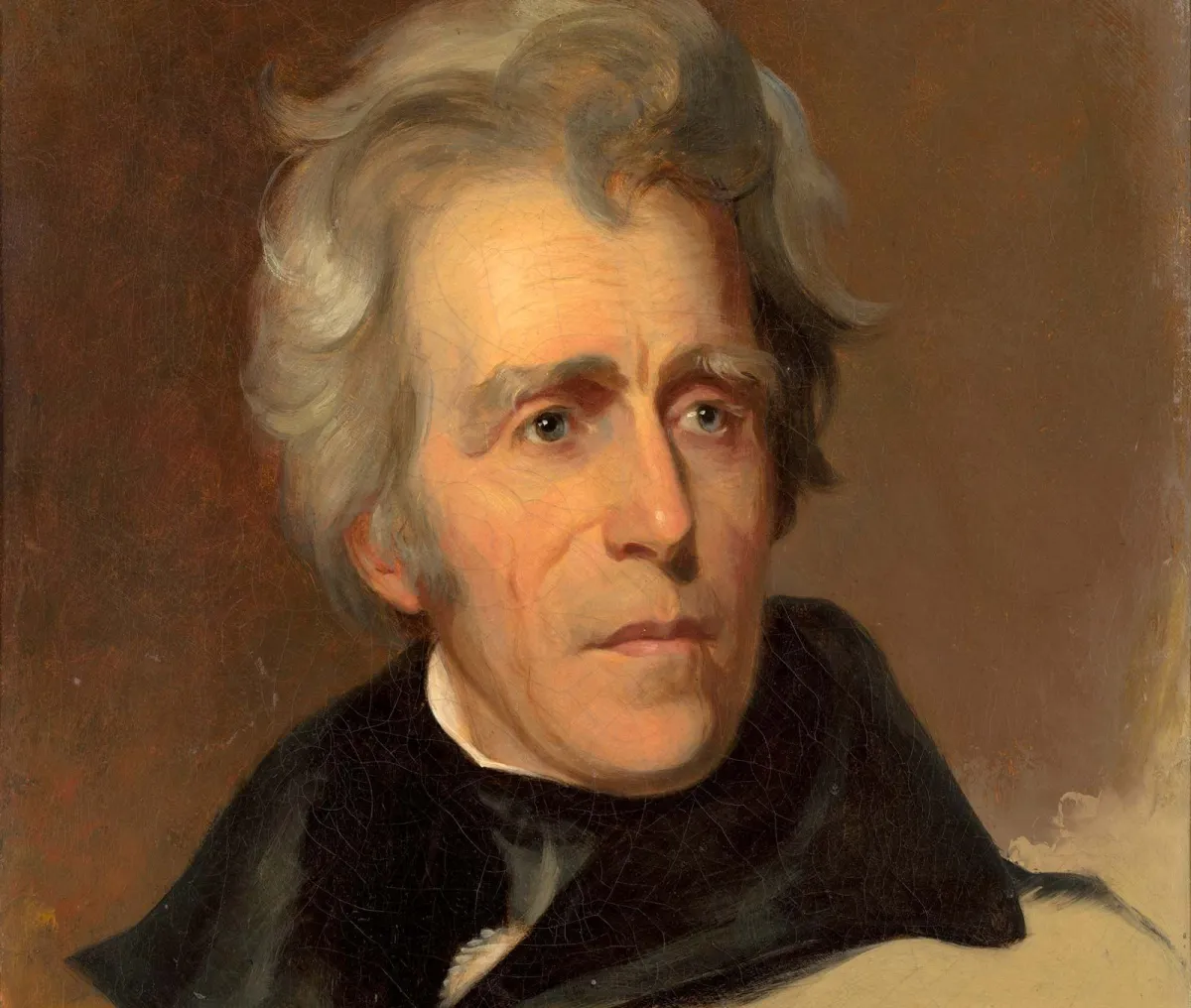 Photo: Andrew Jackson, via cdn.britannica.com
Jackson's electoral success convinced other politicians that handshaking was essential for American democracy. By 1840, any candidate who refused to shake hands with voters was seen as aristocratic and out of touch. The handshake had become America's official gesture of democratic equality.
European visitors found this peculiar. In their countries, handshaking was reserved for social equals or business partners. Americans seemed to shake hands with anyone, anywhere, for any reason. The practice struck foreign observers as simultaneously egalitarian and oddly intimate.
The Railroad Network Effect
The handshake's final conquest of American culture came through transportation. As railroads connected distant cities, American businessmen found themselves constantly meeting strangers in unfamiliar places. The handshake became a kind of cultural passport—a way to quickly signal trustworthiness and establish business relationships.
Railroad stations, hotels, and commercial districts became handshaking zones where men from different regions could instantly recognize each other as legitimate business partners. The gesture spread beyond commerce into social situations, creating the modern American expectation that strangers should be willing to touch hands upon introduction.
By 1860, European etiquette books were noting that Americans shook hands "excessively" and seemed uncomfortable with any other form of greeting. The transformation was complete: America had become a handshaking nation.
The Gendered Handshake
Women's relationship with handshaking remained complicated throughout the 19th century. While men shook hands freely, women were expected to offer their hands only to social equals or in specific business contexts. This created a parallel system where women's handshakes carried different meanings than men's.
The suffrage movement deliberately adopted handshaking as a symbol of women's equality. Susan B. Anthony and Elizabeth Cady Stanton made point of shaking hands with male politicians and business leaders, using the gesture to claim equal status in public life. By 1920, women's handshaking had become as routine as men's.
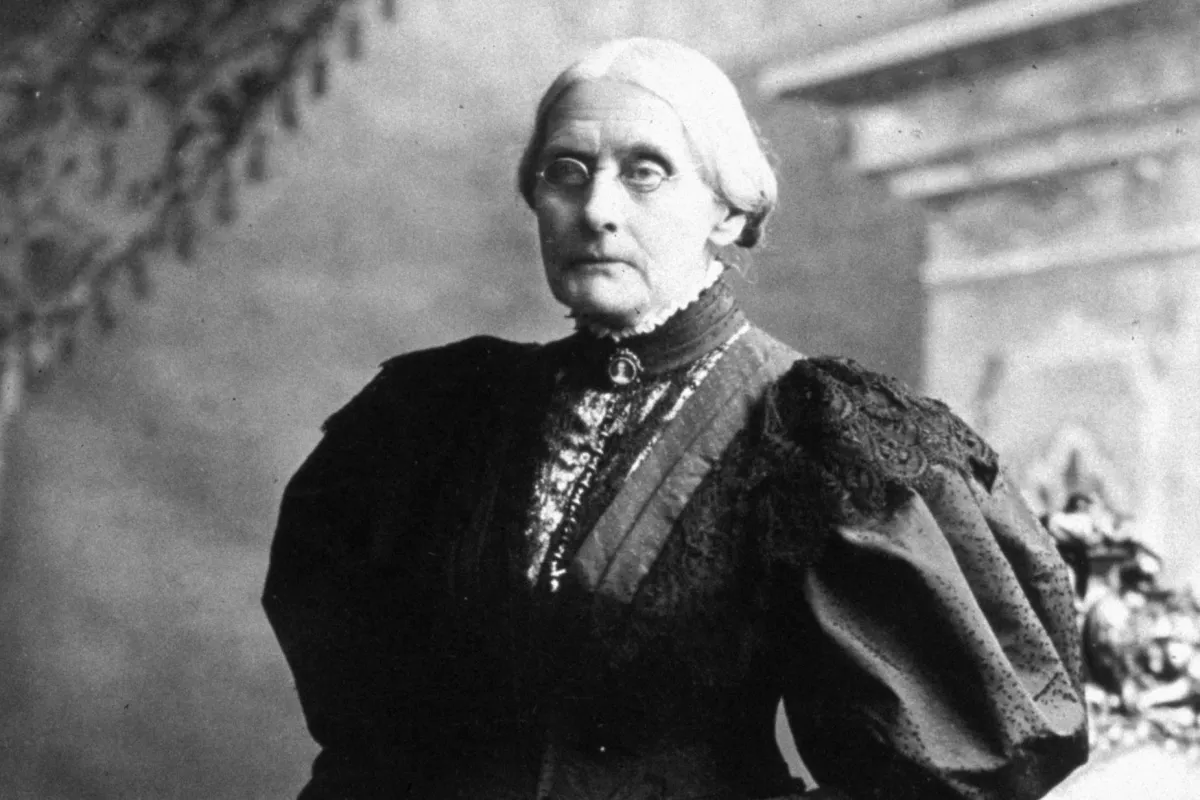 Photo: Susan B. Anthony, via www.thoughtco.com
Why America Kept Shaking
Other nations abandoned or modified their handshaking traditions over the decades. The Japanese maintained bowing. Many European countries adopted cheek-kissing or reduced physical contact. But Americans doubled down on handshaking, making it central to business culture, politics, and social interaction.
The reason was uniquely American: the handshake solved the problem of how to show respect and build trust in a society without inherited class distinctions. In a country where anyone might become wealthy or powerful, the handshake provided a democratic greeting that acknowledged potential without requiring knowledge of background or status.
The Pandemic Test
COVID-19 finally gave Americans the health crisis Dr. Holmes had warned about 180 years earlier. Suddenly, handshaking became genuinely dangerous, and the country had to rediscover alternative greetings. The awkward elbow bumps and air handshakes that emerged during 2020 proved how deeply the gesture had embedded itself in American culture.
But as restrictions lifted, handshaking returned with surprising speed. The gesture that Quaker merchants had promoted for business reasons, that politicians had adopted for democratic symbolism, and that had survived multiple health scares, proved more durable than a global pandemic.
The handshake remains America's signature greeting because it embodies something essential about American culture: the belief that strangers should be willing to trust each other, at least enough to touch hands. It's a small gesture with a big message about how Americans think democracy should work.