The Depression-Era Invention That Nobody Wanted But Secretly Made America Smarter
When Desperation Breeds Innovation
In 1931, while breadlines stretched around city blocks and one in four Americans couldn't find work, Alfred Mosher Butts was sketching letter frequencies on his kitchen table in Jackson Heights, Queens. The unemployed architect had been laid off from his job designing buildings nobody could afford to construct, and like millions of other Americans, he was scrambling to survive.
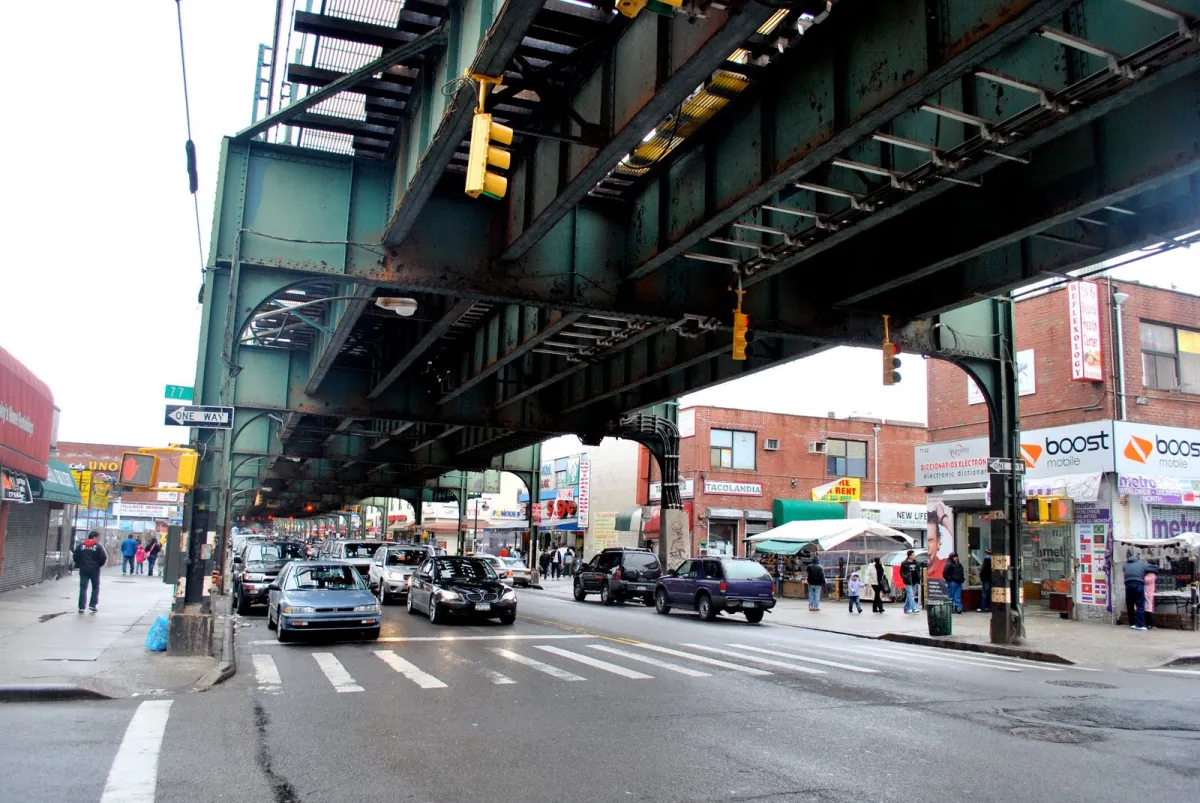 Photo: Jackson Heights, Queens, via 3.bp.blogspot.com
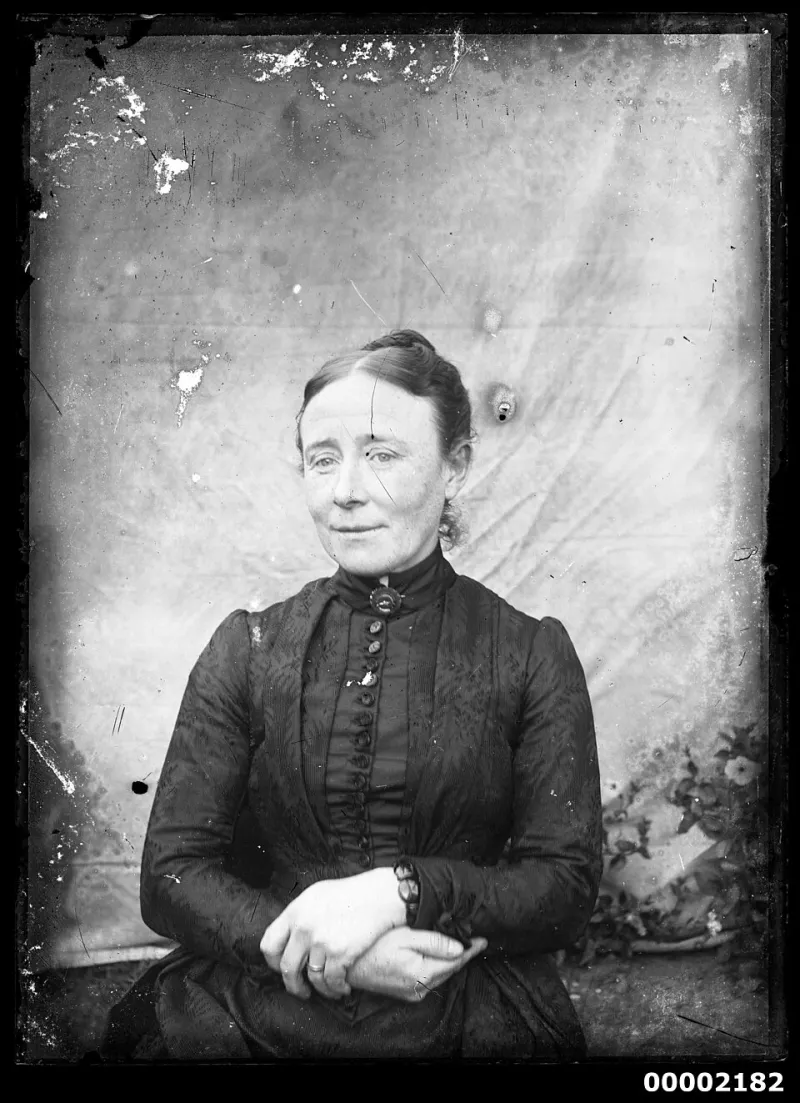
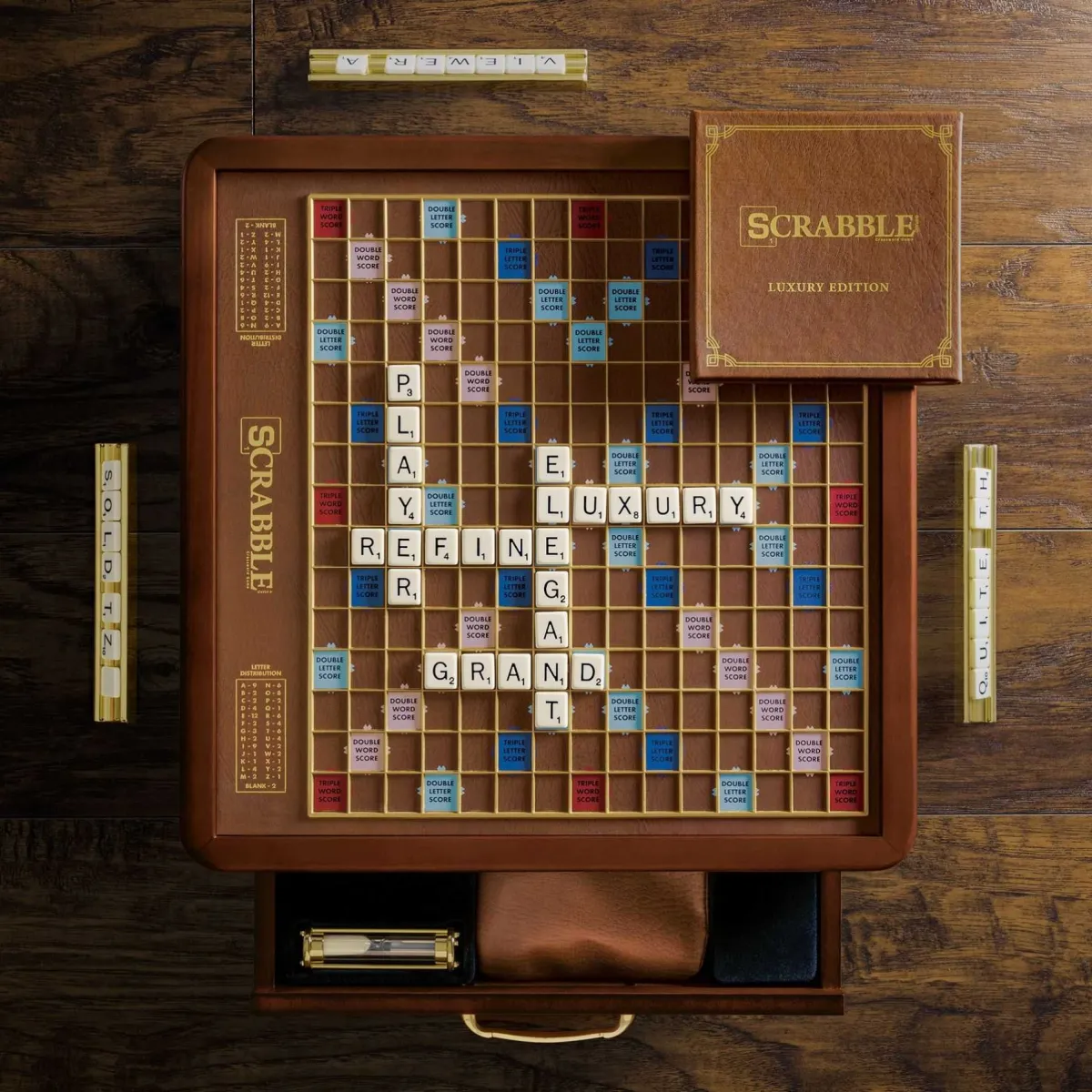 Photo: Alfred Mosher Butts, via peopleofplay.com
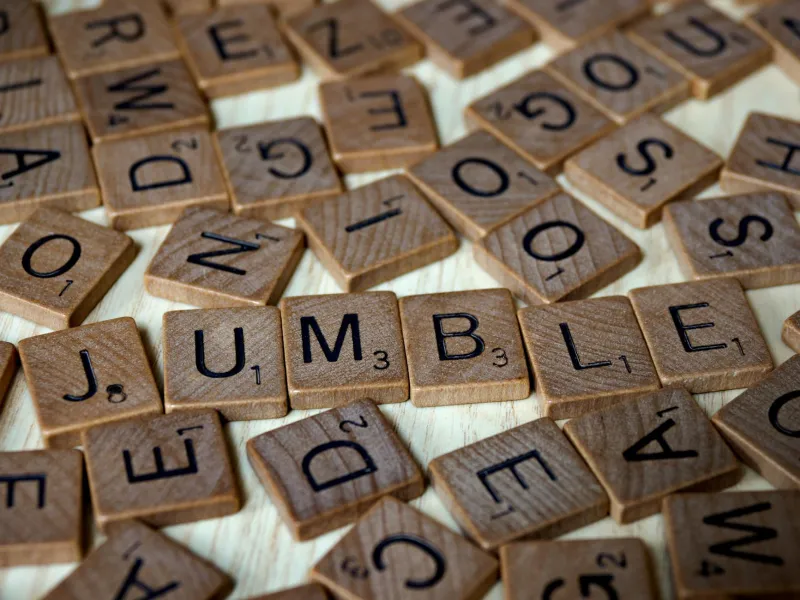
Butts had always been fascinated by word puzzles, but his idea was different. Instead of solving someone else's puzzle, players would create their own words using letter tiles, each worth different points based on how often those letters appeared in English. He called it "Lexiko," and later "Criss-Cross Words." What he didn't realize was that he was inventing something that would fundamentally change how American children learned to read.
The Rejection Tour That Lasted Fifteen Years
For the next decade and a half, Butts pitched his game to every major toy company in America. Parker Brothers passed. Milton Bradley wasn't interested. Hasbro said no. The game was too complicated, they argued. Too intellectual. Americans wanted simple entertainment, not homework disguised as fun.
The rejections stung, but Butts kept refining his creation. He hand-carved wooden tiles in his apartment, carefully calculating point values by analyzing letter frequency in newspapers and magazines. He was unknowingly creating what reading specialists would later recognize as one of the most effective vocabulary-building tools ever invented.
By the 1940s, Butts had nearly given up. He'd sold a few hundred handmade sets to friends and neighbors, but his dream of mass production seemed impossible. Then, in 1948, a social worker named James Brunot discovered the game at a friend's house and became obsessed. Brunot convinced Butts to sell him the rights, renamed the game "Scrabble," and began manufacturing it in an abandoned schoolhouse in Connecticut.
The Vacation Discovery That Changed Everything
For four years, Scrabble sales crawled along. Brunot was losing money, producing games faster than Americans were buying them. The end seemed near until the summer of 1952, when Jack Strauss, the chairman of Macy's department store, went on vacation to the Hamptons.
 Photo: Jack Strauss, via d1q40j6jx1d8h6.cloudfront.net
At a friend's beach house, Strauss encountered a game unlike anything he'd seen. Guests were huddled around a board, debating whether "qi" was a real word, calculating triple-word scores, and teaching children spelling without realizing it. Strauss was amazed that something so educational could be so addictive.
When he returned to New York, Strauss immediately placed a massive order for Macy's. Almost overnight, Scrabble went from a niche curiosity to a national phenomenon. Other retailers followed Macy's lead, and by Christmas 1952, Brunot couldn't keep up with demand.
The Accidental Reading Revolution
What nobody anticipated was how Scrabble would transform American literacy habits. Unlike other board games that relied on luck or strategy, Scrabble rewarded vocabulary knowledge. Children who played regularly began outperforming their peers in spelling and reading comprehension.
Parents noticed their kids asking about word meanings during dinner conversations. Teachers reported students showing up to class with unusual vocabulary words they'd learned trying to use high-point letters like Q and Z. The game was doing something that decades of educational reform had struggled to achieve: making children excited about words.
Reading specialists eventually discovered that Scrabble players naturally developed what researchers call "orthographic awareness" – an intuitive understanding of how letters combine to form words. Kids weren't just memorizing spelling lists; they were internalizing the patterns and structures of English.
From Kitchen Table to Cultural Institution
By the 1960s, Scrabble had become a permanent fixture in American homes. The game that toy companies once dismissed as too intellectual was now selling millions of copies annually. Families gathered around Scrabble boards during holidays, and children grew up thinking that word games were normal entertainment.
The impact went beyond individual households. Scrabble tournaments became serious competitions, complete with official dictionaries and professional players who memorized obscure two-letter words. The game influenced everything from crossword puzzle design to vocabulary instruction in schools.
Today, more than 150 million Scrabble sets have been sold worldwide, with the game translated into 29 languages. What began as one man's desperate attempt to make rent during the Great Depression became an accidental literacy program that's been running in American homes for over 70 years.
Alfred Butts lived to see his rejected invention become a cultural phenomenon, though he never made much money from it. He'd sold his rights too early, before anyone understood what he'd really created: not just a game, but a tool that would quietly teach millions of American children to fall in love with language, one seven-letter word at a time.