The Word War: How Two Inventors' Telephone Feud Gave America Its Most Common Greeting
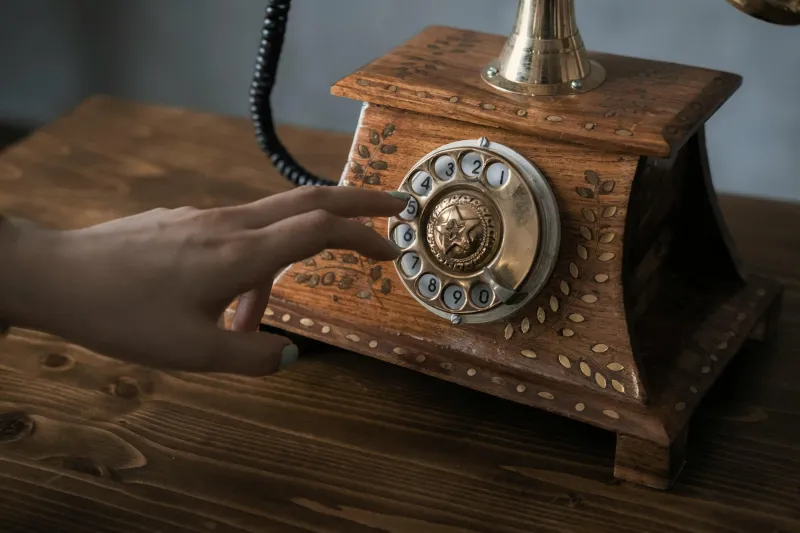
When Nobody Knew How to Answer the Phone
Imagine picking up your phone and saying "ahoy" instead of "hello." It sounds ridiculous now, but in 1876, that's exactly what Alexander Graham Bell wanted Americans to do. The telephone was so new that nobody had figured out the basic etiquette of using one, starting with the most fundamental question: what do you say when you pick up?
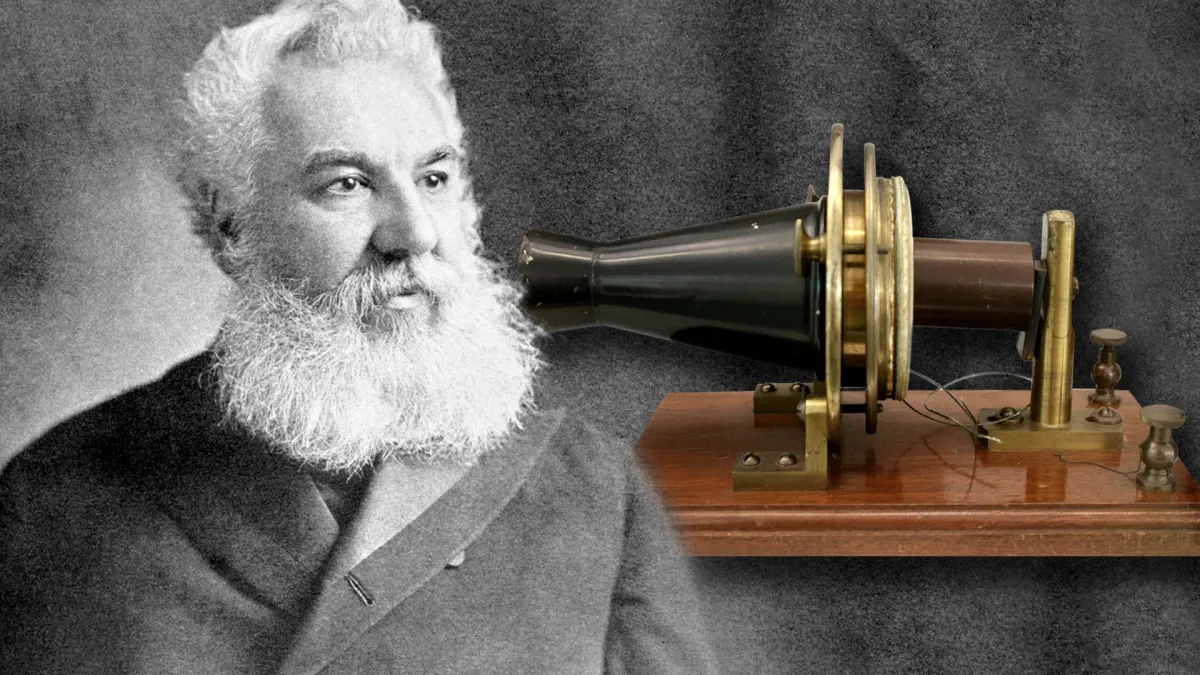 Photo: Alexander Graham Bell, via cdn.britannica.com
Bell, the telephone's inventor, was adamant about "ahoy" – the traditional nautical greeting used by sailors when hailing other ships. It made perfect sense to him. Telephones were like ships communicating across vast distances, so why not use the same greeting that had worked on the ocean for centuries?
But Thomas Edison had a different idea. And in the battle between these two titans of American innovation, the winner would determine how hundreds of millions of people would greet each other for the next 150 years.
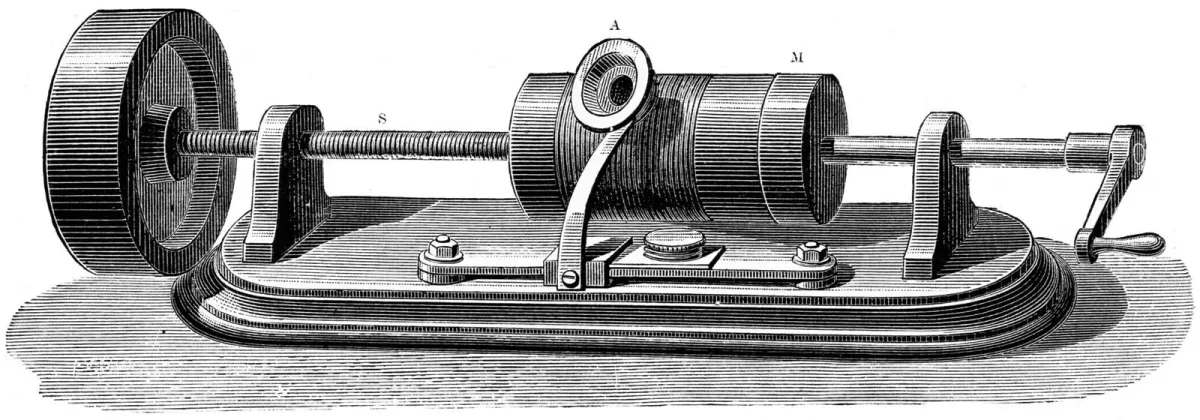 Photo: Thomas Edison, via cdn.britannica.com
The Naval Tradition That Almost Conquered America
"Ahoy" wasn't just Bell's whimsical preference – it was rooted in maritime tradition dating back to the 1400s. Sailors used it because it was loud, distinctive, and carried well across water. When Bell demonstrated his telephone to amazed audiences, he consistently opened conversations with a hearty "ahoy!"
Early telephone adopters followed Bell's lead. In the late 1870s, if you had one of the few telephones in America, you probably answered it by saying "ahoy." Phone companies printed instruction manuals recommending the greeting. For a brief moment, it looked like "ahoy" might become as American as apple pie.
But Edison wasn't convinced. The famous inventor, who was working on his own telephone improvements, thought "ahoy" sounded ridiculous. It was too nautical, too old-fashioned, too... European. Edison wanted something that sounded more modern, more distinctly American.
Edison's Linguistic Gamble
Edison's alternative was a word that barely existed in everyday American speech: "hello." Before the telephone, "hello" was mainly used as an exclamation of surprise – similar to how we might say "whoa!" today. It wasn't a greeting; it was something you shouted when something unexpected happened.
But Edison saw potential in "hello" that others missed. The word was short, clear, and had a rising inflection that naturally invited response. Unlike "ahoy," which felt formal and naval, "hello" sounded friendly and democratic. It was the kind of word that fit America's self-image as an informal, egalitarian society.
Edison began promoting "hello" aggressively. When he gave telephone demonstrations, he always answered with "hello." He encouraged his business associates to do the same. Most importantly, he convinced telephone operating companies to train their operators to use "hello" instead of "ahoy."
The Operators Who Settled the Debate
The real battle wasn't fought in laboratories or boardrooms – it was fought in telephone exchanges across America. Telephone operators, mostly young women hired to connect calls manually, became the unconscious arbiters of American linguistic culture.
Edison understood something Bell didn't: operators talked to more people in a single day than most Americans talked to in a month. Whatever greeting they used would quickly spread to every telephone conversation in the country. If he could win over the operators, he could win the entire linguistic war.
The strategy worked brilliantly. Operating companies found that "hello" was more efficient than "ahoy." It was shorter, clearer over scratchy early phone lines, and sounded more professional. By 1880, most telephone operators were greeting callers with "hello," and callers were responding in kind.
Bell fought back, publishing articles defending "ahoy" and arguing that "hello" was too informal for serious business communication. But it was too late. The operators had already made their choice, and America was following their lead.
From Technical Term to Cultural Revolution
The victory of "hello" over "ahoy" represented more than just a corporate rivalry – it marked a fundamental shift in American social culture. "Ahoy" carried centuries of maritime hierarchy and formal naval protocol. "Hello" was democratic, casual, and perfectly suited to a nation that prided itself on informality.
As telephone use exploded in the 1880s and 1890s, "hello" spread far beyond phone conversations. Americans started using it as a general greeting in face-to-face conversations, replacing more formal salutations like "good day" or "how do you do?" The telephone had accidentally created a new way for Americans to interact with each other.
By 1900, "hello" was so embedded in American speech that most people forgot it had ever been controversial. Children grew up thinking "hello" was the natural way to greet someone, not knowing they were participating in the aftermath of a linguistic battle between two of history's greatest inventors.
The Accidental Creation of Modern Politeness
"Hello" did more than change how Americans answered phones – it revolutionized the entire concept of casual greeting. Before "hello," most social interactions began with formal, class-conscious phrases that reinforced social hierarchies. "Hello" was refreshingly egalitarian. You could say it to anyone, regardless of their social status.
This democratization of greeting reflected larger changes in American society. The telephone was breaking down barriers between social classes, geographic regions, and even genders. "Hello" became the linguistic symbol of this new, more connected America.
Edison probably never imagined that his preference for a simple four-letter word would outlast most of his mechanical inventions. While his early phonographs and light bulbs have been replaced by newer technologies, "hello" remains virtually unchanged after nearly 150 years.
Today, Americans say "hello" billions of times per day, usually without thinking about its origins. But every time you answer your phone, you're participating in Thomas Edison's victory over Alexander Graham Bell – a reminder that sometimes the smallest decisions can have the biggest consequences for how an entire culture communicates.