How the Death Business Convinced Americans That Grass Was More Important Than Food
When American Yards Actually Made Sense
Walk through any American neighborhood today, and you'll see the same thing repeated endlessly: house after house fronted by perfectly trimmed rectangles of green grass. It looks natural, almost inevitable. But before 1900, this scene would have struck most Americans as completely insane.
Back then, front yards served actual purposes. Families grew vegetables where we now grow grass. They kept chickens, hung laundry, and stored firewood. The idea of dedicating valuable land to a crop you couldn't eat, that required constant maintenance and provided no income, seemed like something only crazy rich people would do.
And that's exactly what it was. In Europe, vast grass lawns were status symbols for aristocrats who owned so much land they could afford to waste it on decoration. American settlers, struggling to carve farms from wilderness, thought the whole concept was ridiculous. Why would you plant grass when you could plant corn?
The Cemetery Revolution Nobody Saw Coming
The transformation began in an unexpected place: graveyards. In the 1850s, American cities were running out of burial space. Urban cemeteries were cramped, unsanitary, and depressing. Cemetery designers, inspired by English garden movements, began creating something entirely new: "rural cemeteries" featuring rolling hills of manicured grass dotted with tasteful monuments.
Mount Auburn Cemetery in Cambridge, Massachusetts, became the template. Instead of crowded headstones and bare dirt, families found their loved ones resting in what looked like a beautiful park. The grass was kept short and green, creating a peaceful, dignified atmosphere that felt almost sacred.
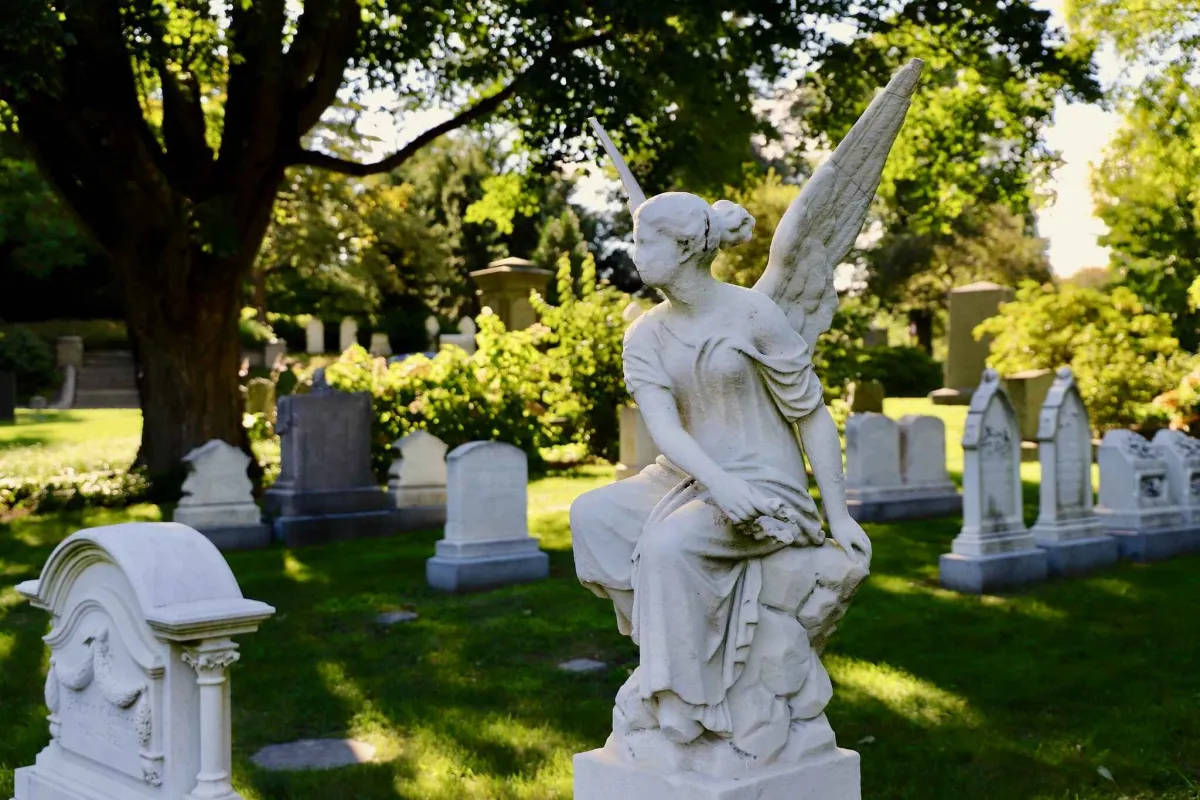 Photo: Mount Auburn Cemetery, via govisit.guide
These cemetery lawns weren't just practical – they were emotional. Grieving families began associating perfectly maintained grass with respect, dignity, and moral virtue. The lawn became a symbol of how much you cared about the people you'd lost.
From Graves to Suburbs: The Great Grass Migration
As American cities grew wealthier in the late 1800s, suburban developers noticed something interesting. The same families who insisted on grass lawns for their deceased relatives were starting to want them for their living spaces too.
Frederick Law Olmsted, the landscape architect who designed Central Park, began incorporating cemetery-style lawns into residential developments. He argued that grass lawns would bring the same sense of dignity and respectability to neighborhoods that they brought to graveyards.
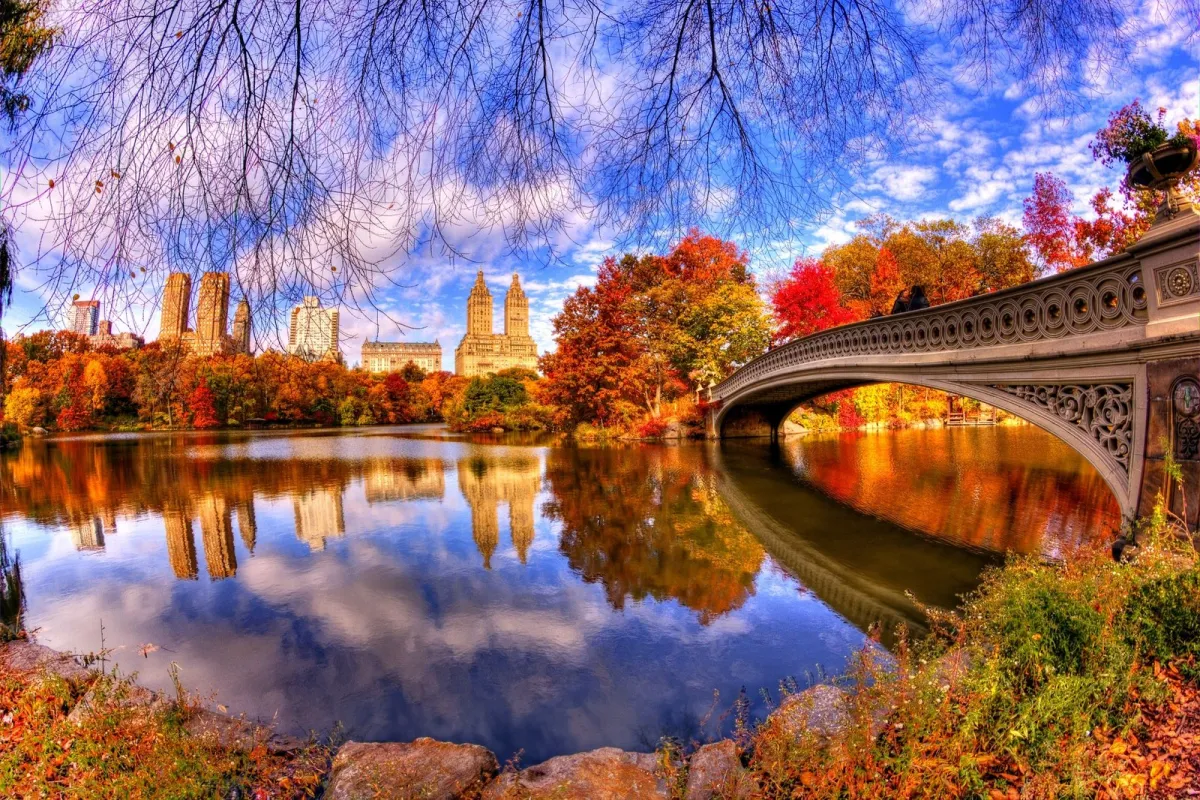 Photo: Central Park, via traveldigg.com
But it was the post-World War II suburban boom that really launched America's grass obsession. Developers like William Levitt, who built the famous Levittown communities, made front lawns standard in every new house. What had once been an aristocratic luxury became a middle-class expectation.
The Chemical Companies Cash In
Once Americans decided they needed perfect lawns, an entire industry emerged to help them achieve the impossible. Chemical companies that had produced explosives during World War II discovered they could repurpose their nitrogen-based compounds as lawn fertilizers.
Scotts Miracle-Gro, founded in 1868 as a seed company, transformed itself into a lawn care empire. Their marketing campaigns didn't just sell products – they sold anxiety. Advertisements warned homeowners that neighbors were judging them based on their grass. A brown lawn meant you were lazy, irresponsible, maybe even un-American.
The messaging worked because it tapped into something deeper than vanity. Just like those cemetery lawns, a perfect front yard became a way to signal that you cared about your family, your community, and your values. The grass wasn't just decoration – it was a moral statement.
The Suburban Arms Race
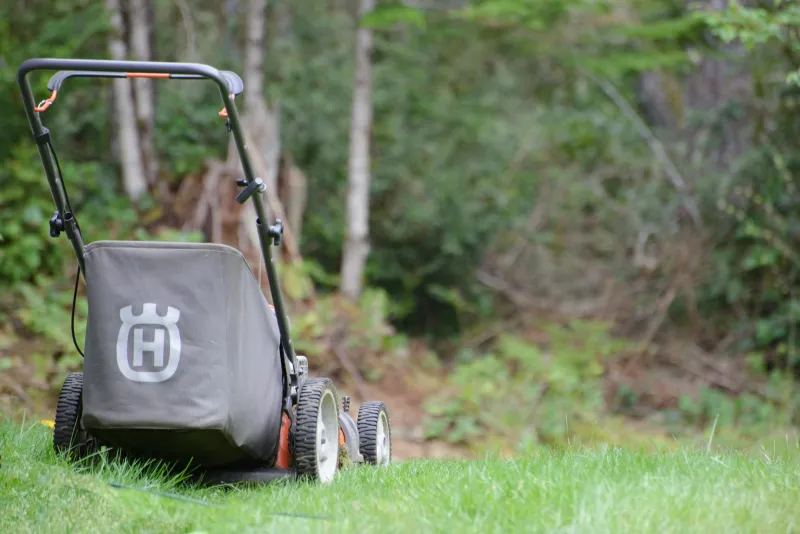
By the 1960s, lawn maintenance had become a competitive sport. Homeowners invested in increasingly sophisticated equipment: riding mowers, sprinkler systems, and arsenal of chemicals designed to eliminate any plant that wasn't grass. The average American lawn required more water, fertilizer, and pesticides per square foot than most agricultural crops.
The irony was staggering. Americans had abandoned the practical yards that fed their families in favor of decorative grass that consumed enormous resources while producing nothing useful. What their great-grandparents would have considered wasteful madness had become a suburban requirement.
Homeowners' associations began enforcing lawn standards with quasi-legal authority, issuing fines for grass that was too long, too short, or the wrong shade of green. The lawn had evolved from a personal choice into a community obligation.
The Hidden Costs of Grass Perfection
Today, Americans spend over $60 billion annually maintaining lawns that cover roughly 40 million acres – an area larger than the entire state of Georgia. We use more water irrigating grass than growing any food crop except corn and soybeans. Lawn mowers consume 800 million gallons of gasoline every year, producing as much pollution as 17 million cars.
The environmental impact is only part of the story. The real cost is psychological. Americans spend their weekends maintaining a landscape feature that serves no practical purpose, driven by social expectations that trace back to 19th-century funeral practices.
Yet the obsession persists because it's become embedded in our definition of responsible homeownership. A perfect lawn signals that you're a good neighbor, a responsible citizen, someone who takes pride in their community. It's a message that originated in cemeteries, was amplified by chemical companies, and now governs how millions of Americans spend their Saturday mornings.
The next time you're mowing your lawn, remember: you're participating in a ritual that began with how we wanted to honor the dead and ended with how we judge the living.