The Broken Phone Booth That Accidentally Invented America's Soundtrack
When Alexander Graham Bell's Vision Went Off Track
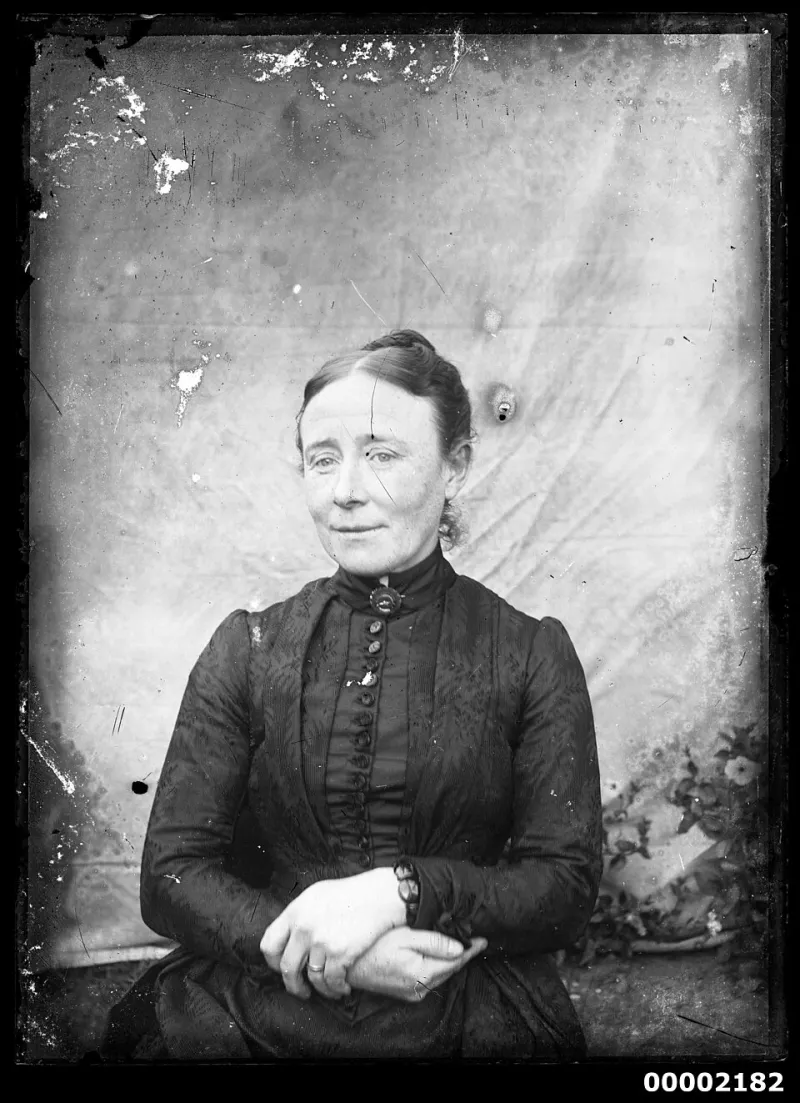
In 1889, Louis Glass stood in the Palais Royale Saloon in San Francisco, staring at his latest business failure. The coin-operated telephone he'd installed wasn't making money—customers would drop in their nickels, make brief calls, and leave. Glass needed a new plan for his expensive Edison phonograph, and fast.
 Photo: Louis Glass, via cdn.imslp.org
What happened next would accidentally create one of America's most enduring cultural institutions: the jukebox.
Glass's original idea seemed brilliant on paper. Why not let people pay to use a telephone booth equipped with Edison's new phonograph technology? Customers could make calls while listening to recorded music. But San Francisco's saloon patrons had other ideas. They ignored the telephone entirely and kept feeding coins into the machine just to hear the music.
The Accidental Discovery That Changed Everything
Within weeks, Glass realized his customers were telling him something important. They didn't want to make phone calls—they wanted to control what they heard. So he removed the telephone components entirely and installed four listening tubes connected to different recordings. For a nickel, customers could choose their entertainment.
The "nickel-in-the-slot" machine was born, though it wouldn't be called a "jukebox" for another forty years.
Glass's modified phonograph earned over $1,000 in its first six months—a fortune in 1889 dollars. Word spread quickly through America's entertainment districts. By 1891, similar machines appeared in saloons from New York to New Orleans, each offering customers something revolutionary: the power to choose their own soundtrack.
 Photo: New Orleans, via c8.alamy.com
From Saloon Curiosity to Cultural Force
The early machines were far from the glowing chrome beauties that would later define American diners. Glass's original contraption looked more like a wooden cabinet with brass tubes sticking out. Customers had to lean in and press tubes to their ears, sharing the intimate experience of hearing recorded music.
But entrepreneurs quickly saw the potential. The Automatic Phonograph Exhibition Company started manufacturing machines designed specifically for public spaces. They added amplifiers so entire rooms could hear the music, not just individual listeners. By 1910, these "automatic phonographs" had spread to restaurants, dance halls, and ice cream parlors across America.
The real revolution came in the 1920s, when Prohibition closed saloons but opened new opportunities. Speakeasies and soda fountains became the jukebox's new home, and manufacturers responded with machines that looked less like laboratory equipment and more like furniture designed to attract attention.
The Golden Age of Chrome and Neon
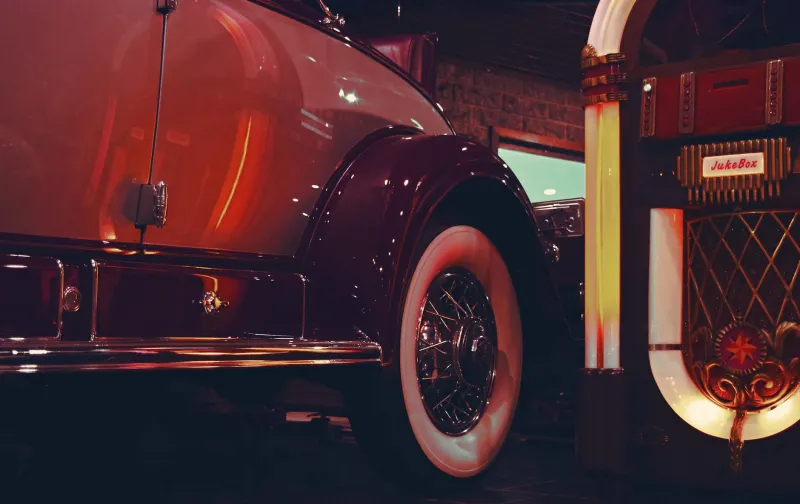
The 1930s transformed the jukebox from a curiosity into an icon. Companies like Wurlitzer and Rock-Ola began designing machines that were as much sculpture as technology. Chrome, colored glass, and eventually neon lighting turned jukeboxes into the glowing centerpieces of American social life.
These weren't just music players—they were democratic tastemakers. Unlike radio, which broadcast whatever stations decided, jukeboxes let ordinary Americans vote with their nickels. The most popular songs stayed in rotation; unpopular ones disappeared. Record companies quickly learned that jukebox success could make or break new artists.
By 1940, jukeboxes were consuming roughly 30 million records annually—more than half of all records produced in America. They had become the country's primary music discovery mechanism, decades before radio DJs or television variety shows shaped popular taste.
The Teenager's Best Friend
World War II rationed materials for civilian use, but jukebox manufacturers found ways to keep producing. The machines became gathering points for teenagers whose older siblings were overseas. Diners, drive-ins, and teen hangouts organized themselves around the jukebox's glow.
This was where rock and roll would find its first audience. When Bill Haley's "Rock Around the Clock" hit jukeboxes in 1954, teenagers across America could hear the new sound without waiting for conservative radio stations to catch up. The jukebox became rock and roll's secret weapon, spreading the music that parents didn't understand and radio wouldn't play.
The Algorithm Before Algorithms
Looking back, Glass's accidental invention created something remarkably sophisticated: America's first music recommendation system. Jukebox operators tracked which songs earned the most plays, creating detailed maps of local musical taste. They knew which neighborhoods preferred country, which wanted jazz, and which would pay to hear the latest pop hits.
This data-driven approach to music distribution wouldn't return until streaming services started tracking listening habits in the 2000s. The jukebox was essentially Spotify with chrome and coin slots, giving ordinary Americans the power to curate their own soundtrack sixty years before algorithms learned to do the same thing.
When the Music Stopped
The jukebox's golden age ended quietly. Television moved entertainment into living rooms. Portable radios let people carry music anywhere. By the 1960s, most jukeboxes had moved from mainstream restaurants to specialty bars and nostalgic diners.
But Glass's accidental discovery had already reshaped American culture. The idea that ordinary people should choose their own entertainment—rather than passively accepting whatever authorities provided—became fundamental to how Americans think about media, technology, and democracy itself.
Today's streaming playlists and recommendation engines are direct descendants of that broken telephone booth in San Francisco. The chrome and neon are gone, but the principle remains: in America, the people pick the soundtrack.