They Hated Their Own Menu. So They Burned It Down and Built Something America Had Never Seen Before.
When most people think about the origin of American fast food, they picture golden arches and a clown. But the real story starts earlier and stranger than that — with two brothers who were exhausted, annoyed at teenagers, and deeply skeptical that hamburgers were worth selling at all.
The Barbecue Stand That Wasn't Working
Richard and Maurice McDonald opened their first restaurant in Monrovia, California in 1937. It was a modest hot dog stand, the kind of roadside operation that dotted every California highway in that era. Business was decent enough that by 1940 they relocated to a bigger spot in San Bernardino and expanded the concept into a full drive-in with carhops — young women who took orders at car windows and delivered food on trays.
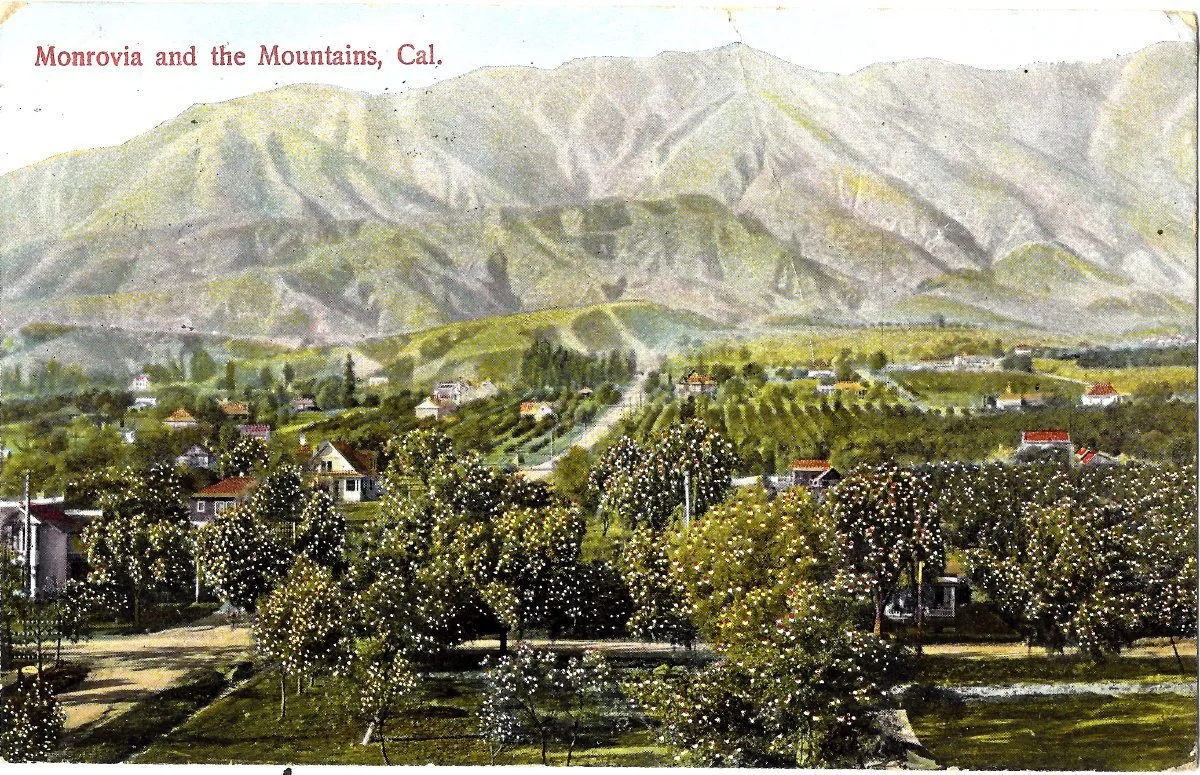 Photo: Monrovia, California, via s3.amazonaws.com
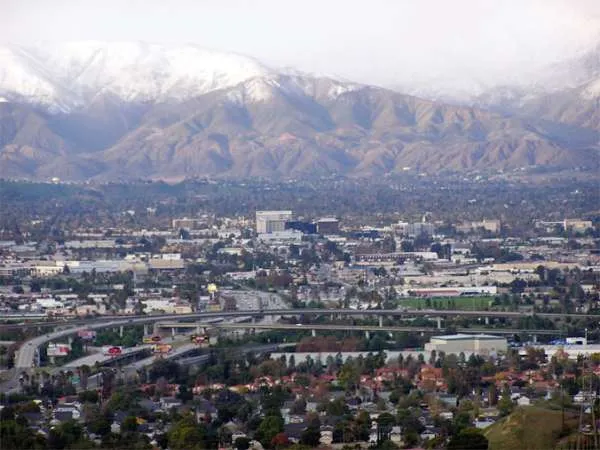 Photo: San Bernardino, via www.sanbernardino.gov
The menu was a sprawling 25-item production. Barbecue was the centerpiece: beef, pork, chicken, tamales. The brothers offered the full roadside experience, and for a while it worked. But as the 1940s wore on, Richard and Maurice started doing the math and didn't like what they found.
The carhops were expensive. They were also unreliable — turnover was constant, training was ongoing, and the whole operation depended on a rotating cast of teenagers who had better things to do than memorize a complicated menu. On top of that, the overwhelming majority of actual sales — roughly 80 percent — were coming from a single item: the hamburger.
The brothers had built an elaborate production around a supporting cast when the star was right there the whole time.
The Parking Lot Experiment
In the fall of 1948, Richard and Maurice did something almost no successful small business owner would consider: they shut down a restaurant that was making money and started over from scratch.
They dismissed their entire carhop staff. They stripped the menu down to nine items — hamburgers, cheeseburgers, soft drinks, milk, coffee, potato chips, and pie. They threw out every piece of flatware and glassware and switched to paper bags and wax wrappers. No trays, no dishes, no silverware to wash.
Then they redesigned the kitchen.
Richard sketched out the new layout in chalk on a tennis court, moving his employees around like chess pieces to find the most efficient arrangement. The idea was to treat hamburger production the way Henry Ford had treated car production: break every task into its smallest possible component, assign each component to a single person, and eliminate every unnecessary motion.
One person did nothing but put mustard and ketchup on buns. Another added onions. Someone else handled the patties. The assembly line produced a finished hamburger in seconds, consistently, without any single worker needing to understand the whole process or exercise any independent judgment.
They called it the Speedee Service System.
Burgers sold for 15 cents. No tipping, no waiting, no confusion.
What the Locals Thought
The first few weeks were rough. Regular customers showed up expecting their usual carhop experience and found a walk-up window and a stripped-down menu. A lot of them drove away. The brothers later admitted they weren't sure they'd survive the transition.
But then something shifted. Word spread about the price and the speed. Workers on lunch breaks discovered they could eat a full meal and be back at their desk in minutes. Families found out a hamburger that cost 15 cents tasted just as good as one that cost twice as much at a sit-down diner. Lines started forming. Then the lines got longer.
By the early 1950s, the San Bernardino location was generating more revenue than the brothers had ever seen. They weren't cooking food anymore — they were running a system.
The Man Who Saw the Whole Country in One Parking Lot
In 1954, a milkshake machine salesman named Ray Kroc pulled up to the McDonald brothers' San Bernardino location to figure out why one small hamburger stand needed eight of his machines.
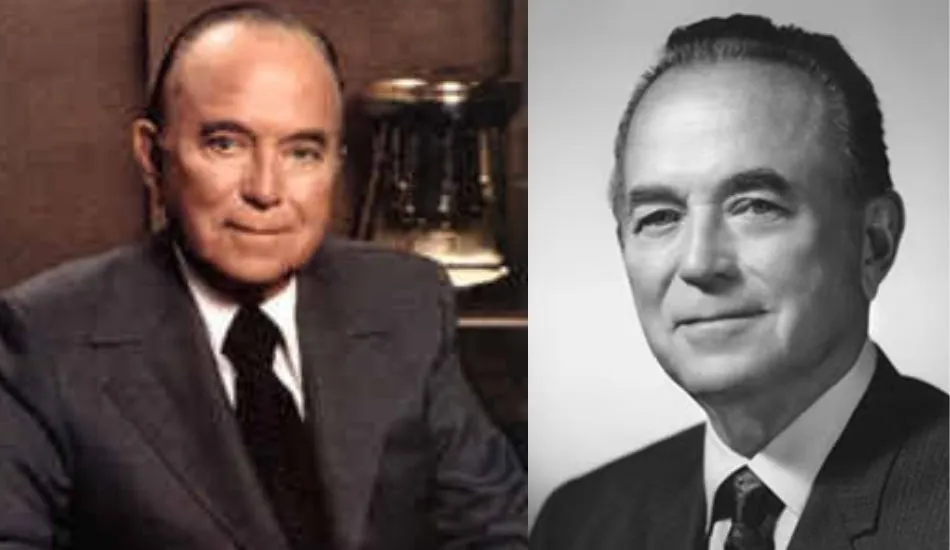 Photo: Ray Kroc, via fanzineblog.co.uk
What he saw stopped him cold. The line was long, the operation was frictionless, and the product was identical every single time. Kroc had spent decades selling equipment to restaurants across the country. He had never seen anything like this.
Kroc became the McDonald's franchise agent, and eventually bought the brothers out entirely for $2.7 million in 1961 — a transaction the brothers later felt was deeply unfair, given what the company became. That's a separate story. The point is that Kroc didn't invent the system. He recognized it.
The assembly-line kitchen, the stripped menu, the standardized product, the speed-over-experience tradeoff — every one of those principles came from two tired brothers in a San Bernardino parking lot who had simply run out of patience with the way restaurants were supposed to work.
The Blueprint That Didn't Belong to Anyone
Every fast food chain operating in America today — Burger King, Wendy's, Taco Bell, Chick-fil-A, Subway — is running a variation of the system Richard McDonald sketched in chalk on a tennis court. The specific menu items change. The branding changes. The core logic doesn't.
Prepare a limited menu. Standardize every component. Eliminate variables. Move customers through as fast as possible.
The McDonald brothers didn't set out to reshape American food culture. They were just trying to stop losing money on carhops and a barbecue menu nobody was ordering. The revolution was a side effect of frustration — which, when you think about it, is how most of the best American stories go.