The Health Nuts Who Accidentally Invented America's Breakfast

When Breakfast Was Actually Dinner
Imagine sitting down to breakfast in 1880s America. You'd likely find steak, fried eggs, potatoes, biscuits with gravy, maybe some leftover pie from dinner. Breakfast was a serious, stick-to-your-ribs affair designed to fuel a day of physical labor.
Then two eccentric brothers in Battle Creek, Michigan, decided this was all wrong. They believed heavy breakfasts were making Americans sick, immoral, and spiritually weak. Their solution? A accidentally-invented grain product that would completely reshape what Americans eat before 10 AM.
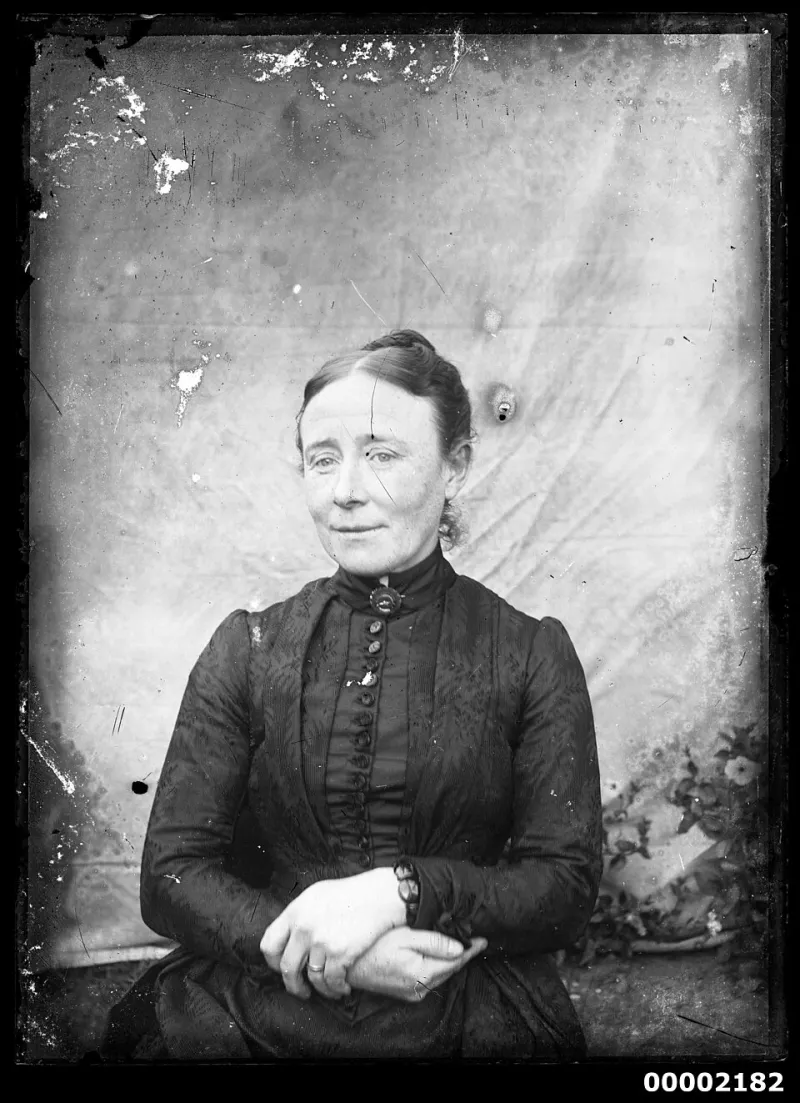
 Photo: Battle Creek, Michigan, via c8.alamy.com
The Sanitarium That Changed Everything
Dr. John Harvey Kellogg ran the Battle Creek Sanitarium, a health resort where wealthy Americans came to cure everything from indigestion to what Victorians politely called "moral weakness." Kellogg believed that diet was the key to physical and spiritual health, and he was convinced that heavy, meat-based meals were the root of most human problems.
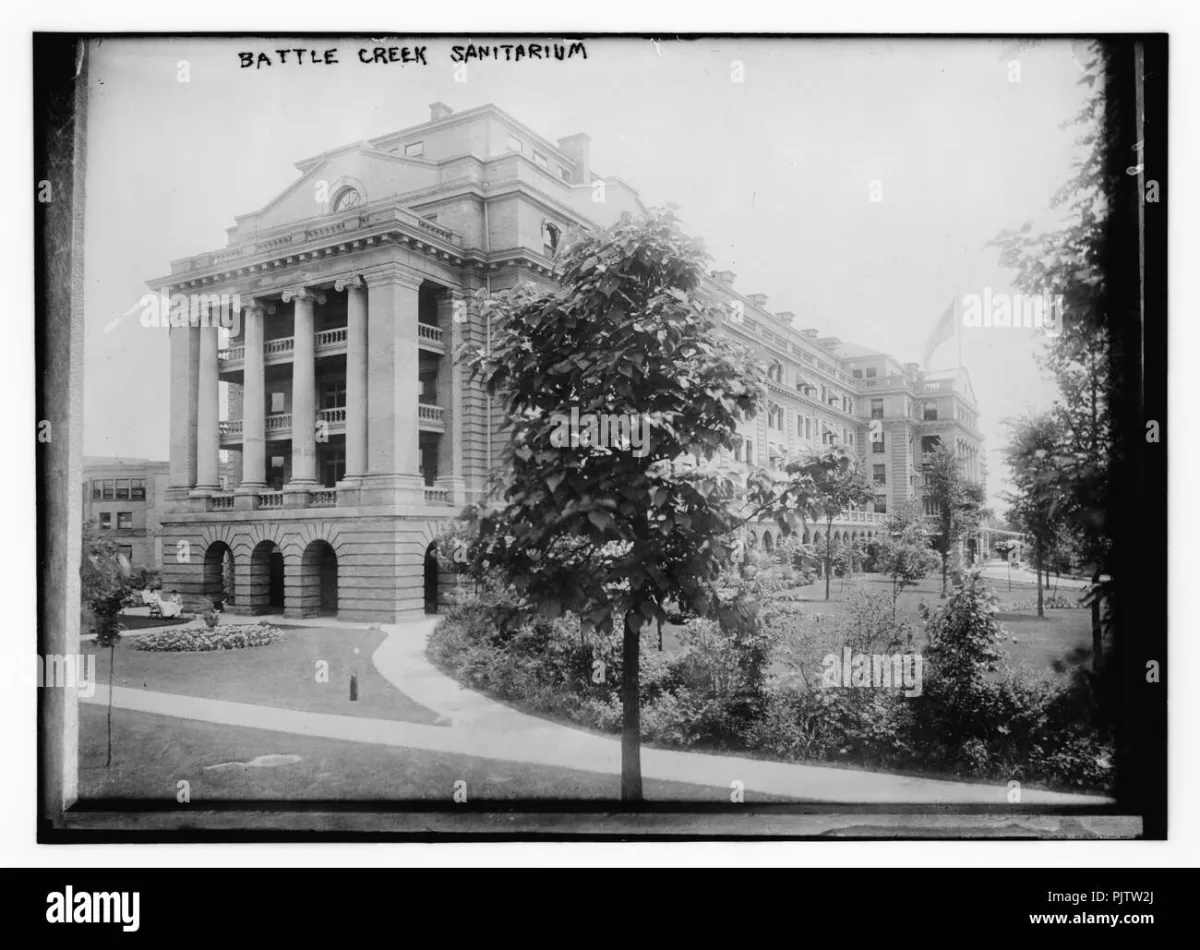 Photo: Battle Creek Sanitarium, via c8.alamy.com
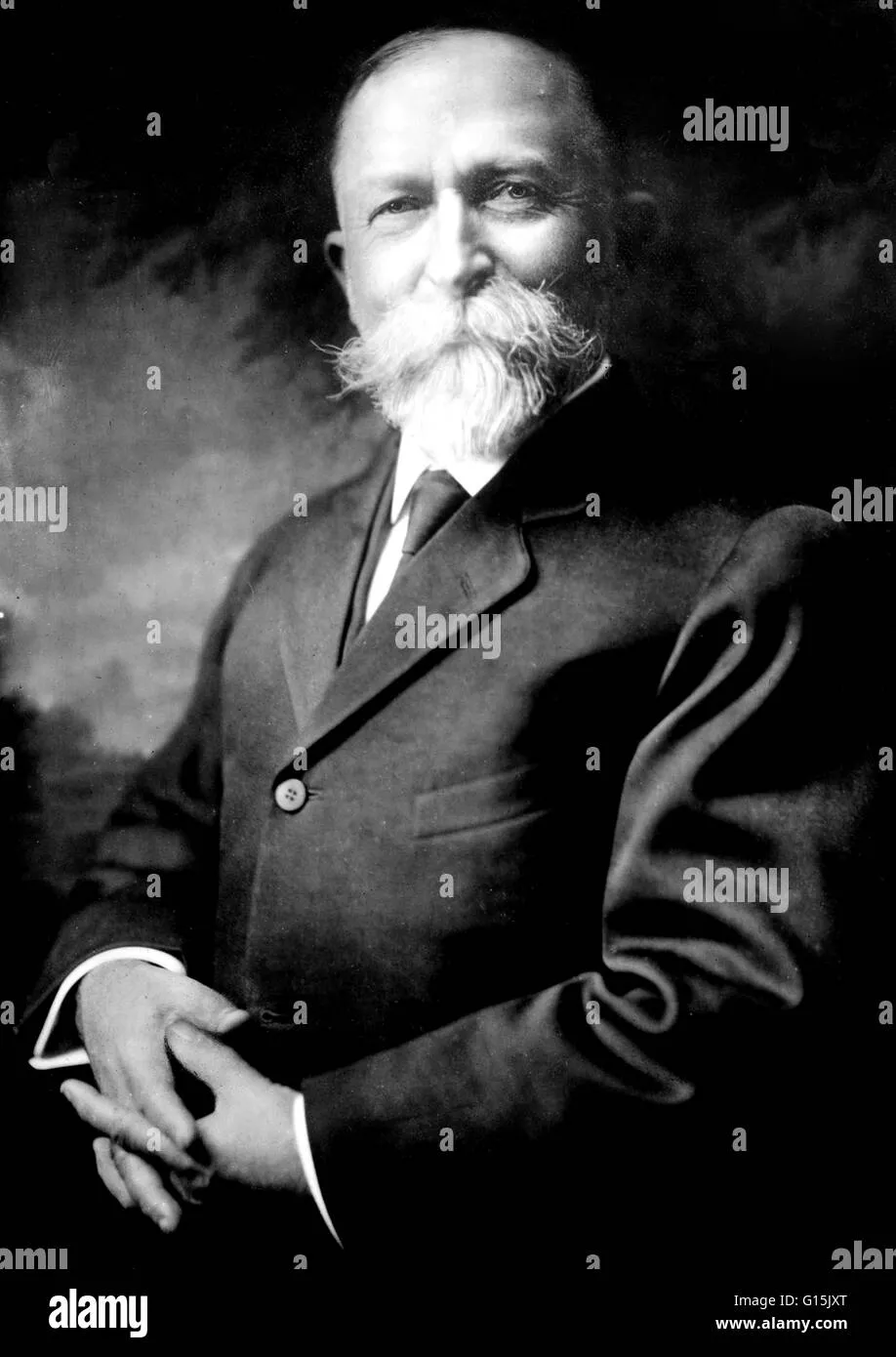 Photo: Dr. John Harvey Kellogg, via c8.alamy.com
Kellogg's prescribed treatments included cold baths, enemas, and a strict vegetarian diet. But his patients kept complaining about the bland, mushy grain porridges he served. They wanted something with more texture, something that didn't feel like punishment.
The Happy Accident That Started It All
In 1894, Dr. Kellogg and his brother Will were experimenting in the sanitarium kitchen, trying to create a more palatable grain-based food. They were boiling wheat when they got called away unexpectedly. When they returned hours later, the wheat had gone stale.
Most people would have thrown it out and started over. But the Kellogg brothers, either through frugality or curiosity, decided to run the stale wheat through rollers anyway. Instead of the usual mushy paste, the wheat came out as thin, crispy flakes.
They toasted the flakes until they were golden brown and served them to patients. To everyone's surprise, the patients loved them. The flakes were crunchy, had actual flavor, and didn't turn to mush when you added milk.
From Medical Treatment to Marketing Genius
Dr. Kellogg saw the flakes as a health food — a way to wean Americans off their heavy breakfast habits and onto something more "civilized." But his brother Will saw something else: a business opportunity.
Will Kellogg understood that most Americans weren't going to give up bacon and eggs just because a doctor told them to. But they might try something new if it was convenient, tasty, and marketed properly. He also realized that the flakes' long shelf life made them perfect for mass production and distribution.
In 1906, Will founded the Battle Creek Toasted Corn Flake Company (later renamed Kellogg's) and began marketing the flakes not as medicine, but as a delicious, convenient breakfast food. His timing was perfect.
The Perfect Storm for Cereal
Several factors made early 1900s America ready for breakfast cereal. Urbanization meant fewer people had time for elaborate morning meals. Women were entering the workforce and needed quick breakfast options. Improved transportation meant packaged foods could reach national markets.
Most importantly, Americans were becoming more health-conscious. The Pure Food and Drug Act of 1906 had people questioning what they ate. Cereal companies capitalized on this by marketing their products as "scientific" nutrition.
Will Kellogg spent heavily on advertising, using new mass marketing techniques to convince Americans that cereal wasn't just convenient — it was actually better for them than traditional breakfasts. He ran ads in national magazines claiming that corn flakes would improve digestion, increase energy, and even enhance moral character.
The Breakfast Wars Begin
Kellogg's success attracted competitors. C.W. Post, a former sanitarium patient, started his own cereal company in Battle Creek. Soon dozens of companies were producing breakfast cereals with names like Grape-Nuts, Shredded Wheat, and Puffed Rice.
Each company claimed their cereal had unique health benefits. Post's Grape-Nuts supposedly cured appendicitis. Quaker Oats promised to build strong bones. The marketing got so outrageous that the Federal Trade Commission eventually had to step in to regulate cereal health claims.
How Cereal Conquered America
By the 1920s, breakfast cereal had become a $100 million industry. Americans were eating more cereal than any other breakfast food. What started as a mistake in a Michigan sanitarium kitchen had fundamentally changed the American diet.
The success wasn't just about convenience or health claims. Cereal companies pioneered many modern marketing techniques still used today. They were among the first to use radio advertising, celebrity endorsements, and promotional giveaways. They sponsored children's radio shows and later TV programs, creating lifelong brand loyalty.
The Sweet Revolution
The next major shift came in the 1950s when cereal companies discovered that kids would choose their own breakfast if given the option. This led to sugar-coated cereals like Sugar Smacks and Frosted Flakes — a far cry from Dr. Kellogg's original health food vision.
Ironically, the man who invented cereal to cure America's unhealthy eating habits had created an industry that would eventually be criticized for contributing to childhood obesity and poor nutrition.
The Accidental Legacy
Today, Americans eat about 2.7 billion boxes of cereal every year. The average American consumes 160 bowls annually. What began as a kitchen accident at a health sanitarium is now a $20 billion industry.
Dr. Kellogg probably never imagined that his accidentally-invented grain flakes would become more popular than bacon and eggs. But his kitchen mistake didn't just create a new food category — it changed the entire rhythm of American mornings, turning breakfast from a time-consuming meal into a quick, convenient start to the day.
Every time you pour cereal into a bowl, you're participating in a tradition that started with two health-obsessed brothers who forgot about some wheat boiling on a stove in 1894.