The Ancient Fear That Made 'Bless You' America's Weirdest Reflex

The Reflex We Never Question
It happens dozens of times every day across America. Someone sneezes, and within seconds, someone else automatically says "bless you" or "God bless you." We do it in elevators with strangers, in quiet libraries, during important meetings. It's so deeply ingrained that NOT saying it feels rude.
But have you ever wondered why? Why do Americans feel compelled to invoke divine protection every time someone's nose tickles? The answer takes us through centuries of genuine human terror about what happens when you sneeze.
When People Thought Your Soul Could Escape
The oldest explanation for blessing sneezers goes back thousands of years to ancient civilizations that believed sneezing was dangerous — not because of germs, but because of souls.
Ancient Greeks and Romans thought that sneezing violently expelled part of your soul through your nose. They believed the soul was literally breath (the word "spirit" comes from the Latin "spiritus," meaning breath), so any sudden, forceful expulsion of air was risky business.
A blessing was supposed to protect the sneezer during this vulnerable moment when their soul was partially outside their body. It was also meant to help guide the escaped soul-fragment back where it belonged.
This wasn't just superstition to ancient people — it was life-or-death spiritual medicine.
The Medieval Heart Attack Theory
By medieval times, Europeans had developed an even more frightening theory about sneezing. They believed that sneezing caused your heart to momentarily stop beating.
This idea probably came from the fact that sneezing does briefly interrupt your breathing pattern, and people noticed that sneezes seemed to create a tiny pause in normal body rhythms. Medieval physicians, working with limited knowledge of how hearts actually function, concluded that this pause meant the heart had literally stopped.
Saying "God bless you" was essentially a prayer to restart the sneezer's heart and protect them during what people genuinely believed was a moment of clinical death.
When the Pope Made It Official
The practice got a major boost during one of history's deadliest pandemics. In 590 AD, bubonic plague was devastating Rome. Pope Gregory I noticed that people often sneezed right before dying of the plague.
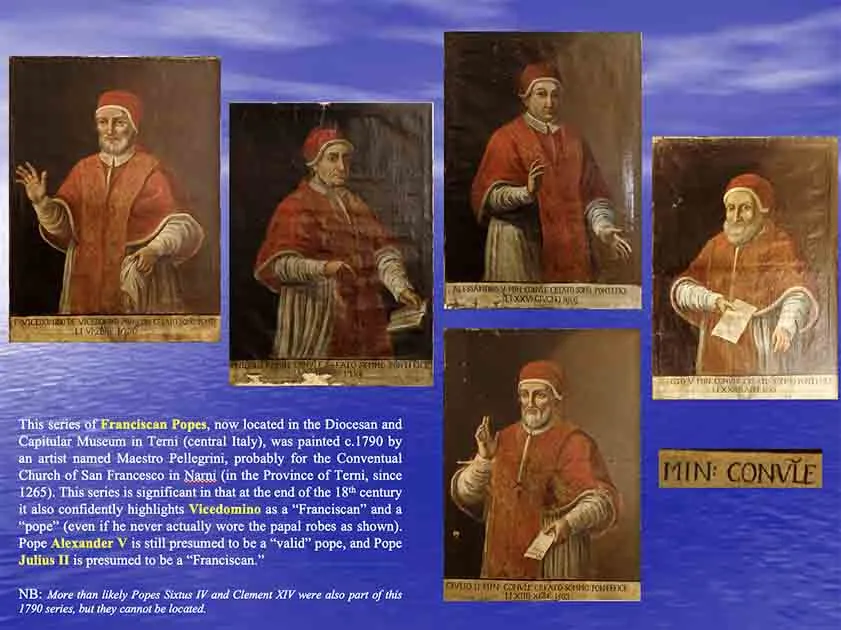 Photo: Pope Gregory I, via franciscanvoice.org
Actually, sneezing isn't a symptom of bubonic plague — but in a city where thousands were dying daily, any unusual behavior seemed like a potential death sign. The Pope issued an official decree that anyone who sneezed should immediately be blessed as protection against the plague.
Suddenly, blessing sneezers wasn't just folk practice — it was papal policy. The custom spread throughout Christian Europe and became deeply embedded in Western culture.
The Demon Door Theory
Medieval Europeans also believed that sneezing opened a temporary doorway in your body that demons could use to enter. The violent expulsion of air was thought to create a spiritual vacuum that evil spirits would rush to fill.
This theory was particularly popular during the Black Death, when people were desperately looking for explanations for why plague seemed to strike randomly. If demons were entering through sneezes, then blessing the sneezer might close that supernatural doorway before anything malicious got in.
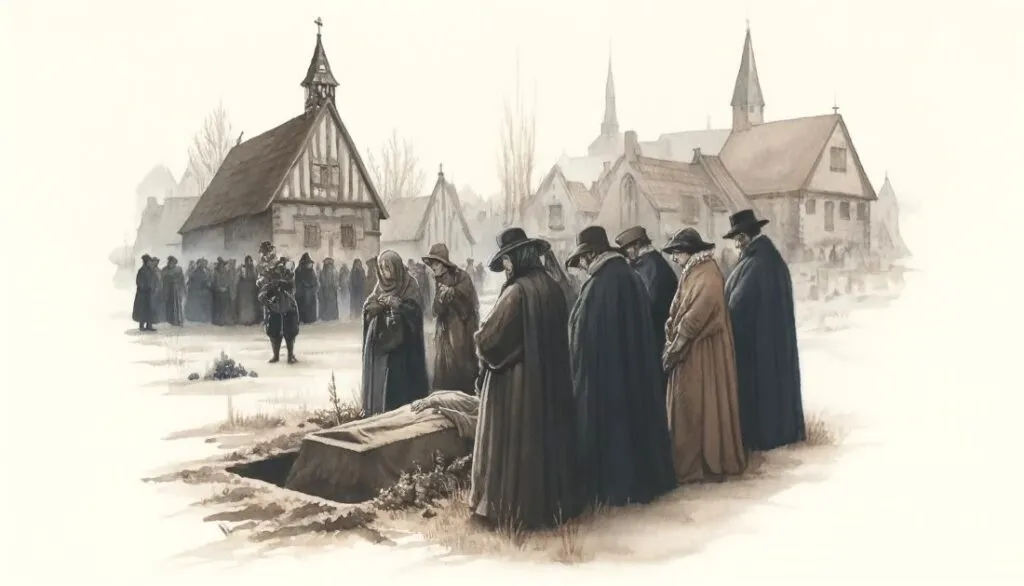 Photo: Black Death, via historychronicles.org
People took this seriously enough that they would cross themselves and say elaborate prayers after sneezing, not just quick blessings.
How America Inherited the Habit
European colonists brought sneeze-blessing customs to America, where they mixed with Native American spiritual practices and eventually became a standard part of American social etiquette.
By the 1800s, most Americans had forgotten the original supernatural reasons for blessing sneezers. The practice had evolved into simple politeness — something refined people did to show consideration for others.
Etiquette books of the era included detailed instructions on proper sneeze-blessing protocol. The blessed person was expected to say "thank you," and failing to bless a sneeze was considered almost as rude as not saying "please" or "thank you."
The Science That Changed Nothing
The discovery of germs in the late 1800s should have ended sneeze-blessing forever. Once people understood that sneezes spread disease through droplets rather than spiritual vulnerabilities, the whole practice should have seemed obsolete.
But Americans kept saying "bless you" anyway. The habit was too deeply ingrained to abandon just because the original reasoning had been disproven. Instead, people retrofitted new explanations: maybe the blessing was about wishing someone good health, or showing sympathy for their discomfort.
Regional Variations and Modern Mutations
Different parts of America developed their own sneeze-blessing traditions. Some regions say "gesundheit" (German for "health"), others stick with "God bless you," and some have shortened it to just "bless you" to avoid religious implications.
In recent decades, some Americans have started saying "salud" (Spanish for "health") or simply "health" in English. A few rebels have tried to eliminate the practice entirely, arguing that it's an outdated superstition with no place in modern life.
But these attempts to kill sneeze-blessing have largely failed. The reflex is too automatic, too socially expected.
Why We Still Can't Stop
Today's Americans don't believe that sneezing expels souls or stops hearts. We understand germ theory and know that a simple "bless you" won't prevent disease transmission. Yet we keep doing it anyway.
Psychologists suggest that sneeze-blessing persists because it serves important social functions that have nothing to do with the original supernatural beliefs. It's a way of acknowledging someone's temporary discomfort, showing that we notice and care about their wellbeing, and maintaining social connection through small rituals.
The practice also demonstrates how deeply cultural habits can embed themselves in society. Even when the original reasoning disappears completely, the behavior can survive for centuries simply because it feels normal and expected.
The Reflex That Reveals Us
Every time you automatically say "bless you" after someone sneezes, you're participating in a ritual that connects you to medieval plague victims, ancient Roman soul-believers, and papal decrees from 1,400 years ago.
It's one of the clearest examples of how modern American behavior carries forward ancient fears and beliefs, even when we've completely forgotten what those fears were about. We're still protecting each other from demons and escaped souls — we just don't realize it anymore.
The next time someone sneezes near you, remember: your automatic "bless you" isn't just politeness. It's a tiny piece of human history, a leftover reflex from when people genuinely believed that sneezes could kill you.