The 62-Day Road Trip From Hell That Built America's Interstate System
The Journey Nobody Asked For
Picture this: It's 1919, and you're tasked with driving a convoy of military vehicles from Washington D.C. to San Francisco. How long could it possibly take? A week? Maybe two?
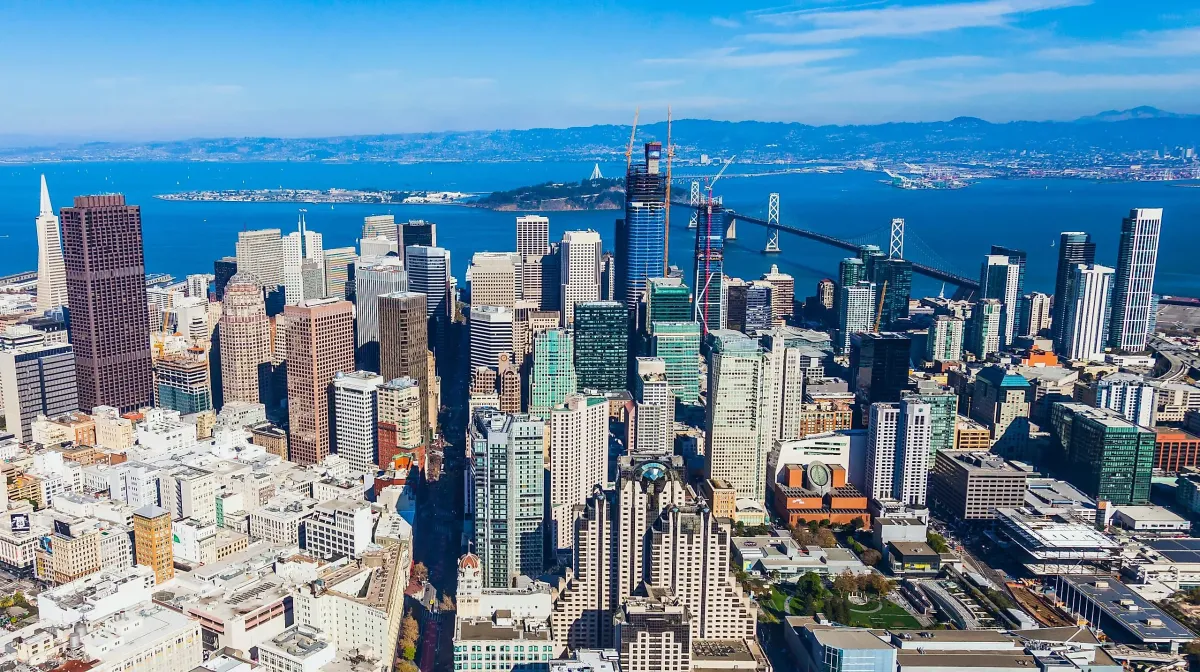 Photo: San Francisco, via www.worldatlas.com
Try 62 days.
That's exactly how long it took Lieutenant Colonel Dwight D. Eisenhower and the U.S. Army's First Transcontinental Motor Convoy to crawl across America in the summer of 1919. What was supposed to be a publicity stunt to showcase American military might turned into a grueling odyssey through America's embarrassingly primitive road system.
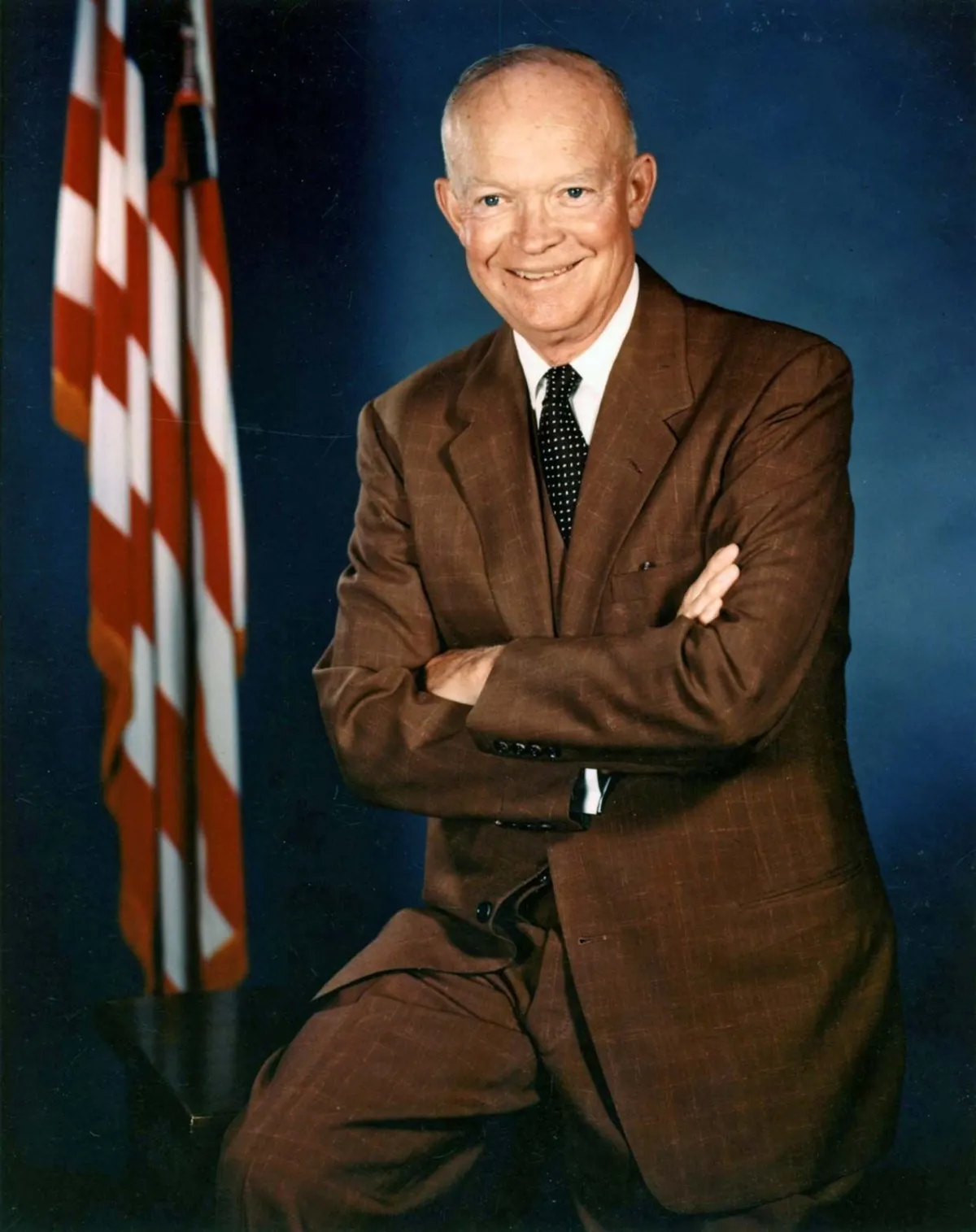 Photo: Dwight D. Eisenhower, via cdn.britannica.com
When Roads Were Really Just Suggestions
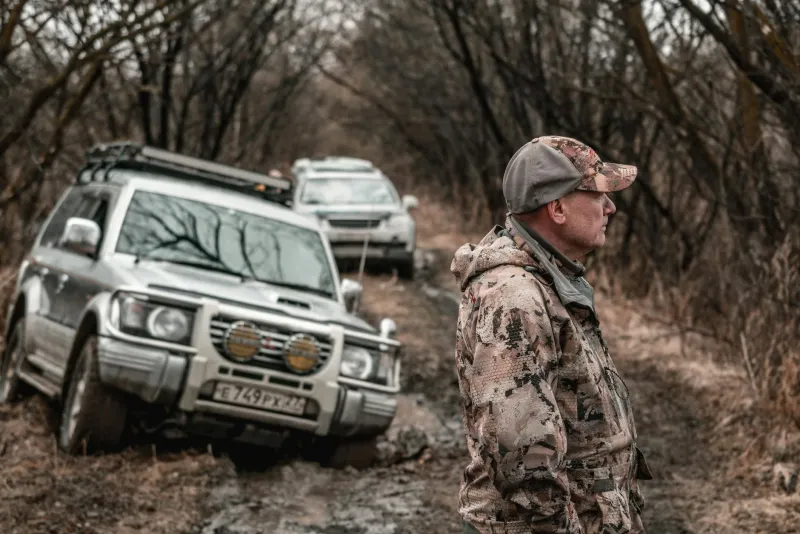
The convoy consisted of 81 vehicles — trucks, ambulances, motorcycles, and support vehicles — carrying 280 men across 3,200 miles of what generously passed for roads. On a good day, they managed 50 miles. On bad days, they were lucky to make 10.
The roads outside major cities were essentially dirt paths that turned into impassable mud whenever it rained. Bridges collapsed under the weight of military trucks. Vehicles got stuck so deep in mud that it took hours to dig them out. Some stretches had no roads at all — just wagon trails that hadn't been improved since the pioneer days.
Eisenhower later wrote that the convoy "started me thinking about good, two-lane highways." That was putting it mildly. The future president was witnessing firsthand how America's lack of decent roads was a national security disaster waiting to happen.
The German Lesson
Fast forward to World War II. General Eisenhower is commanding Allied forces in Europe, and he's getting a close look at Germany's autobahn system — the world's first network of high-speed, limited-access highways. The Germans had built these roads in the 1930s, and Eisenhower could see how they revolutionized military movement and logistics.
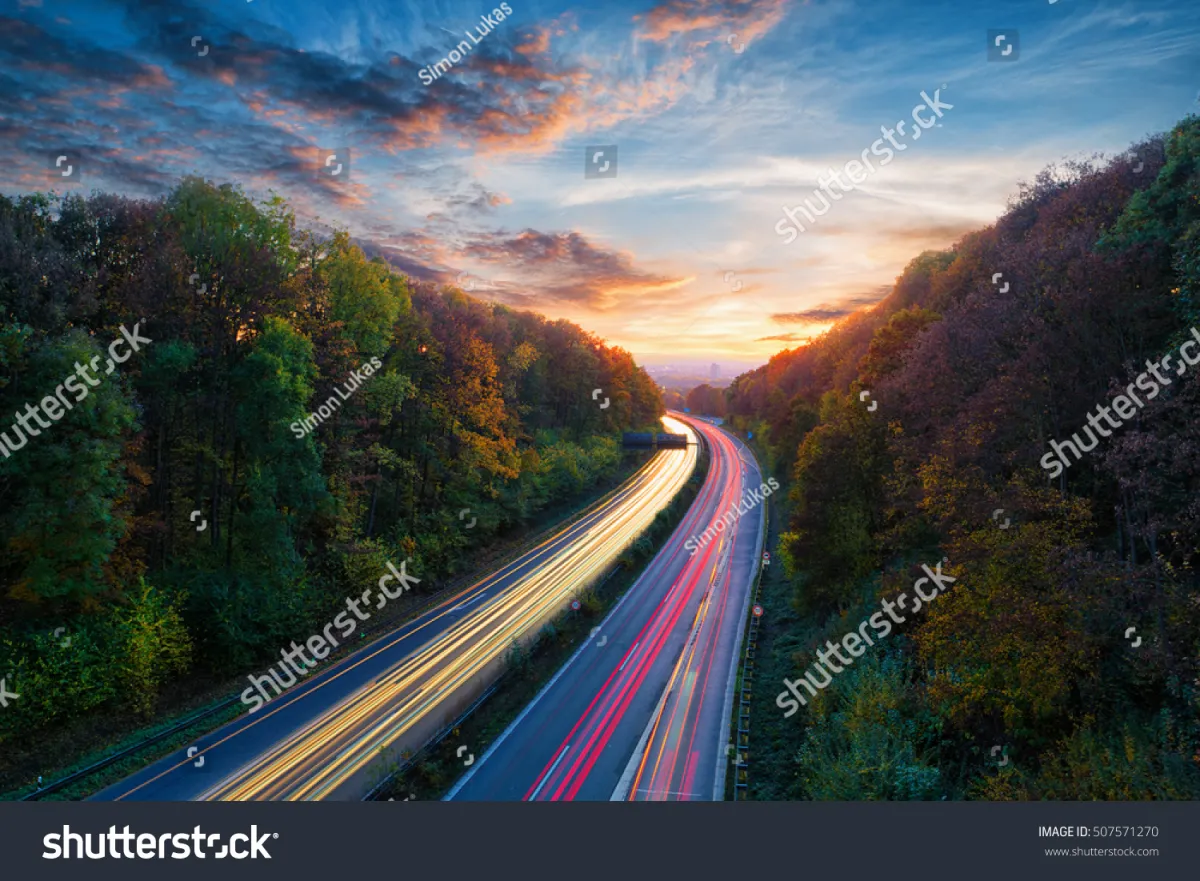 Photo: Germany's autobahn, via www.shutterstock.com
While American forces struggled to move equipment through European countryside on narrow, winding roads, the Germans could rapidly deploy troops and supplies across their territory using their modern highway system. It was a strategic advantage that hadn't gone unnoticed.
Eisenhower filed this observation away, along with his memories of that miserable 1919 convoy.
From Memory to National Policy
When Eisenhower became president in 1953, America was experiencing unprecedented prosperity and suburban growth. But the country was still connected by a patchwork of local roads, many barely improved since his cross-country nightmare 34 years earlier.
The Cold War was heating up, and Eisenhower knew that America needed to be able to move military equipment and evacuate civilians quickly in case of nuclear attack. He also understood that better highways would boost the economy by making it easier to transport goods and allowing people to live farther from their jobs.
The System That Changed Everything
In 1956, Eisenhower signed the Federal Aid Highway Act, authorizing the construction of 41,000 miles of interstate highways — the largest public works project in American history. The official name was the National Interstate and Defense Highways Act, making clear that this wasn't just about convenience. It was about national security.
The project took 35 years to complete and cost $114 billion (about $500 billion in today's money). But it fundamentally transformed how Americans live, work, and travel. Suddenly, you could drive from New York to Los Angeles on smooth, divided highways without encountering a single traffic light.
The Unintended Revolution
The interstate system did exactly what Eisenhower intended — it made America more secure and economically competitive. But it also triggered changes he never anticipated.
Suburban sprawl exploded as people could live dozens of miles from their jobs and still commute easily. Small towns bypassed by interstates withered while communities near highway interchanges boomed. The trucking industry grew exponentially, fundamentally changing how goods moved around the country.
Fast food chains like McDonald's expanded rapidly along interstate corridors. The family road trip became an American institution. Even the shape of American cities changed as developers built shopping malls and office parks designed around highway access rather than walkable neighborhoods.
The Road From There to Here
Today, Americans drive more than 3 trillion miles per year on the interstate system. The highways that began as a response to one man's frustrating road trip have become so fundamental to American life that it's hard to imagine the country without them.
Every time you hop on I-95 or I-10 or any other interstate, you're using infrastructure that exists because a young Army officer once spent two months getting his convoy stuck in mud holes across America. Eisenhower's miserable summer of 1919 planted the seed for the roads that now connect every corner of the United States.
Sometimes the most transformative ideas come from the most frustrating experiences. In Eisenhower's case, 62 days of terrible roads eventually gave America the highway system that defined the second half of the 20th century.