The Flower Business Got Its Start in the Funeral Trade — And Never Really Left
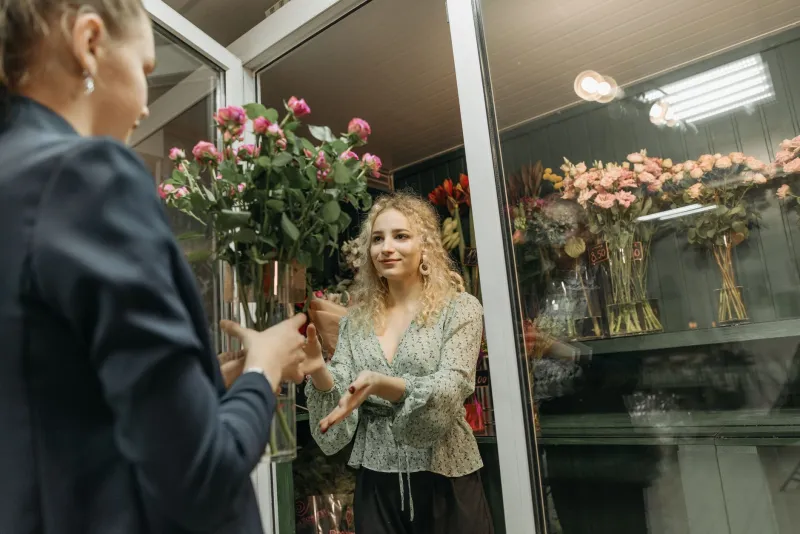
Somewhere in America right now, someone is ordering flowers online for a reason they consider deeply romantic. A birthday. An anniversary. A first date apology. They'll click through a website, choose an arrangement with a name like Radiant Sunrise or Timeless Elegance, and feel pretty good about themselves.
They almost certainly don't know that the infrastructure making that delivery possible was built by undertakers.
The Problem Nobody Talks About at Funerals
In the late 1800s and early 1900s, flowers were already a fixture at American funerals. Elaborate floral arrangements communicated grief, status, and respect in ways that words often couldn't. The problem was logistics. When someone died, mourners from across the country wanted to send arrangements to the service — but flowers are perishable, shipping was slow and unreliable, and refrigeration technology was still decades away from being practical for this kind of use.
The result was a constant, embarrassing failure. Flowers arrived wilted, late, or not at all. Florists in one city had no reliable way to coordinate with florists in another. A grieving family in Chicago might receive half the tributes intended for them, while the other half rotted in transit somewhere in Ohio.
This wasn't just a sentimental problem. It was a business problem. Florists were losing revenue, customers were losing money, and the whole category of sympathy flowers was functioning far below its potential.
Something had to change.
Fifteen Florists in a Hotel Room
In August 1910, fifteen florists gathered at the Statler Hotel in Buffalo, New York, during the Society of American Florists convention. Their goal was simple and practical: create a system that would let a florist in one city take an order and have it fulfilled by a trusted florist in another city, with payment handled reliably between the two parties.
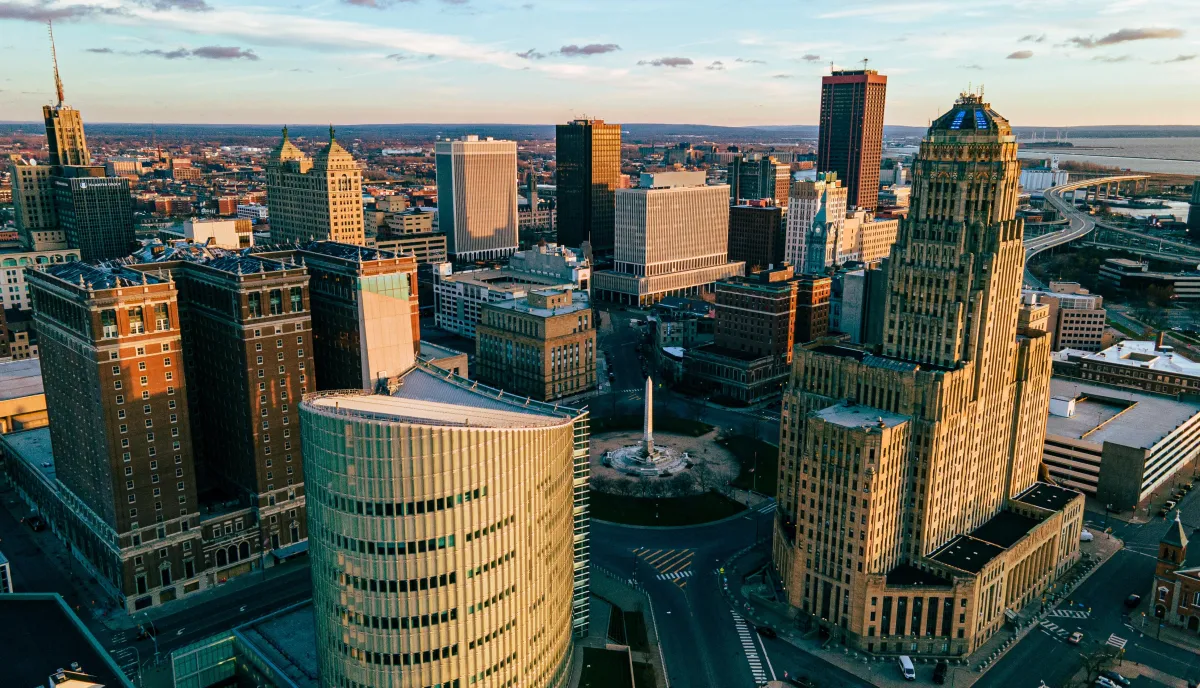 Photo: Buffalo, New York, via wallpaperaccess.com
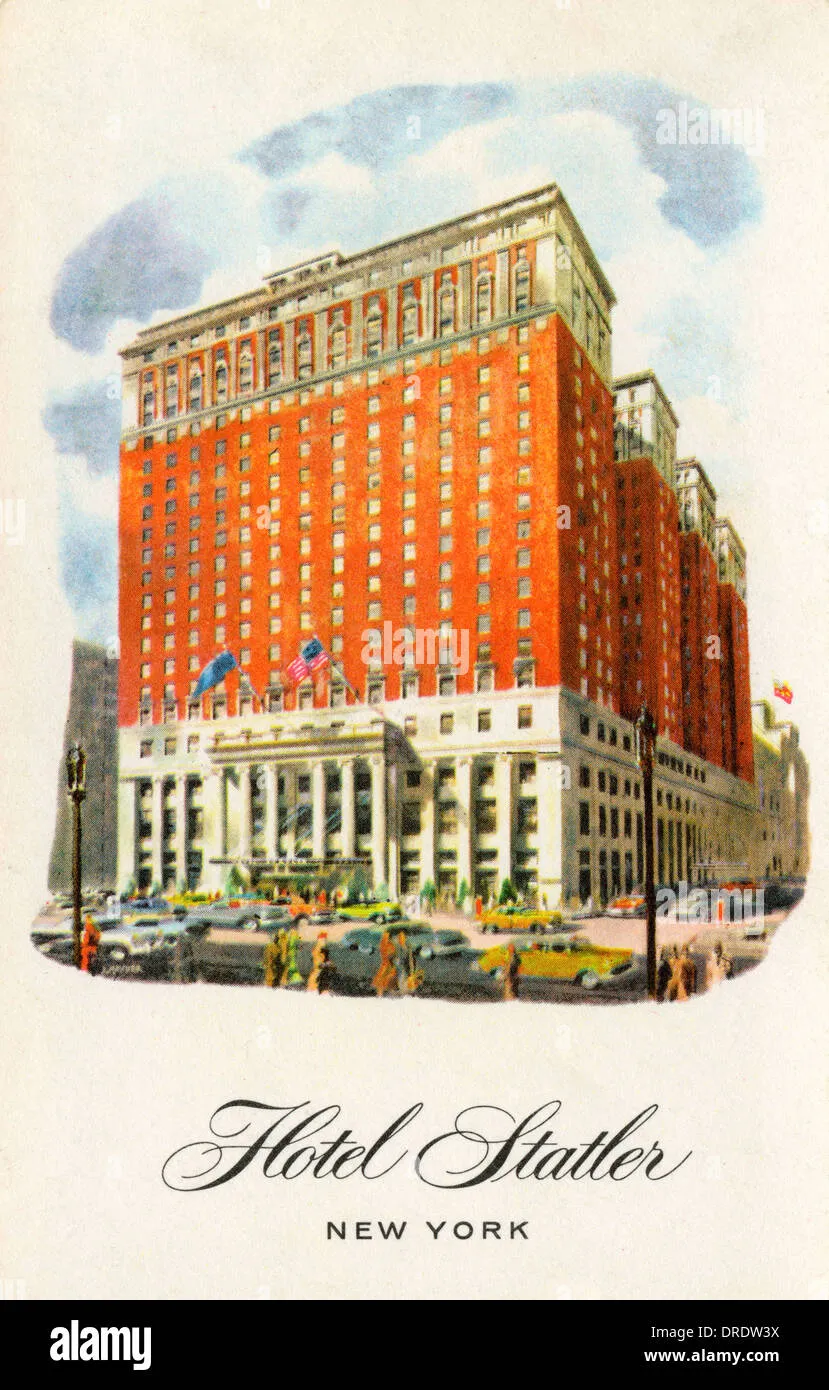 Photo: Statler Hotel, via c8.alamy.com
They called the organization Florists' Telegraph Delivery — FTD — and the concept was almost aggressively straightforward. A customer walks into a florist in Boston, orders flowers to be delivered in Denver, pays the Boston florist, who then telegraphs the order to a member florist in Denver, who fulfills it locally and keeps a portion of the fee. No wilted cross-country shipping. No unreliable transit. Fresh flowers, delivered locally, coordinated nationally.
The telegraph made it possible. The funeral industry made it necessary.
FTD's early growth was driven almost entirely by sympathy orders. The network expanded because florists recognized that membership meant access to a steady, reliable stream of funeral-related business from other cities. By 1914, the organization had hundreds of members. By the 1920s, it had thousands.
The Holiday Pivot That Changed Everything
For its first decade or so, FTD was largely a death-adjacent business. Then the organization's leadership made a calculated decision to expand into celebration occasions — particularly Mother's Day, which had been designated a national holiday in 1914, and Valentine's Day, which florists had been trying to turn into a floral occasion for years with limited success.
 Photo: Mother's Day, via www.granthamjournal.co.uk
The timing was right. American consumer culture was accelerating through the 1920s, and the idea that love and appreciation should be expressed through purchased goods was becoming normalized in ways it hadn't been a generation earlier. FTD's national network gave florists the ability to market nationally while delivering locally — a combination that no other gifting category could match at the time.
Mother's Day became the industry's single biggest sales event almost immediately. Valentine's Day followed. The transformation from funeral logistics network to romantic gesture infrastructure happened gradually but completely, until the original purpose was almost invisible beneath the new one.
Mercury and the Making of a Symbol
In 1914, FTD adopted the image of Mercury — the winged Roman messenger god — as its symbol. The choice was deliberate: speed, reliability, and the crossing of distances. It appeared on storefronts, delivery vehicles, and eventually became one of the most recognized logos in American retail.
The Mercury symbol also did something subtler. It repositioned the FTD network from a trade logistics system into something that felt personal and expressive. You weren't using a commercial relay network to send flowers. You were sending a message, carried by something mythological and swift. The branding was doing a lot of emotional work.
This kind of reframing — taking something functional and making it feel meaningful — is a recurring move in American consumer culture. FTD did it early and did it well.
Thirteen Billion Dollars of Inherited Infrastructure
Today, Americans spend roughly $13 billion on cut flowers annually. The industry has been transformed by online ordering, global supply chains, and farms in Colombia and the Netherlands that supply a significant portion of what gets sold in U.S. flower shops. FTD itself has gone through multiple ownership changes and corporate restructurings, competing with 1-800-Flowers and a wave of direct-to-consumer startups.
But the basic model — take an order here, fulfill it there, split the revenue — is still the skeleton beneath all of it. Every time someone sends flowers for Valentine's Day or Mother's Day through any major floral network, they're using an infrastructure that was built to solve a Victorian-era funeral problem.
The flowers are different. The occasions are different. The feeling of sending them is entirely different.
The bones, though, are the same bones.
Somewhere in that history, there's probably a metaphor about grief and celebration being closer together than we like to admit. But mostly it's just a good story about fifteen florists in a hotel room who figured out something that stuck.