Stuck at 35 MPH: How World War II's Rubber Crisis Accidentally Built American Road Trip Culture
Every summer, millions of American families load up the car, argue about the playlist, and point themselves toward somewhere they've never been. The road trip is as American as anything — a ritual of motion, independence, and the particular joy of watching the landscape change through a windshield. It feels like something that was always here.
But like most things that feel inevitable, it has a specific origin. And that origin runs directly through one of the strangest domestic crises of World War II: the great rubber shortage of 1942.
When America Ran Out of Rubber
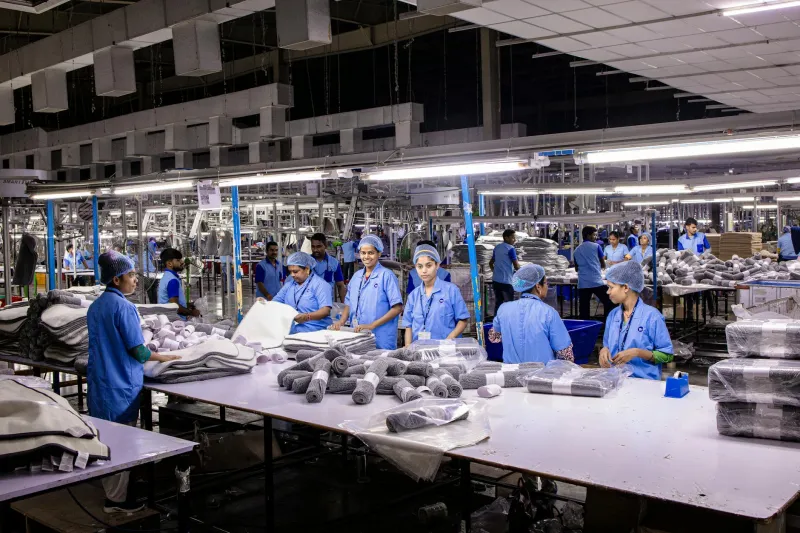
In the months following the attack on Pearl Harbor, the United States found itself facing a problem that had nothing to do with battlefields. Japan's rapid advance through Southeast Asia had cut off American access to 90 percent of its natural rubber supply — the same rubber that went into tires, gas masks, boots, and hundreds of military essentials.
Synthetic rubber existed, but production couldn't scale fast enough to meet wartime demand. The government faced a stark choice: ration what was available, or watch the war effort grind to a halt.
The response was immediate and sweeping. Tire rationing began in January 1942 — one of the first consumer goods to be restricted. Civilians were limited to the tires already on their vehicles, with replacements available only through a rationing board that required proof of essential need. Hoarding rubber goods became a federal offense. Scrap rubber drives swept the country, with Americans donating garden hoses, rubber gloves, and floor mats to the collection effort.
And then came the speed limit.
35 Miles Per Hour, Nationwide
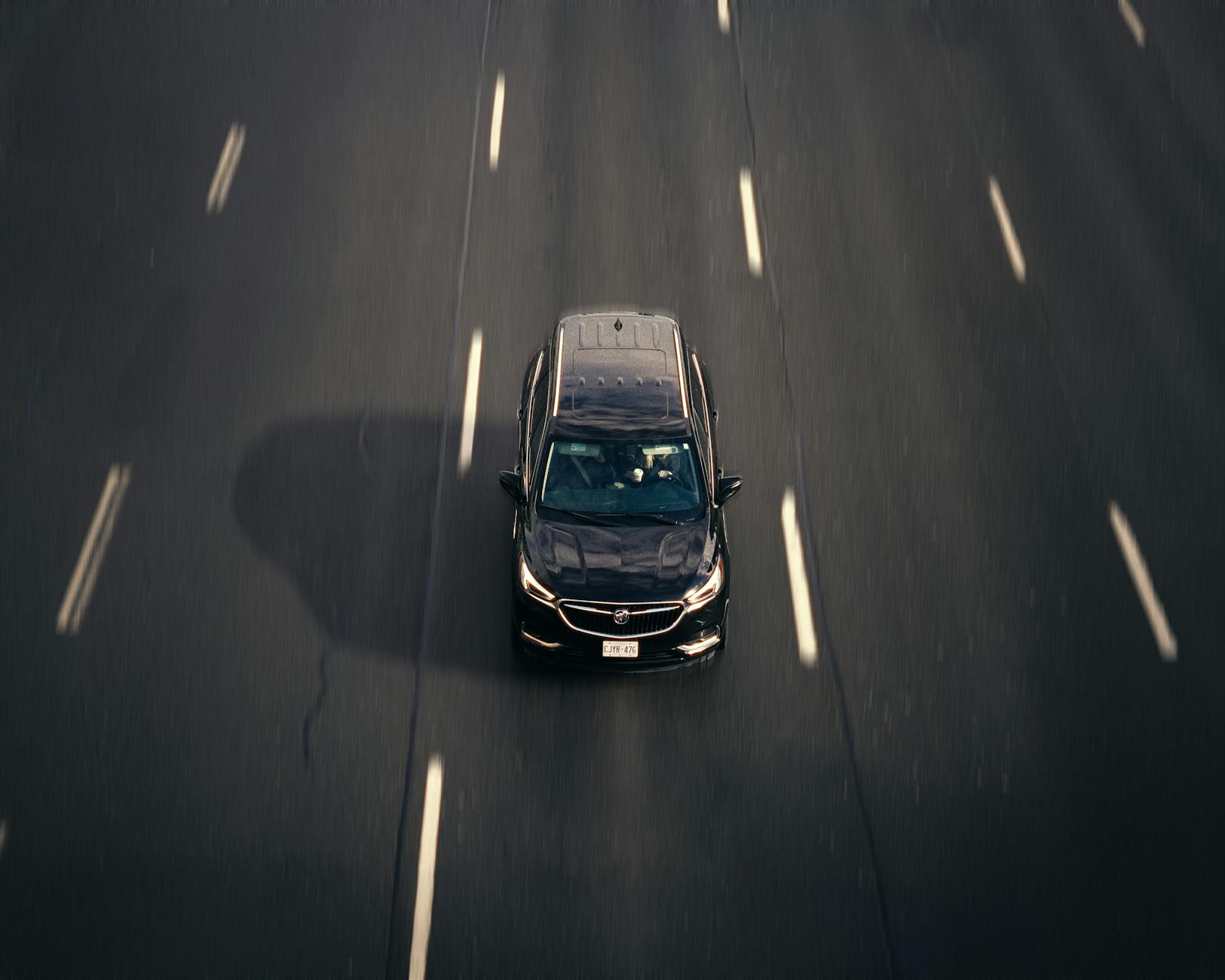
In an effort to slow tire wear, the federal government imposed a national "Victory Speed" of 35 miles per hour. It applied everywhere, on every road, for every driver. The logic was straightforward: faster speeds degraded tires more quickly, so slower speeds would extend the life of every tire on every vehicle in the country.
Gasoline rationing compounded the effect. Civilian drivers in non-essential categories were limited to just three gallons per week — enough for roughly 60 miles of driving. Even if you had a working car and intact tires, you weren't going anywhere meaningful.
For a country that had spent the 1920s and 1930s falling in love with automobile culture — with Sunday drives, with the expanding network of paved roads, with the freedom that a car represented — this was a profound psychological shift. Americans didn't just lose mobility. They lost a piece of the national identity that had only recently been constructed around it.
The Pressure Builds
For three years, the country waited. Families stayed close to home. Vacations shrank to whatever was reachable on minimal fuel. The tourism industry, which had been booming through the late 1930s, went quiet. Roadside businesses — the diners, motor courts, and curio shops that had sprung up along major routes — struggled or closed.
But that enforced stillness was doing something else at the same time. It was building pressure.
By the time the war ended in 1945, Americans were ready to move. The pent-up desire for travel, combined with a postwar economic boom that put real money in people's pockets for the first time in years, created an explosion of automotive culture that remade the country's landscape in less than a decade.
Car ownership surged. The Big Three automakers, retooled from wartime production, flooded the market with new models designed for comfort and distance. And Americans drove — not just to work or to the grocery store, but for the sheer experience of being somewhere else.
The Infrastructure That Followed the Appetite
The road trip boom didn't happen in a vacuum. It reshaped entire industries almost immediately.
The motel industry — a relatively new concept before the war — expanded dramatically in the late 1940s and 1950s to meet the demand of travelers who needed somewhere to sleep between destinations. The term "motel" itself, a portmanteau of "motor" and "hotel," had only entered common usage in the 1930s. By the mid-1950s, there were thousands of them lining American highways, each one a small piece of the new road trip infrastructure.
Roadside diners multiplied along the same routes. Drive-in restaurants, drive-in movie theaters, and drive-in banks all reflected a culture that had decided the car wasn't just transportation — it was a lifestyle. The vehicle became an extension of the home, a mobile living room with an engine.
Route 66, which had existed since 1926 but sat largely dormant during the war years, became the symbolic spine of American road trip mythology in the postwar period. John Steinbeck had called it "the Mother Road" in The Grapes of Wrath, but it was the postwar travelers — families heading west, veterans starting over, young people chasing something they couldn't name — who turned it into a legend.
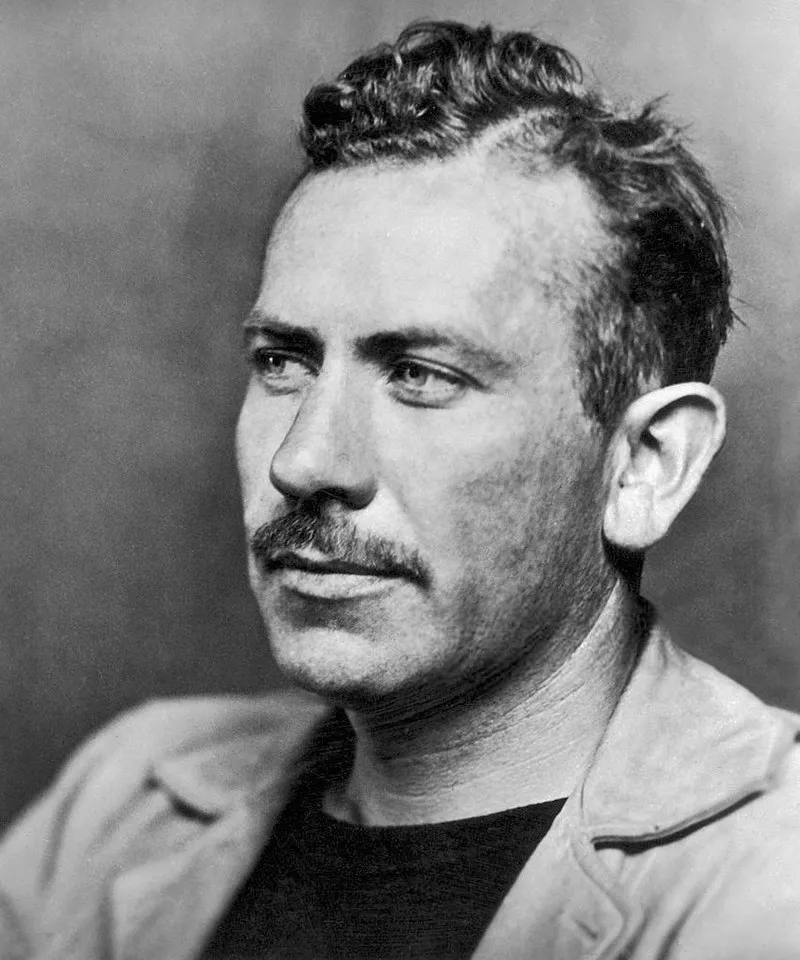 Photo of John Steinbeck, via Wikidata/Wikimedia Commons
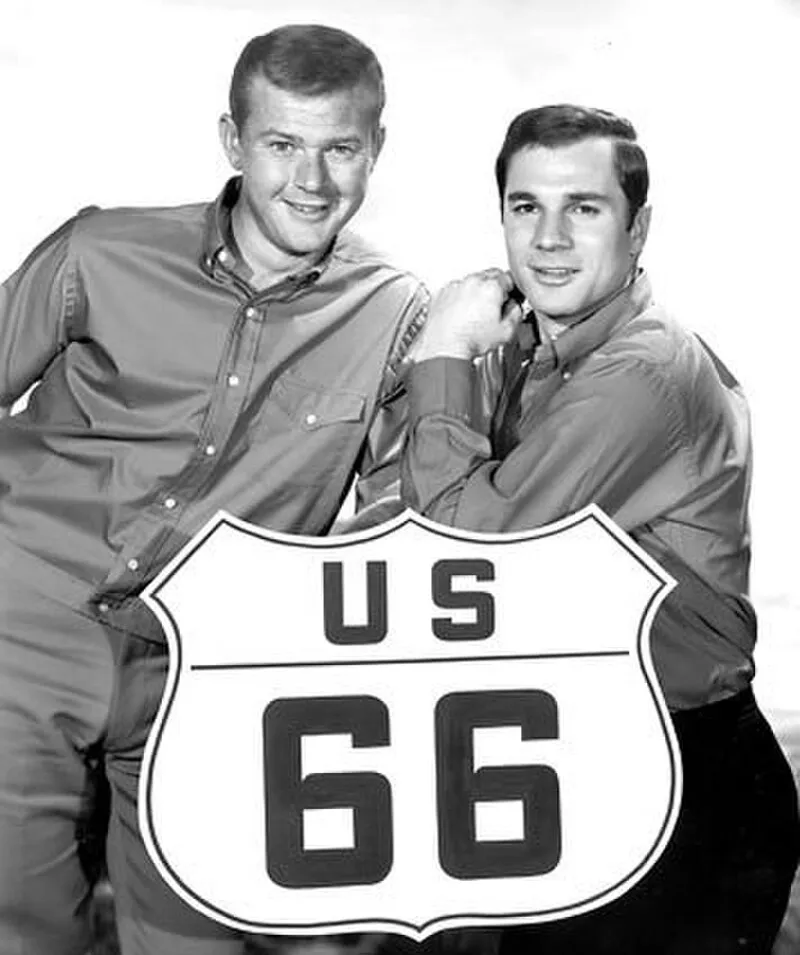 Photo of Route 66, via Wikidata/Wikimedia Commons
Eisenhower Paved the Way (Literally)
President Eisenhower signed the Federal Aid Highway Act in 1956, authorizing the construction of the Interstate Highway System and permanently encoding American road culture into the physical landscape. But Eisenhower's interest in highways predated his presidency by decades — he had participated in the Army's 1919 transcontinental motor convoy, a grinding 62-day journey across the country that revealed just how inadequate American roads were.
The interstate system made long-distance driving faster and more predictable. It also, somewhat ironically, began the slow decline of the older road culture it was meant to serve. Route 66 was bypassed mile by mile as interstates absorbed its traffic, and by 1985 it had been officially decommissioned as a US highway.
But the mythology it represented — and that the postwar boom had cemented — never went away.
The Stillness That Made Us Move
The road trip, in its modern American form, is inseparable from the years when it was impossible. The rationing, the 35 mph crawl, the three-gallon weekly allotment — those constraints didn't kill the desire to travel. They concentrated it, pressurized it, and released it into a culture that had been waiting for exactly that kind of freedom.
When Americans talk about the open road as a symbol of liberty, they're drawing on something real, even if they don't know its source. That feeling was forged in part by its absence — by three years of sitting still while the world changed around them.
The next family road trip you take, the one with the overpacked trunk and the debate about whether to stop at that roadside attraction — that's a tradition with a backstory. And it starts with a rubber shortage and a speed limit that couldn't hold the country back forever.