Picture this: it's 1943, and your washing machine just broke down. In normal times, you'd call a repairman or maybe splurge on a new one. But these weren't normal times. The metal that once went into appliances was now being shipped overseas to build tanks and planes. Your broken washer wasn't getting fixed anytime soon.
This scenario played out in countless American homes during World War II, creating an unexpected crisis that would accidentally birth one of the most enduring fixtures of American life: the laundromat.
When Metal Became More Valuable Than Gold
By 1942, the War Production Board had essentially halted civilian appliance manufacturing. Steel, aluminum, and copper—the backbone of washing machines—were desperately needed for the war effort. Existing machines couldn't be repaired because replacement parts simply didn't exist. Families who had enjoyed the luxury of home laundry suddenly found themselves back to hand-washing or seeking alternatives.
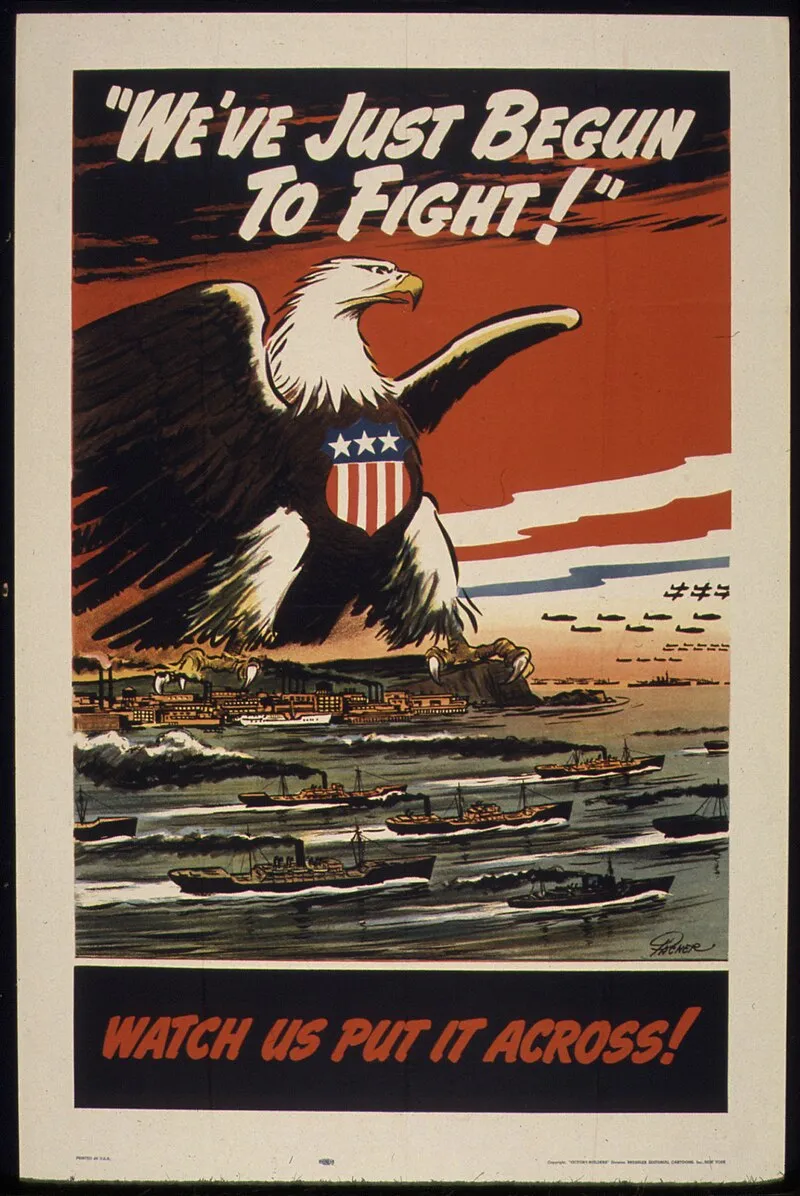 Photo of War Production Board, via Wikidata/Wikimedia Commons
The timing couldn't have been worse. Women were entering the workforce in unprecedented numbers to support the war effort, leaving them with less time for the laborious task of hand-washing clothes. Something had to give.
The Coin-Op Revolution Begins
Enter J.F. Cantrell, a Texas entrepreneur who saw opportunity in crisis. In 1934, he had opened what many consider the first true laundromat—four electric washing machines available for public use. But it wasn't until the war years that his concept truly caught fire.
 Photo of Texas, via Wikidata/Wikimedia Commons
Cantrell's innovation was brilliantly simple: pool resources to share what individuals couldn't obtain. Instead of every family needing their own washing machine (impossible during wartime), communities could share a few commercial-grade machines. The coin-operated mechanism meant no attendant was needed, keeping costs low.
The idea spread like wildfire across American cities. By 1945, there were over 3,000 laundromats operating nationwide—a number that would triple within five years.
More Than Just Clean Clothes
What started as a wartime necessity quickly evolved into something unexpected: a new kind of community space. Unlike the isolated experience of home laundry, laundromats became social hubs where neighbors met, conversations sparked, and unlikely friendships formed.
In urban areas, laundromats became particularly vital for apartment dwellers who had never had space for washing machines anyway. But even in suburban neighborhoods where families could eventually afford new appliances, many continued using laundromats for large items like comforters and rugs.
The Post-War Boom That Almost Killed the Laundromat
When the war ended and appliance manufacturing resumed, many predicted laundromats would disappear. Why would families continue trudging to communal washing facilities when they could have the convenience of home appliances?
The prediction proved wrong. The post-war economic boom actually helped laundromats thrive. Young families moving to new suburban developments often couldn't afford both a house and a full set of appliances immediately. Laundromats provided a bridge, allowing families to prioritize other purchases while still maintaining clean clothes.
Moreover, the machines in laundromats were typically larger and more powerful than home units, making them ideal for bulky items. Many families adopted a hybrid approach: daily clothes at home, heavy-duty washing at the laundromat.
The Unexpected Social Laboratory
By the 1950s, sociologists began studying laundromats as unique social spaces. Unlike other businesses where customers came and left quickly, laundromats required people to stay put for extended periods. This created a fascinating dynamic where strangers from different backgrounds found themselves sharing space and, often, conversation.
For many immigrants and newcomers to American cities, laundromats became informal community centers where they could practice English, get neighborhood advice, and feel less isolated in unfamiliar surroundings.
A Permanent Fixture in American Life
Today, there are approximately 29,000 laundromats across the United States, generating over $5 billion in annual revenue. What began as a wartime workaround has become an integral part of American infrastructure, serving everyone from college students to busy professionals to families in apartment buildings.
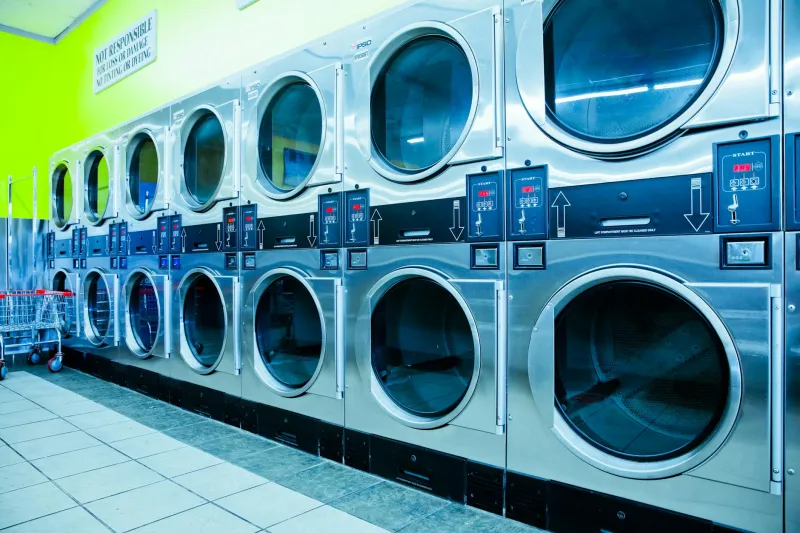
The modern laundromat looks quite different from Cantrell's original four-machine operation. Today's facilities often feature Wi-Fi, comfortable seating, and even cafes. Some have evolved into social spaces that host community events, art shows, and small business pop-ups.
The Lasting Legacy of Wartime Innovation
The story of the laundromat reveals something profound about American ingenuity: how crisis often sparks innovation that outlasts the original problem. What started as a temporary solution to metal rationing became a permanent feature of American life, proving that sometimes the most enduring changes come from the most unexpected places.
The next time you pass a laundromat, remember that those humble washing machines represent more than just clean clothes. They're a testament to how Americans adapted to extraordinary circumstances and, in doing so, accidentally created a new kind of community space that continues to serve millions of people more than 80 years later.
Who knew that a wartime metal shortage would end up reshaping how America does laundry—and builds community—forever?