The Desperate Gamble That Changed Everything
Robert de Graaf was staring at bankruptcy in 1939 when he made the decision that would revolutionize American reading forever. His small New York publishing house was hemorrhaging money, and the literary establishment was laughing at his latest idea: selling books for a quarter.
The concept seemed ridiculous to everyone in the industry. Real books — the kind that mattered — cost between $2 and $3, roughly equivalent to $40-60 today. They were hardbound, dignified objects that belonged in libraries and the homes of educated Americans. What de Graaf was proposing felt like literary sacrilege: cheaply printed paperbacks that could fit in your pocket and cost less than a pack of cigarettes.
"No one will respect a book that costs twenty-five cents," industry veterans warned him. "People will think it's trash."
They weren't entirely wrong about the perception problem. Similar cheap paperbacks had existed in America before, but they were associated with sensational dime novels and pulp fiction — the kind of lurid stories that respectable people read in secret, if at all.
The European Model That America Rejected
De Graaf had spent time in Europe, where paperback books were already common and accepted. Publishers like Penguin in Britain had proven that high-quality literature could be successfully sold in inexpensive formats. But American publishers remained convinced that their market was different.
 Photo of Penguin, via Wikidata/Wikimedia Commons
The resistance wasn't just about money — it was about class. Books in America had become status symbols. Owning a personal library was a mark of sophistication and education. The idea of making literature accessible to factory workers, farmers, and shop clerks threatened the very notion of books as exclusive cultural objects.
When de Graaf approached established authors and their agents about paperback rights, many refused outright. Others demanded such high fees that the economics became impossible. The literary world seemed determined to keep books expensive and exclusive.
The Breakthrough That Nobody Saw Coming
Faced with widespread rejection, de Graaf made a crucial decision: he would focus on reprinting books that had already proven successful in hardcover. This strategy solved two problems at once — it reduced his risk by choosing titles with established audiences, and it allowed him to negotiate more reasonable reprint rights.
His first list of Pocket Books included literary classics like "The Good Earth" by Pearl S. Buck and "Bambi" by Felix Salten, alongside popular mysteries and romances. The books were printed on cheap paper with simple covers, but the content was identical to their expensive hardcover counterparts.
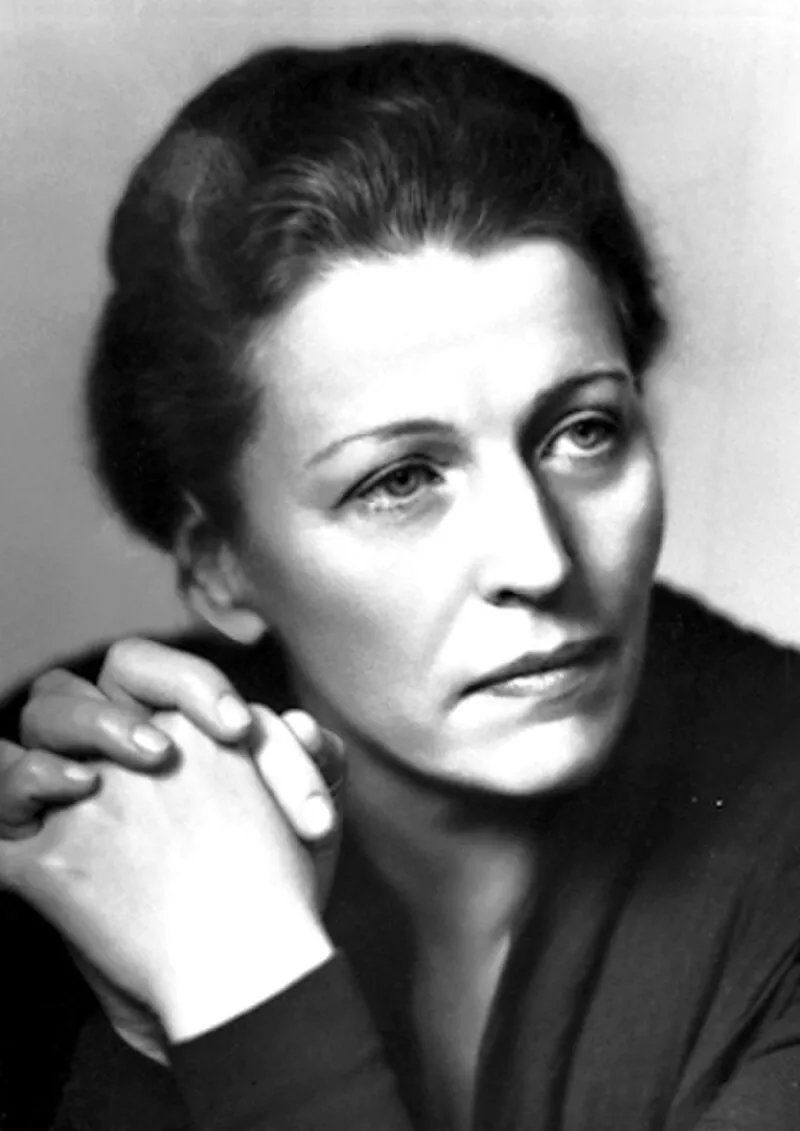 Photo of Pearl S. Buck, via Wikidata/Wikimedia Commons
The real innovation wasn't just the price — it was the distribution. Instead of selling exclusively through bookstores, de Graaf convinced drugstores, newsstands, and train stations to carry his books alongside magazines. Suddenly, literature was available in places where working-class Americans actually shopped.
America's Reading Habits Transform Overnight
The response was immediate and overwhelming. Within months, Pocket Books were selling faster than anyone had predicted. Americans who had never owned a book before were suddenly buying multiple titles. Commuters discovered they could read entire novels during their daily train rides. Soldiers carried paperbacks in their pockets during World War II, creating a massive captive audience.
By 1943, Pocket Books was selling over 40 million copies annually. Other publishers, who had initially dismissed the format as a fad, scrambled to launch their own paperback lines. The literary establishment's worst fears were coming true — books were becoming democratized.
The social impact was profound. For the first time in American history, literature was truly accessible to people regardless of their economic status. A factory worker could now afford the same books as a college professor. Rural Americans, previously dependent on limited library collections, could build personal libraries for the cost of a few meals.
The Unintended Cultural Revolution
What started as one company's desperate survival strategy accidentally triggered one of the most significant cultural shifts in American history. Paperbacks didn't just make books cheaper — they changed what it meant to be a reader in America.
The format encouraged experimentation. When books cost a quarter instead of three dollars, readers were willing to take chances on unfamiliar authors and genres. This created opportunities for diverse voices and unconventional stories that might never have found audiences through traditional hardcover publishing.
Paperbacks also changed reading from a formal activity to a casual one. Books became disposable entertainment that could be read anywhere and shared freely. The stuffy, reverent atmosphere that had surrounded book ownership began to dissolve.
The Legacy of a Rejected Idea
Today, paperbacks account for the majority of book sales in America, and the format that publishers once dismissed as "trash" has become the industry standard. The twenty-five-cent gamble that nearly bankrupted Robert de Graaf instead created a multi-billion-dollar market.
More importantly, it fulfilled a promise that the founding fathers had written into the American ideal but that economic reality had made impossible: truly democratic access to knowledge and literature. The paperback revolution proved that when you remove barriers to culture, Americans will embrace it in numbers that surprise everyone — including the people selling it.
The next time you grab a paperback at an airport or grocery store, remember that you're participating in an accidental revolution that started with one desperate publisher who refused to believe that good books had to be expensive books.