The Dancing Goats That Started It All
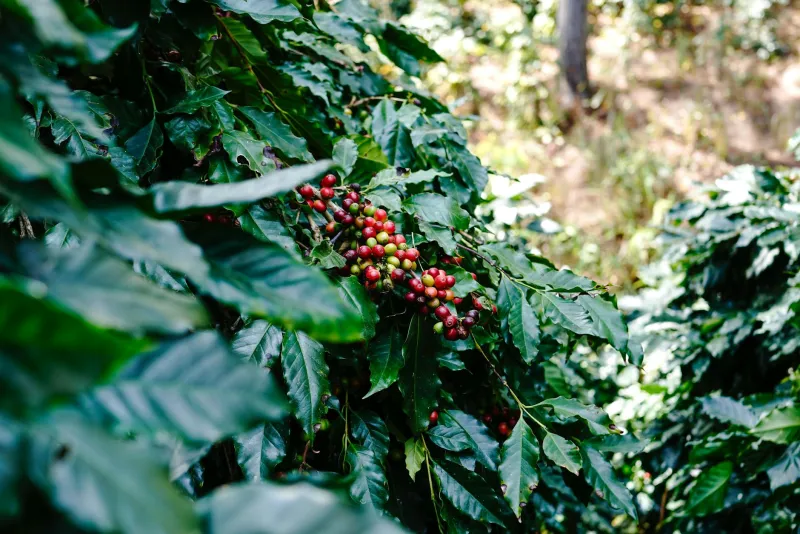
Somewhere around the 9th century, in the misty highlands of Ethiopia, a goat herder named Kaldi made an observation that would eventually change the course of American history. His goats, normally docile creatures content to graze and sleep, were suddenly bouncing around like caffeinated college students during finals week. The culprit? Bright red berries from a particular shrub that the animals couldn't stop munching.
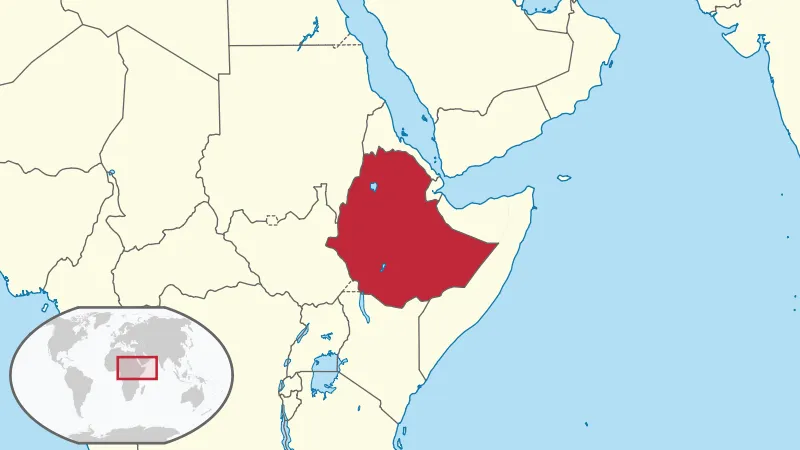 Photo of Ethiopia, via Wikidata/Wikimedia Commons
Kaldi, being curious rather than concerned, decided to try the berries himself. Soon enough, he was experiencing the same energetic buzz that had transformed his livestock into four-legged party animals. What he'd stumbled upon was Coffea arabica — the plant that would eventually fuel everything from the American Revolution to Silicon Valley all-nighters.
But here's the twist: if Kaldi hadn't been paying attention to his goats' unusual behavior, Americans might still be starting their mornings with tea.
From Holy Men to Holy Brew
The story gets even stranger when you consider how coffee made its way from Ethiopian pastures to monastery walls. Local monks, intrigued by Kaldi's discovery, began experimenting with the energizing berries. They quickly realized that this natural stimulant was perfect for staying awake during long prayer sessions and midnight religious ceremonies.
These early religious communities weren't just drinking coffee — they were accidentally creating the world's first coffee culture. Monks developed brewing techniques, shared preparation methods, and essentially turned their monasteries into prototype coffeehouses. They had no idea they were laying the groundwork for what would become America's most essential morning ritual.
The irony is delicious: the beverage that would eventually fuel capitalist productivity and corporate culture got its start in places dedicated to spiritual contemplation and religious devotion.
The Arabian Coffee Conspiracy
By the 15th century, coffee had crossed the Red Sea into Yemen, where Arabian traders recognized its commercial potential. But here's where the story takes a protectionist turn that would make modern trade wars look tame. The Arabs were so determined to maintain their coffee monopoly that they refused to export anything except roasted beans — ensuring that no one else could grow their own coffee plants.
For nearly 200 years, this strategy worked brilliantly. Coffee spread throughout the Ottoman Empire and into Europe, but the Arabs maintained strict control over cultivation. European coffee drinkers were essentially held hostage by this caffeinated cartel, forced to pay premium prices for their daily fix.
This monopoly would have continued indefinitely, except for one determined Dutch trader who managed to smuggle out some live coffee plants in the 1600s. That act of agricultural espionage broke the Arabian stranglehold and set the stage for coffee's global expansion — including its eventual dominance in America.
The Boston Tea Party's Caffeinated Aftermath
Coffee didn't become America's drink of choice through gradual cultural evolution. It happened because of politics, rebellion, and a harbor full of ruined tea.
When American colonists dumped 342 chests of British tea into Boston Harbor in 1773, they weren't just protesting taxation without representation — they were accidentally crowning coffee as the patriotic alternative to tea. Drinking tea became unpatriotic, almost treasonous. Coffee, on the other hand, represented independence, rebellion, and freedom from British control.
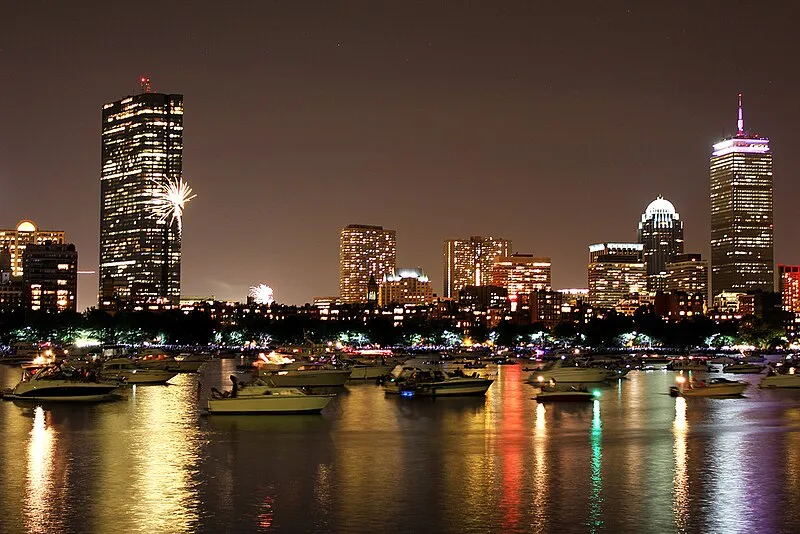 Photo of Boston Harbor, via Wikidata/Wikimedia Commons
This wasn't a marketing campaign or a gradual shift in consumer preferences. It was a complete cultural pivot that happened almost overnight. Coffee transformed from an exotic foreign beverage into the official drink of American independence. Every cup became a small act of defiance against British rule.
The Boston Tea Party essentially turned coffee consumption into a form of patriotism — a connection that still influences American coffee culture today.
From Revolution to Ritual
What makes this story even more remarkable is how quickly coffee evolved from political statement to cultural necessity. By the 1800s, Americans weren't drinking coffee to spite the British anymore — they were drinking it because it had become essential to their daily routine.
The Industrial Revolution amplified coffee's importance. Factory workers needed caffeine to power through long shifts. Office workers relied on it for mental alertness. Coffee became the fuel that powered American productivity and economic growth.
Today, Americans consume roughly 400 million cups of coffee daily, generating over $100 billion in annual economic activity. From specialty roasters to corporate chains, from home brewing enthusiasts to grab-and-go commuters, coffee has become so embedded in American culture that it's impossible to imagine mornings without it.
The Accidental Empire
The most fascinating part of this story isn't just that coffee became popular — it's that every step of its journey to American dominance was essentially accidental. Kaldi stumbled upon it while watching his goats. Monks adopted it for practical religious purposes. Dutch smugglers broke the Arabian monopoly for profit. American revolutionaries embraced it as a political statement.
None of these people were trying to create a global beverage empire. They were just solving immediate problems or responding to specific circumstances. Yet their individual decisions, spread across centuries and continents, created the foundation for what would become America's most cherished morning ritual.
Every time you reach for that first cup of coffee, you're participating in a chain of events that stretches back over 1,000 years — from dancing goats in Ethiopian highlands to revolutionaries in Boston Harbor. Your morning caffeine fix is actually the end result of centuries of accidents, rebellions, and unexpected discoveries.
It's a reminder that sometimes the most important cultural traditions begin with the most unlikely circumstances.