
Reach into your desk drawer right now. Chances are, you'll find at least three paper clips tangled up with rubber bands and old receipts. Maybe you've bent one into a makeshift phone stand or used it to reset a router. But you've probably never considered that this mundane piece of wire once carried enough symbolic weight to land someone in a Nazi prison.
The Great Paper Clip Patent Wars
Before the paper clip became a symbol of resistance, it sparked one of the most petty international disputes in patent history. The story starts in 1867 when American Samuel B. Fay filed the first patent for a "ticket fastener" — essentially a paper clip designed to attach tickets to fabric. But Fay's design was clunky, more like a safety pin than the sleek loops we know today.
The real breakthrough came in 1899 when Norwegian inventor Johan Vaaler created what he called a "paper fastener." His design featured the familiar double-loop shape that could slide over papers without puncturing them. There was just one problem: Norway didn't have a patent office yet. So Vaaler filed his patent in Germany and the United States instead.
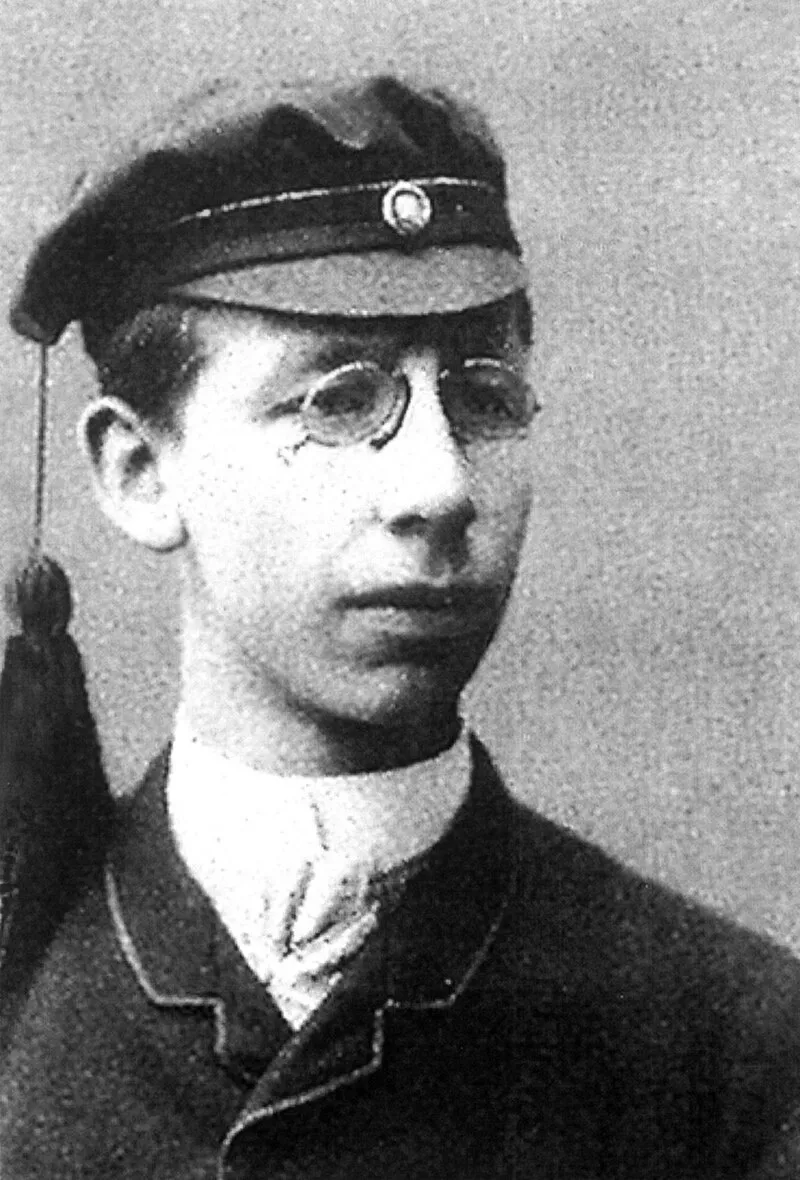 Photo of Johan Vaaler, via Wikidata/Wikimedia Commons
Meanwhile, across the Atlantic, the Gem Manufacturing Company in Britain was already mass-producing nearly identical clips. They never bothered with patents, figuring the design was too simple to protect. This created a messy situation where Americans credited Fay, Norwegians claimed Vaaler, and the British company Gem was actually making all the money.
From Office Supply to Underground Symbol
For forty years, the paper clip lived a quiet life organizing documents and holding together reports. Then Germany invaded Norway in April 1940, and everything changed.
Norwegians found themselves under brutal Nazi occupation. Public gatherings were banned. Newspapers were censored. Even displaying the Norwegian flag could result in arrest. Citizens desperately wanted to show solidarity with each other and resistance to their occupiers, but how do you rebel when every obvious symbol is forbidden?
The answer came from an unexpected source: Johan Vaaler's paper clip.
Someone — historians still debate who — realized that Vaaler's "Norwegian invention" could serve as a perfect covert symbol. Paper clips were everywhere, completely ordinary, and utterly harmless-looking. Wearing one on your lapel sent a clear message to fellow Norwegians: "I remember who we are, and I refuse to give up."
The Clip That Launched a Movement
The paper clip resistance started small. A few university students in Oslo began wearing them to class. Office workers pinned them to their coats. Shop owners displayed them in windows. The symbol spread through whispered conversations and knowing glances.
 Photo of Oslo, via Wikidata/Wikimedia Commons
What made the paper clip perfect for resistance wasn't just its Norwegian connection — it was its function. Paper clips hold things together, just like the Norwegian people were trying to hold their nation together under occupation. The metaphor was so obvious it hurt, but that's exactly why it worked.
By late 1940, the paper clip had become such a widespread symbol of Norwegian unity that Nazi authorities finally caught on. Wearing paper clips in public was declared illegal. Police began arresting anyone caught with the small wire loops prominently displayed. Students were expelled from universities. Workers were fired from jobs.
But the damage was already done. The paper clip had given Norwegians a way to recognize each other as resisters and maintain morale during the darkest period of their occupation.
The Symbol That Outlasted the War
The paper clip resistance didn't end the Nazi occupation — that took five more years and the combined Allied forces. But it served a crucial psychological function, proving that even under totalitarian rule, people could find ways to express their identity and values.
Today, Norway celebrates the paper clip as part of its resistance heritage. A giant paper clip sculpture stands outside the Ulleval University Hospital in Oslo, commemorating both Vaaler's invention and the wartime symbol. The clip appears on Norwegian postage stamps and in museum exhibits about the occupation period.
The Everyday Hero on Your Desk
Back in America, we've mostly forgotten the paper clip's heroic chapter. It returned to being just another office supply, holding together reports and serving as an impromptu bookmark. We've invented digital documents and cloud storage, but somehow the paper clip endures.
Maybe that's fitting. The paper clip's power was never in being flashy or important-seeming. Its strength came from being so ordinary that it could hide in plain sight, carrying messages of hope and defiance when people needed them most.
The next time you straighten out a paper clip to clear a clogged pen or fish something out of a tight space, remember: you're holding a piece of resistance history. Sometimes the most powerful symbols are the ones sitting right there on your desk, waiting for someone to recognize their hidden potential.