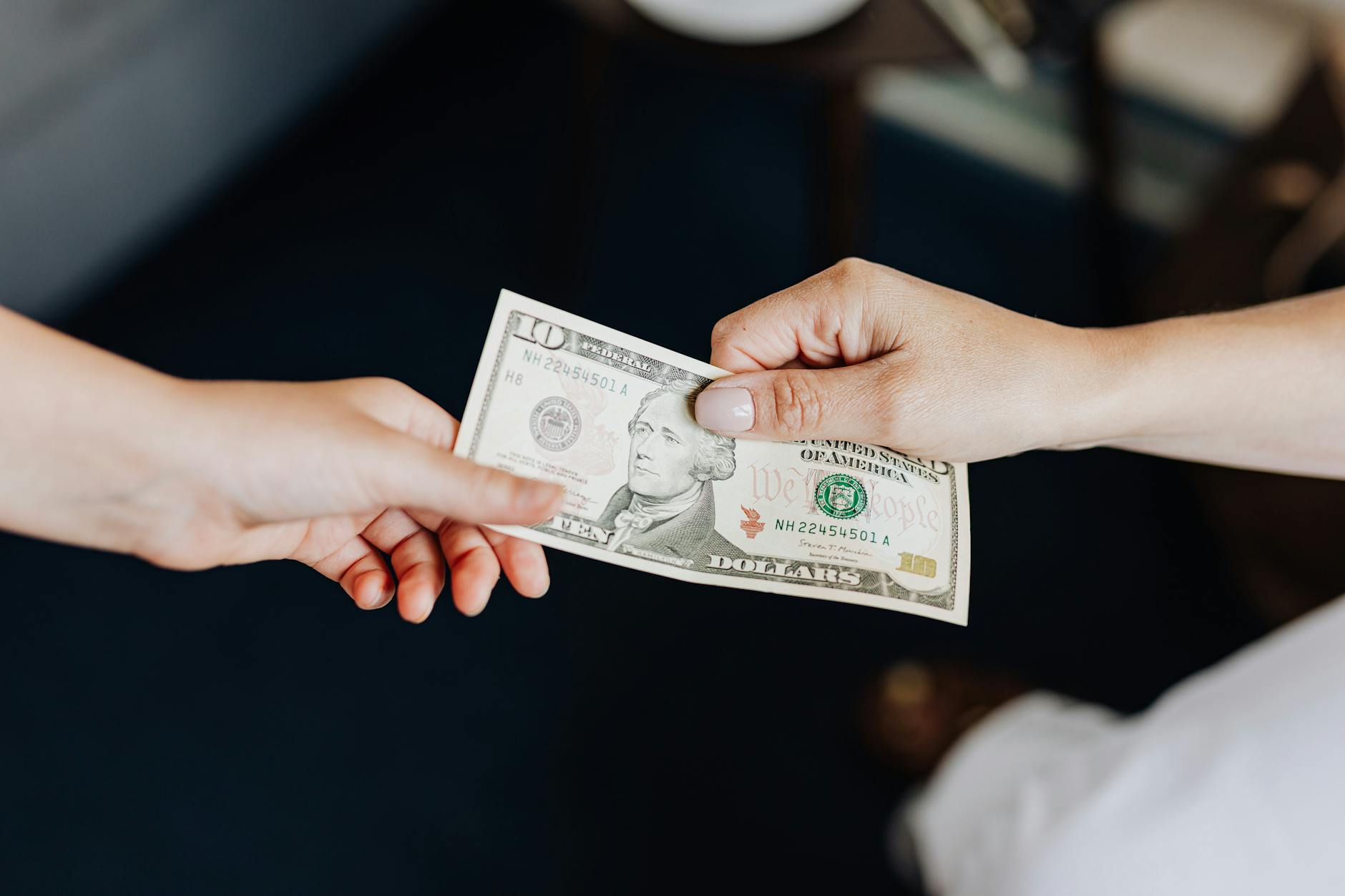
You've been there. You walk up to the counter, order a coffee, and the screen swings around to face you. Suddenly you're staring at three tip options — 18%, 20%, 25% — while the barista stands two feet away. You tap something, probably out of social anxiety more than anything else, and walk away vaguely unsettled.
Tipping in America has never felt more complicated. But here's the thing: it has always been complicated. The story of how tipping became embedded in American culture is one that most people have never heard — and once you do, the tip screen hits a little differently.
It Started Across the Atlantic
Tipping didn't originate in the United States. The custom traces back to 16th and 17th century England, where wealthy households would leave extra coins for servants who provided exceptional service during a visit. By the 1800s, the practice had become a mark of class and sophistication among European aristocracy — a way for the upper crust to signal their generosity and status.
American travelers began picking up the habit during trips abroad, bringing it home as a kind of fashionable import. But when the custom arrived in the US, it landed in a very specific historical moment — and it was quickly put to a very specific use.
The Post-Civil War Connection
After the Civil War, the American service industry was in the middle of a massive transformation. Formerly enslaved people were entering the workforce in large numbers, particularly in two industries: restaurants and railroads. Employers in both sectors found a convenient way to avoid paying these workers a living wage — they pointed to tips.
The Pullman Company, which operated sleeping cars on railroads, became one of the most prominent examples. The company hired almost exclusively Black men as porters and paid them wages so low that survival depended entirely on tips from passengers. Pullman actively leaned into the dynamic, encouraging passengers to see tipping as the norm and positioning their porters as servants rather than employees deserving fair compensation.
Restaurant owners followed a similar playbook. Tipping wasn't framed as a bonus — it was structured as a substitute for wages. The result was a system where employers could externalize labor costs onto customers while workers, particularly Black workers, were left economically vulnerable and dependent on the goodwill of strangers.
The Anti-Tipping Backlash
Not everyone accepted this quietly. In the early 1900s, tipping sparked a genuine public debate in America. Critics called it undemocratic — a throwback to the class hierarchies of the Old World that contradicted American ideals of equality. William Scott, an author who wrote an entire book against tipping in 1916 called The Itching Palm, argued that the practice was degrading to both the giver and the receiver.
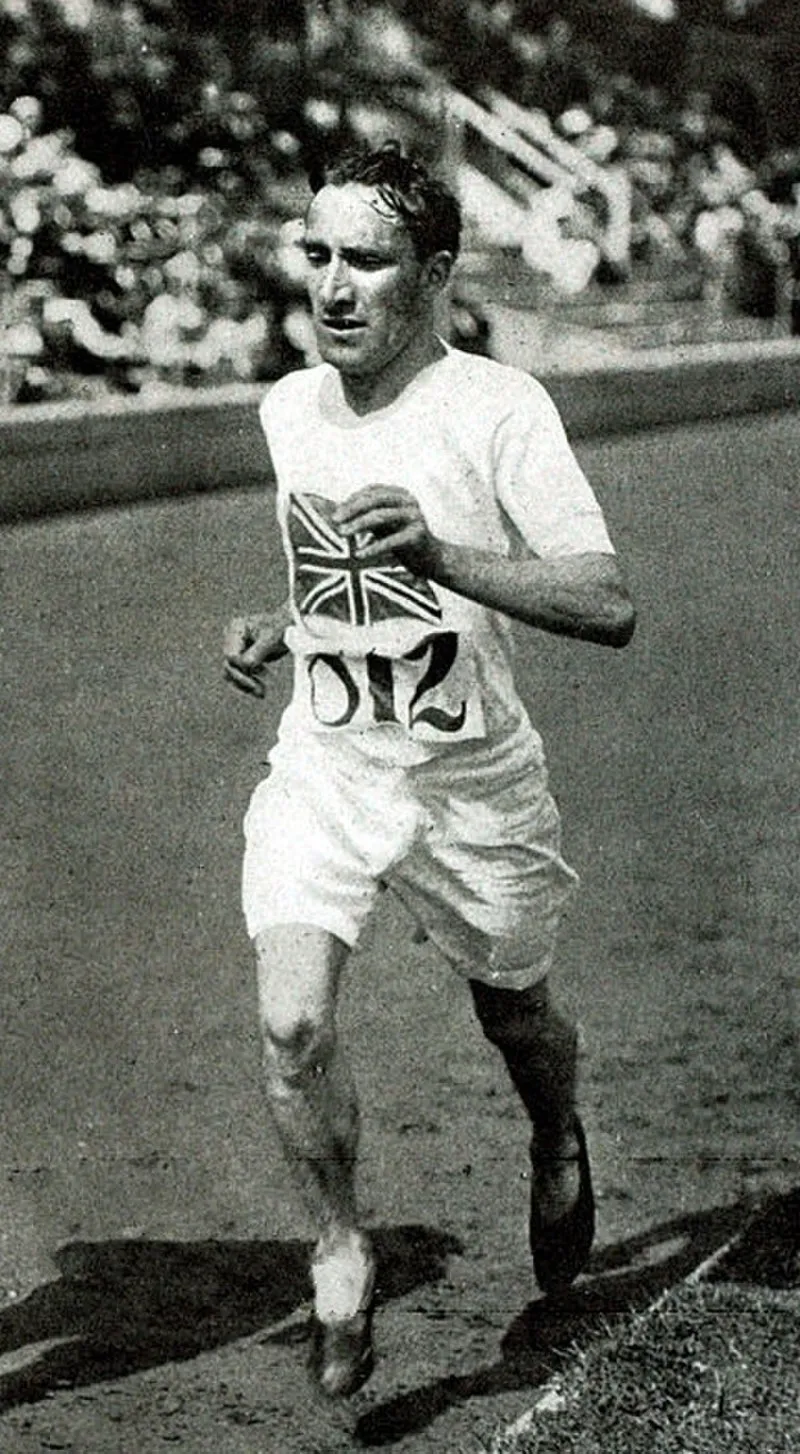 Photo of William Scott, via Wikidata/Wikimedia Commons
The backlash got political. Between 1909 and 1915, six states — including Washington, Mississippi, and Iowa — actually passed anti-tipping laws, making it illegal to offer or accept gratuities in certain contexts. The laws were largely unenforceable and faded quickly, but they reflect just how contested the custom was at the time.
Restaurant and railroad industry lobbying pushed back hard. And as the service economy grew, tipping became increasingly entrenched — not as a cultural value, but as an economic structure that benefited employers.
How a Labor Loophole Became a Cultural Norm
The real turning point came with the Fair Labor Standards Act of 1938, which established a federal minimum wage — but carved out an exception for tipped workers. That exception survives to this day. The federal tipped minimum wage has sat at $2.13 per hour since 1991. Thirty-two years. Untouched.
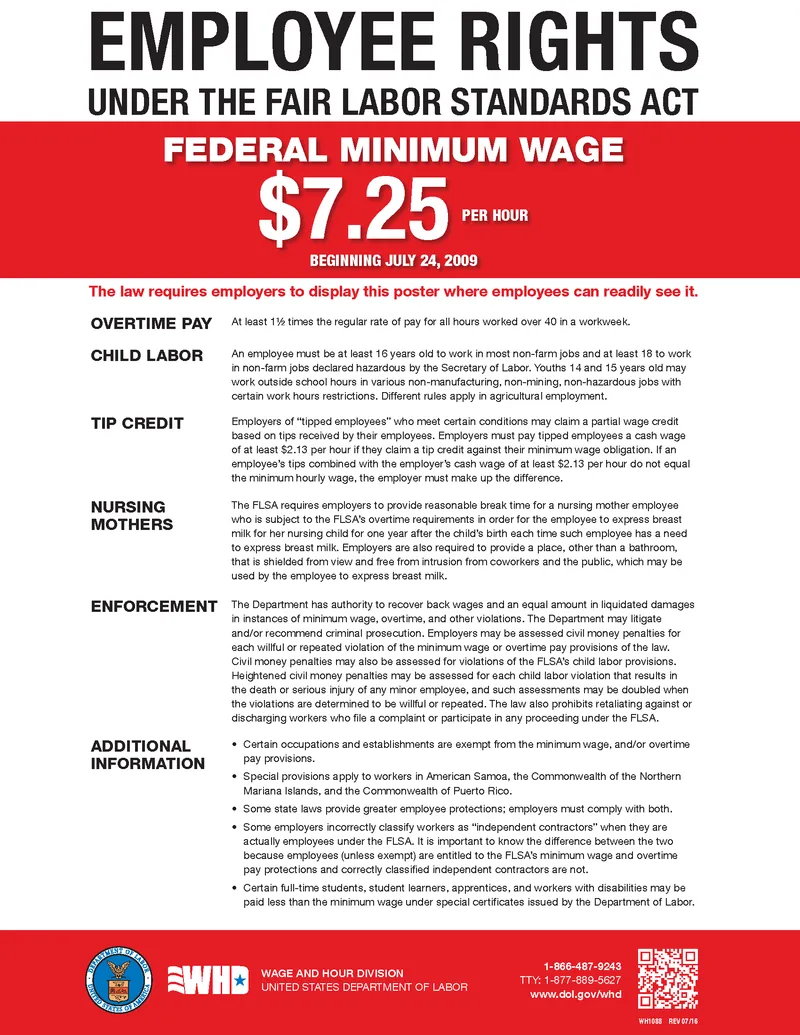 Photo of Fair Labor Standards Act of 1938, via Wikidata/Wikimedia Commons
The assumption baked into that number is that tips will make up the difference. In practice, that means millions of American service workers — disproportionately women and people of color — depend on customer generosity to reach a livable income. The employer's obligation to bridge the gap if tips fall short exists on paper, but enforcement is inconsistent.
Over decades, tipping evolved from a controversial practice into an unquestioned social expectation. Norms around what to tip, when, and how much shifted constantly — and then the pandemic reshuffled everything again. With restaurant workers suddenly classified as essential, many Americans who had never thought deeply about tipping began reconsidering the custom entirely.
Enter the Tip Screen
And then came the iPad at the counter. Point-of-sale technology made it possible — and, for businesses, tempting — to prompt customers for a tip at virtually any transaction. Coffee shops, fast food counters, self-checkout kiosks. The tip request expanded far beyond its traditional home in sit-down restaurants and taxi cabs.
The backlash has been loud. Surveys show that a growing number of Americans feel pressured, manipulated, or just plain confused by tip prompts in contexts where tipping was never previously expected. The term "tip fatigue" started appearing in news coverage. So did "guilt tipping" — leaving a gratuity not out of appreciation but to avoid the social discomfort of pressing "No Tip" while someone watches.
The debate is very much alive. Some states are revisiting minimum wage laws for tipped workers. Several restaurant groups have experimented with eliminating tipping entirely in favor of higher menu prices. Others argue that tipping, whatever its origins, now provides workers with income they depend on — and that removing it without replacing that income would cause real harm.
A Habit With a Long Memory
The average American doesn't think about any of this when they're calculating 20% on a dinner bill. Tipping has become so normalized that it operates almost like a social reflex. But the history underneath it — built on racial inequity, labor exploitation, and a deliberate policy choice to make workers dependent on customer charity — is worth understanding.
Knowing where something comes from doesn't necessarily tell you what to do with it. But it does change how you see it. That tip screen isn't just an awkward moment. It's the latest chapter in a very long story.