The Cheese That Built a Mountain
Somewhere in the limestone caves beneath Missouri, the United States government once stored enough cheese to feed every person in America for six months. By 1981, federal warehouses held 560 million pounds of surplus dairy products — a dairy mountain so massive it cost taxpayers $1 million per day just to store.
This wasn't gourmet cheese. It wasn't even good cheese. It was processed, artificially colored, aggressively orange cheese that nobody particularly wanted to eat. Yet for millions of Americans, these government blocks became a lifeline, a cultural touchstone, and surprisingly, a source of nostalgia that persists today.
The story of government cheese is really the story of how America accidentally created one of its most widespread — and strangest — social programs.
When Farmers Had Too Much of Everything
The cheese crisis began in the 1970s, born from the collision of Cold War politics and American agricultural abundance. Following the Soviet grain embargo and rising global food prices, Congress decided to guarantee farmers a minimum price for their milk, regardless of market demand.
The logic seemed sound: keep family farms profitable, ensure food security, and maintain America's agricultural dominance. What lawmakers didn't anticipate was just how productive American dairy farmers could be when given guaranteed profits.
Farmers ramped up production dramatically. Dairy output soared beyond anything the market could absorb. The government, legally obligated to purchase surplus milk at predetermined prices, found itself drowning in dairy products with nowhere to put them.
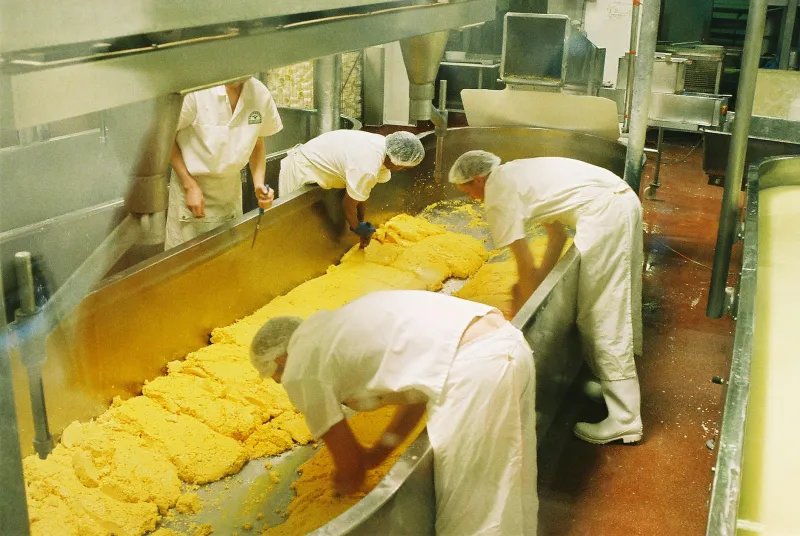
The solution? Convert the milk into cheese, which lasted longer than fresh dairy and took up less storage space. The government contracted with commercial processors to transform millions of gallons of surplus milk into five-pound blocks of processed cheese, dyed bright orange to distinguish it from commercial products.
Reagan's Cheese Dilemma
By the time Ronald Reagan took office in 1981, the cheese stockpile had become a political embarrassment. Storage costs were astronomical, the caves were overflowing, and critics were calling it "Reagan's Cheese Mountain." Meanwhile, recession and budget cuts had left millions of Americans struggling to afford basic groceries.
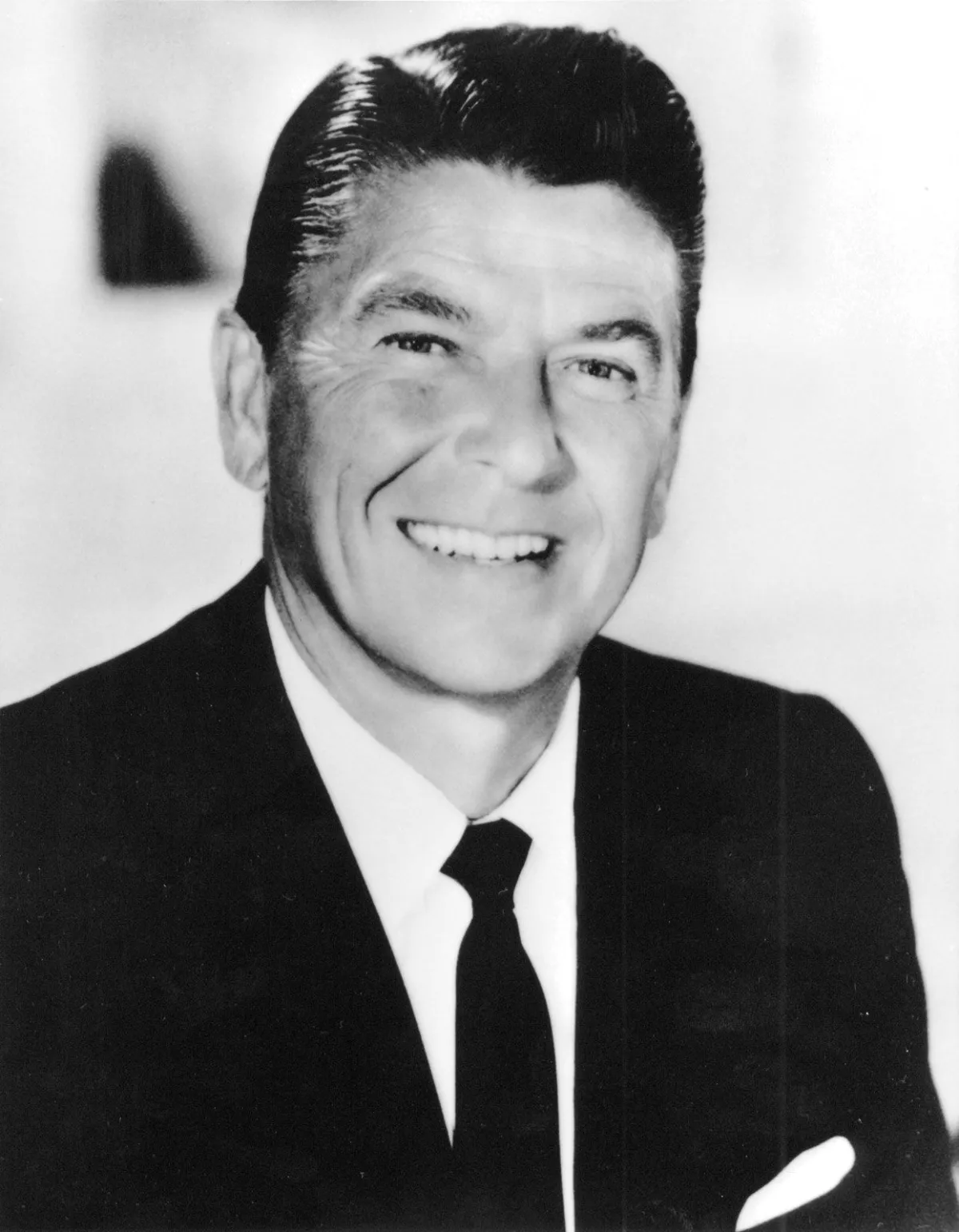 Photo: Ronald Reagan, via cdn.britannica.com
The solution seemed obvious: give the cheese away. But this created its own problems. How do you distribute 560 million pounds of cheese without destroying the commercial dairy market? How do you avoid the appearance of creating a massive welfare program?
Reagan's administration crafted a careful strategy. The cheese would be distributed through existing food assistance programs, churches, and community organizations. Recipients had to prove financial need, and the cheese came with strict rules: it couldn't be resold, and families were limited to specific amounts per month.
Most importantly, the government insisted this wasn't welfare — it was temporary surplus disposal.
The Orange Invasion
Starting in late 1981, government cheese began appearing in American homes across economic and racial lines. The five-pound blocks arrived in distinctive packaging: plain cardboard boxes stamped with "USDA" and warnings about proper storage and use.
The cheese itself was unlike anything most Americans had experienced. Aggressively orange, artificially smooth, and designed for maximum shelf stability, it melted differently than regular cheese and had a distinctly processed flavor. Some families loved it; others tolerated it out of necessity.
What nobody expected was how thoroughly it would integrate into American food culture. Families developed elaborate recipes around government cheese: casseroles, sandwiches, mac and cheese that glowed orange under kitchen lights. Kids grew up thinking this was what cheese was supposed to taste like.
The program reached its peak in the mid-1980s, when the government was distributing cheese to over 30 million Americans monthly. For many families, the monthly cheese pickup became a routine as regular as grocery shopping.
More Than Just Food
Government cheese carried social meaning beyond nutrition. In some communities, receiving it was stigmatized — a visible sign of economic struggle. Families would repackage it to avoid embarrassment, or develop elaborate stories about why they had so much cheese in their refrigerators.
But in other contexts, it became a source of community pride and creativity. Churches organized cheese-based potluck dinners. Schools incorporated it into lunch programs. Entire cookbooks emerged dedicated to government cheese recipes.
The cheese also revealed uncomfortable truths about American food policy. While the government was giving away processed cheese blocks, fresh fruits and vegetables remained expensive and often inaccessible in low-income neighborhoods. The program inadvertently reinforced America's reliance on processed, shelf-stable foods.
The Unexpected Legacy
The government cheese program officially ended in the 1990s as agricultural policies shifted and surplus stockpiles were finally depleted. But its cultural impact proved remarkably durable.
Today, "government cheese" appears in hip-hop lyrics, comedy routines, and nostalgic social media posts. Food bloggers write lovingly about recreating its distinctive flavor. Specialty cheese companies have even begun producing "government cheese" style products for consumers who miss the taste of their childhood.
This nostalgia reveals something profound about American food culture. For millions of people, government cheese wasn't just emergency food — it was formative. It shaped palates, influenced cooking habits, and created shared cultural memories that transcended economic class.
The Accidental Safety Net
Perhaps most importantly, government cheese demonstrated how agricultural policy could accidentally become social policy. What began as a farm subsidy program evolved into one of America's most widespread food assistance efforts, reaching families who might never have qualified for traditional welfare programs.
The program's success — and its eventual popularity — revealed an uncomfortable truth: millions of American families needed food assistance, even if they didn't fit traditional definitions of poverty. Government cheese filled gaps that other programs missed, reaching working families, elderly Americans, and rural communities often overlooked by urban-focused social services.
In the end, the orange blocks that nobody wanted became exactly what America needed: an accidental safety net that fed a generation and created lasting memories of resilience, community, and the strange ways that government policy can shape our most intimate experiences around food and family.
The caves are empty now, but the legacy of government cheese remains — a reminder that sometimes the most important social programs are the ones we never meant to create.
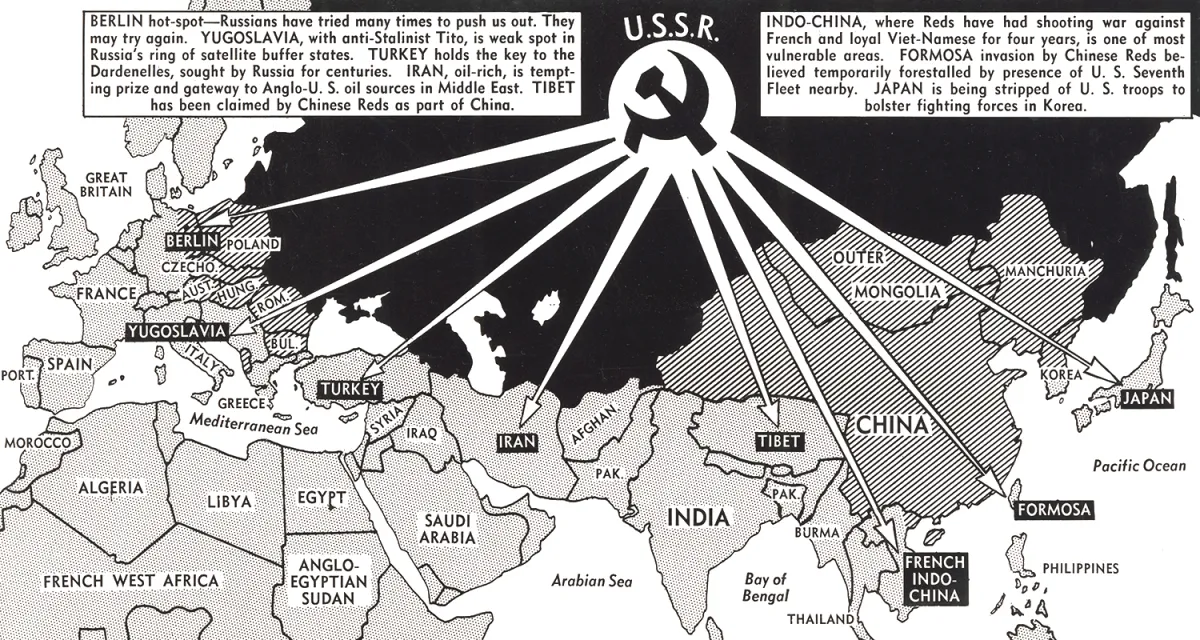 Photo: Soviet Union, via neverwasmag.com