The Prize That Changed Every Kitchen
In 1869, Napoleon III had a problem. His armies needed food that wouldn't spoil, and France's poor couldn't afford butter. So he did what any emperor would do: he offered cold hard cash to whoever could solve it.
The prize was simple—create a cheap butter substitute that could feed soldiers and civilians alike. What emerged from that contest would eventually sit in nearly every American refrigerator, but not before triggering one of the strangest food fights in history.
A Chemist's Greasy Breakthrough
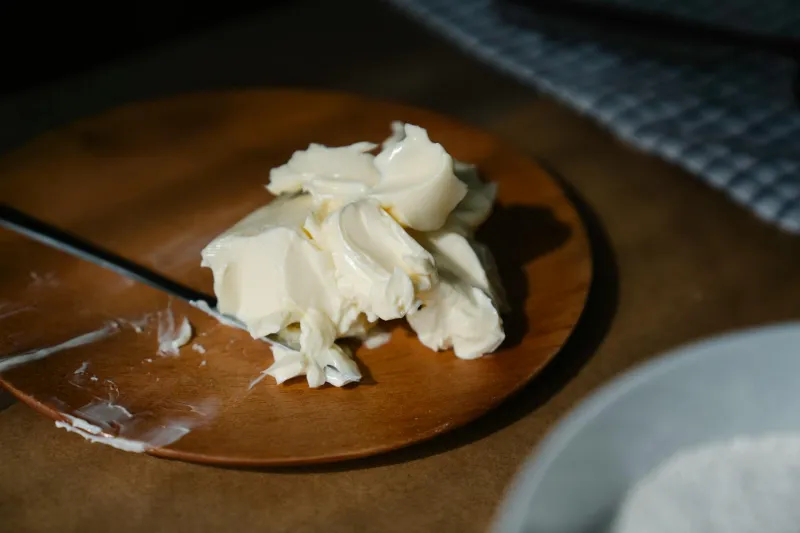
Hippolyte Mège-Mouriès, a French chemist, won Napoleon's contest with an invention he called "oleomargarine." His process was surprisingly gross by today's standards: he squeezed fat from beef tallow, mixed it with milk, and churned it into something that looked and tasted remarkably like butter.
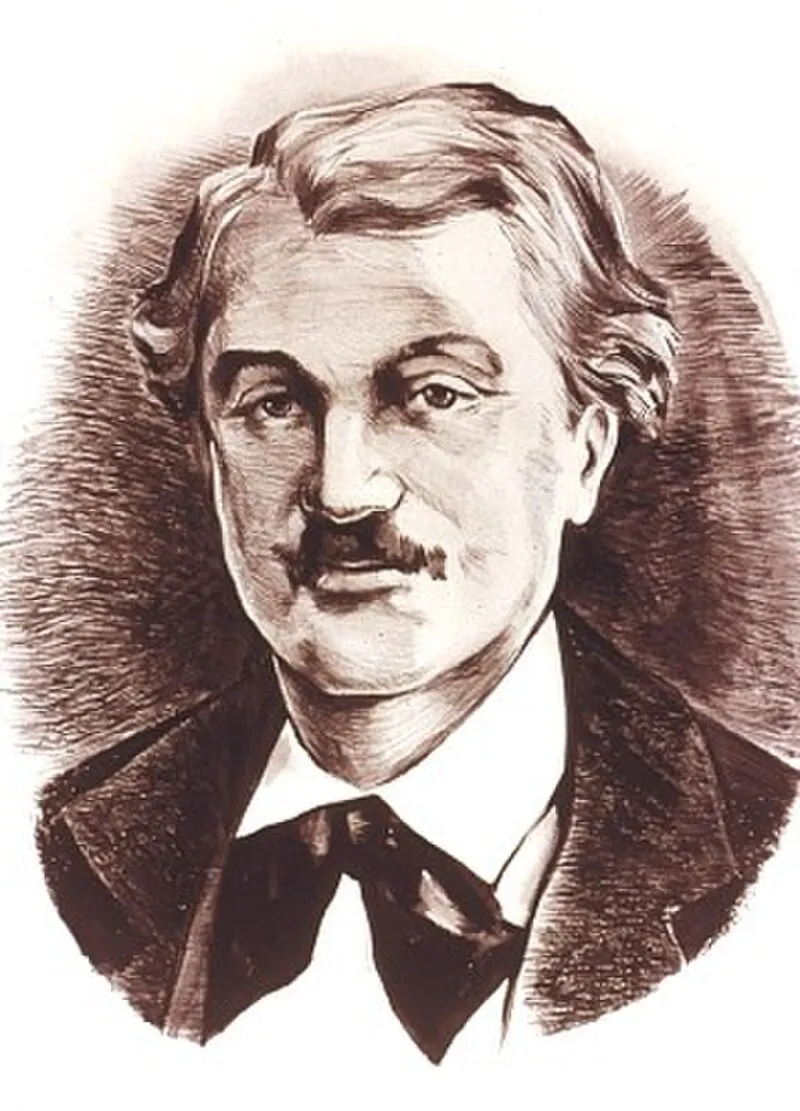 Photo of Hippolyte Mège-Mouriès, via Wikidata/Wikimedia Commons
Mège-Mouriès thought he'd created a simple solution to a military logistics problem. He had no idea he'd just invented one of America's most politically charged foods.
The new spread worked exactly as intended. It was cheaper than butter, lasted longer, and fed people who couldn't afford the real thing. But when margarine crossed the Atlantic in the 1870s, it ran headfirst into America's powerful dairy lobby—and that's when things got weird.
The Dairy Industry Strikes Back
American dairy farmers saw margarine as an existential threat. Butter wasn't just food—it was their livelihood. So they launched a campaign that would make modern political attack ads look tame.
First came the propaganda. Dairy advocates spread rumors that margarine was made from diseased animals and industrial waste. They claimed it caused baldness, stunted growth, and even insanity. None of it was true, but fear sells.
Then came the laws. And this is where American food politics got truly bizarre.
The Pink Tax and Other Legal Absurdities
By the 1880s, dairy-friendly politicians had passed laws that seem almost surreal today. Some states required margarine to be dyed bright pink or red, making it look unappetizing and clearly fake. Others mandated that it be sold only in its natural white color, forcing consumers to mix in yellow dye at home if they wanted it to look like butter.
Wisconsin went further, banning yellow margarine entirely. Vermont required restaurants to serve margarine on triangular plates to warn unsuspecting diners. Some states imposed hefty taxes—what we'd now call a "butter protection racket."
 Photo of Wisconsin, via Wikidata/Wikimedia Commons
The federal government joined the fight in 1886 with the Oleomargarine Act, slapping a two-cent tax on every pound of margarine sold. That might not sound like much, but in 1886 dollars, it was substantial enough to keep margarine off many American tables.
Bootleg Butter and Kitchen Rebels
But Americans are nothing if not resourceful. A black market for yellow margarine emerged along state lines. Families would drive to neighboring states to stock up on the "good stuff." Some manufacturers included packets of yellow dye with their white margarine, turning kitchen tables into makeshift food labs.
Restaurants developed elaborate workarounds. They'd serve white margarine alongside "vitamin supplements" that happened to be yellow food coloring. Diners would casually mix the two, pretending it was perfectly normal to customize their spread at the dinner table.
War Changes Everything
World War II finally broke the dairy industry's stranglehold on American spreads. Butter was rationed for the war effort, and suddenly margarine went from controversial substitute to patriotic necessity.
Government campaigns that once demonized margarine now promoted it as a way to support the troops. "Use margarine, save butter for our boys overseas" became a common refrain. Almost overnight, margarine transformed from enemy to ally.
The Slow Surrender
After the war, dairy farmers kept fighting, but their power was waning. States began repealing their anti-margarine laws one by one. Wisconsin, the dairy capital of America, held out until 1967—nearly a century after margarine's invention.
The last federal restrictions didn't disappear until the 1970s. By then, margarine had evolved far beyond Mège-Mouriès' beef tallow experiment. Vegetable oils replaced animal fats, health claims replaced fear campaigns, and margarine found its permanent place in American kitchens.
The Accidental Revolution
What started as Napoleon's military procurement problem became something much bigger—a window into how innovation threatens established interests, and how those interests fight back.
Today, margarine sits quietly in grocery stores alongside butter, their war largely forgotten. Few shoppers remember that their choice between spreads was once a political statement, or that their grandparents might have smuggled yellow margarine across state lines like bootleggers.
Mège-Mouriès just wanted to win a contest and help feed people. Instead, he accidentally created a century-long lesson in American food politics, complete with pink dye, triangular plates, and kitchen chemistry sets. Sometimes the most ordinary things in our refrigerators have the most extraordinary backstories.