Most mornings, somewhere between the alarm going off and the first real thought of the day, millions of Americans reach for a coffee filter. It's one of those objects so ordinary, so reliably present, that nobody thinks twice about it. You just grab one, fold it, drop it in, and move on.
But that thin paper cone sitting in your cabinet has a backstory that's genuinely worth knowing — because it didn't come from a lab, a corporation, or a team of engineers. It came from a woman in Germany who was simply tired of bad coffee.
The Problem With Coffee in 1908
At the turn of the twentieth century, brewing coffee was kind of a mess. The dominant method involved boiling loose grounds directly in water — a technique that produced a cup that was muddy, bitter, and full of sediment that settled on your tongue. Percolators existed, but they had their own issues, often over-extracting the grounds and leaving a harsh, almost scorched taste.
Melitta Bentz, a homemaker living in Dresden, Germany, had had enough. She was a practical woman with a low tolerance for unnecessary problems, and bad coffee qualified as exactly that. So in 1908, she started experimenting in her kitchen, determined to figure out a better way.
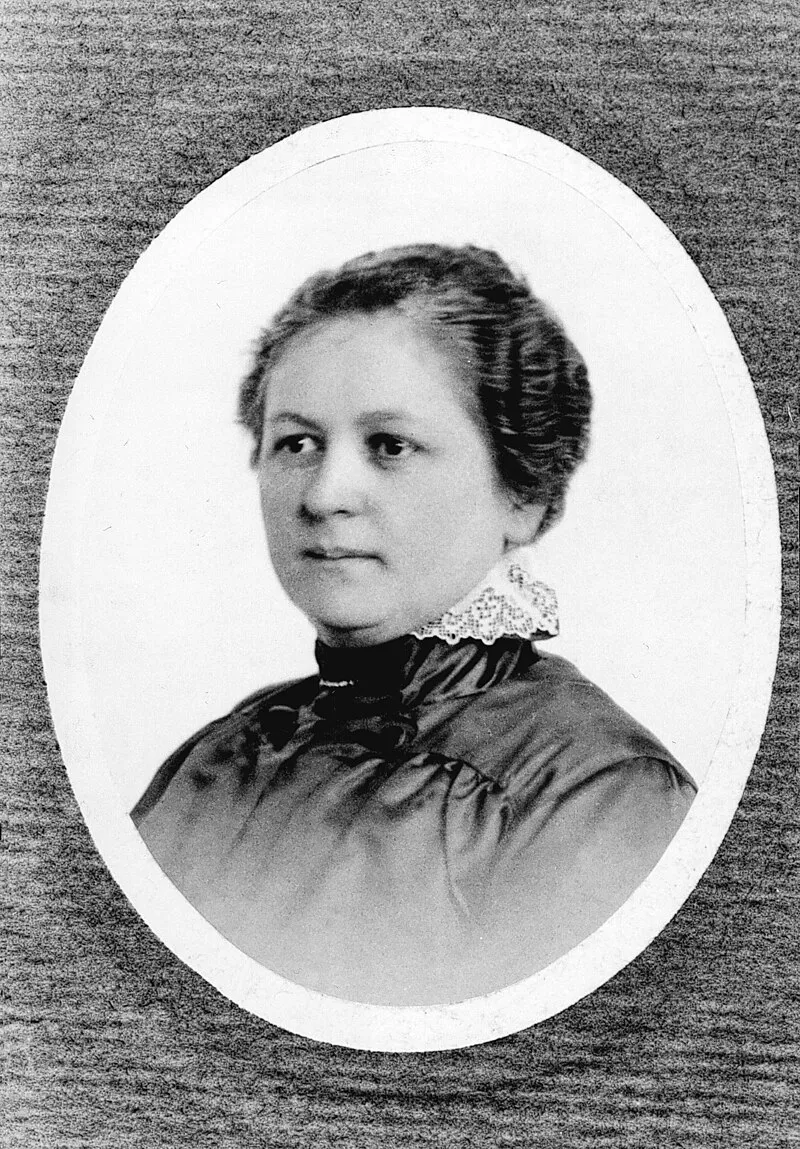 Photo of Melitta Bentz, via Wikidata/Wikimedia Commons
The Notebook Page That Started Everything
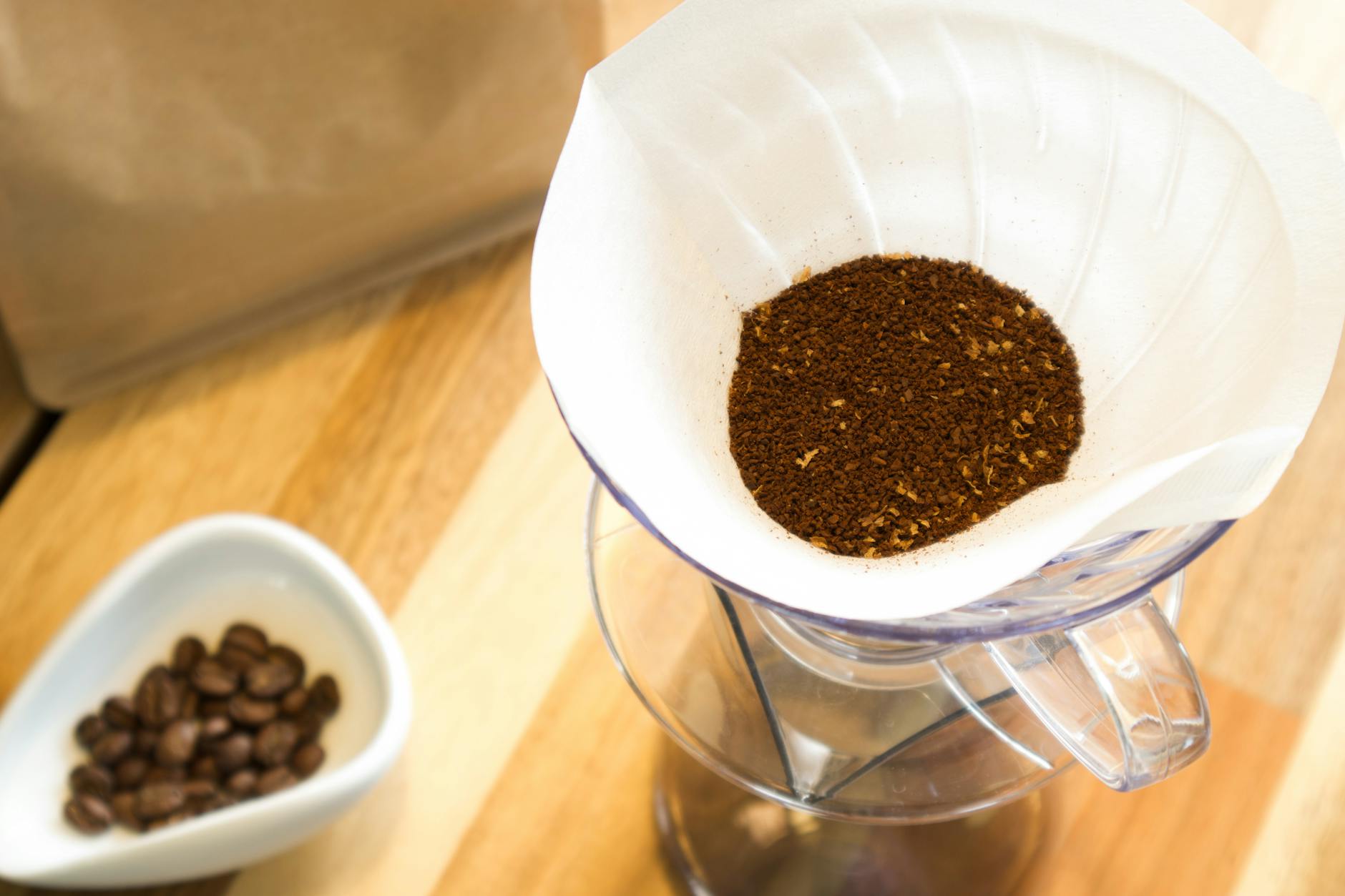
Her solution was almost embarrassingly simple. She took a brass pot, punched holes in the bottom with a nail, and placed inside it a circular piece of blotting paper — the kind her son used in his school notebook to absorb fresh ink. Then she poured hot water over the grounds and let it drain through.
The result was a cleaner, smoother, noticeably less bitter cup of coffee. The paper trapped the fine grounds and oils that had always made the brew taste harsh. It was such an obvious fix, in hindsight, that it's almost surprising nobody had done it before.
Bentz wasn't the type to keep a good idea to herself. She filed a patent for her design on December 20, 1908 — just a few months after her kitchen experiment — and within a year, she and her husband Hugo had set up a small business selling the filters from their home. Their very first trade show appearance, at the Leipzig Fair in 1909, sold out their entire inventory.
From Kitchen Table to Global Company
The business grew steadily. By 1912, the Melitta company had moved into a real office, employed workers, and was shipping filters across Germany. The design evolved too — the original flat-bottomed filter eventually gave way to the now-iconic cone shape, which Melitta introduced in 1937 and patented. That cone design is still the standard used in most drip coffee makers today.
The company survived two World Wars, though both disrupted production significantly. After World War II, the filter coffee method spread rapidly across Europe and, eventually, into American homes. When automatic drip coffee makers became a household staple in the United States during the 1970s — Mr. Coffee launched its iconic machine in 1972 — Melitta-style paper filters became a mass-market product virtually overnight.
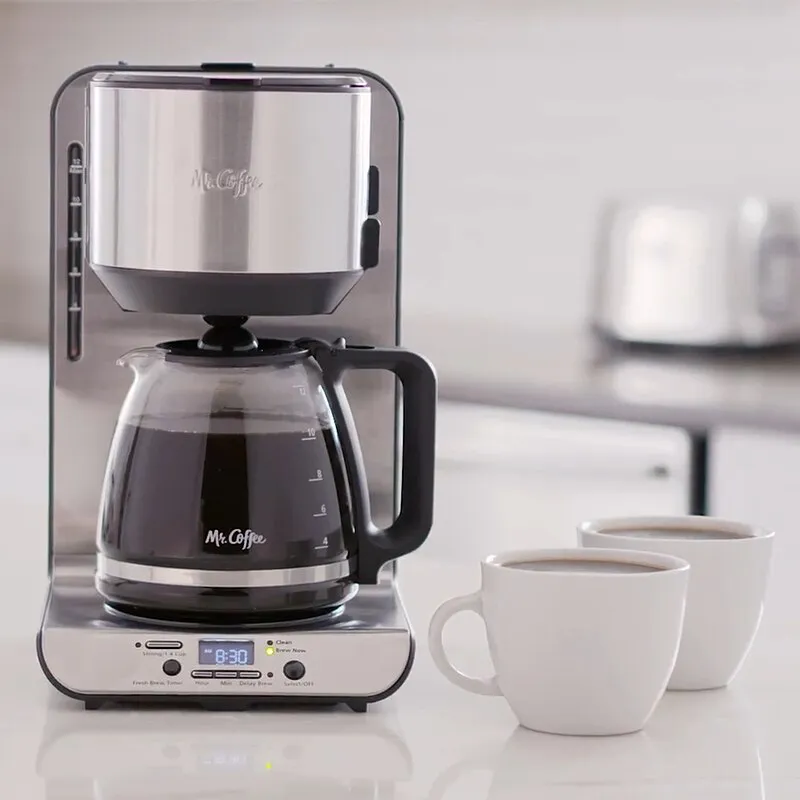 Photo of Mr. Coffee, via Wikidata/Wikimedia Commons
By that point, Melitta Bentz herself had been gone for nearly a decade. She died in 1950, having lived long enough to see her small kitchen fix become a legitimate international business. She never became a household name in America, which is a strange kind of irony given how deeply her invention embedded itself in the American morning routine.
What the Filter Actually Does
It's worth pausing for a second to appreciate what that paper actually accomplishes, because it's more than just keeping grounds out of your cup. Coffee contains oils called diterpenes — specifically cafestol and kahweol — that, when consumed in large quantities, can raise LDL cholesterol levels. Paper filters trap a significant portion of those oils, which is one reason filtered drip coffee is sometimes considered a slightly healthier option compared to French press or unfiltered methods.
The filter also controls flow rate, which affects extraction. Too fast and the coffee is weak and watery. Too slow and it turns bitter. The paper's porosity sits in a sweet spot that most brewing methods have to work hard to replicate.
Melitta Bentz didn't know any of that chemistry in 1908. She just knew her coffee tasted better.
The Quiet Legacy of a Kitchen Experiment
There's something almost poetic about the fact that one of the most-used household objects in America traces back to a woman improvising with school supplies in a Dresden kitchen. No corporate R&D budget. No prototype testing. Just a practical person solving a practical problem with whatever was nearby.
The Melitta company, still headquartered in Germany and still family-owned, sells products in more than 150 countries today. Their coffee filters are stacked in pantries from Portland, Maine to Portland, Oregon, quietly doing exactly what they've always done.
Next time you peel one open and drop it into your coffee maker, you're essentially repeating a gesture that Melitta Bentz made over a century ago — minus the brass pot and the notebook paper. The idea, though, is entirely hers.