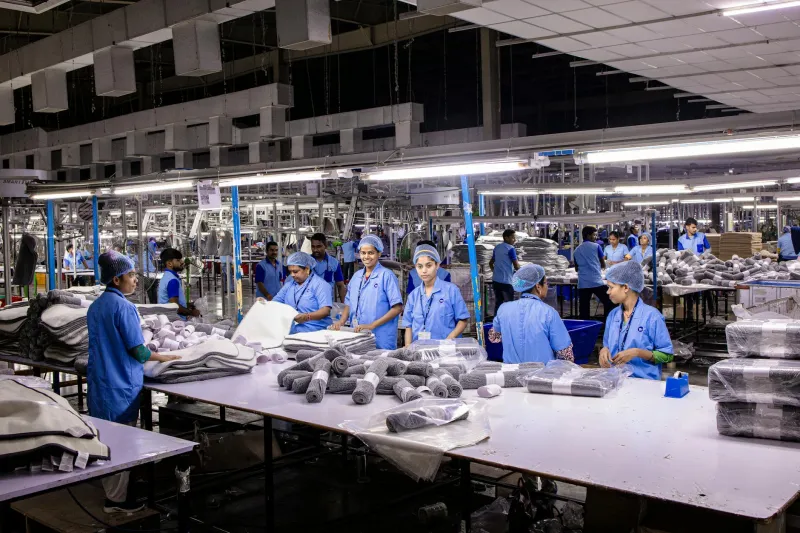
The Problem Nobody Wanted to Solve
In 1920, the American workweek was a grinding reality: six days in the factory, office, or field, with only Sunday for rest. Most business owners considered this natural law—after all, more work meant more profit. The idea of deliberately giving workers an extra day off seemed like economic suicide.
Then two unlikely allies emerged with completely different motivations for the same radical idea.
When Labor Met Industry
Sidney Hillman, a Jewish immigrant and labor organizer, had been fighting for shorter workweeks since arriving from Lithuania in 1907. His argument was simple: exhausted workers made more mistakes, got injured more often, and ultimately cost companies money. But Hillman's real motivation was deeper—he believed Americans deserved time to live, not just work.
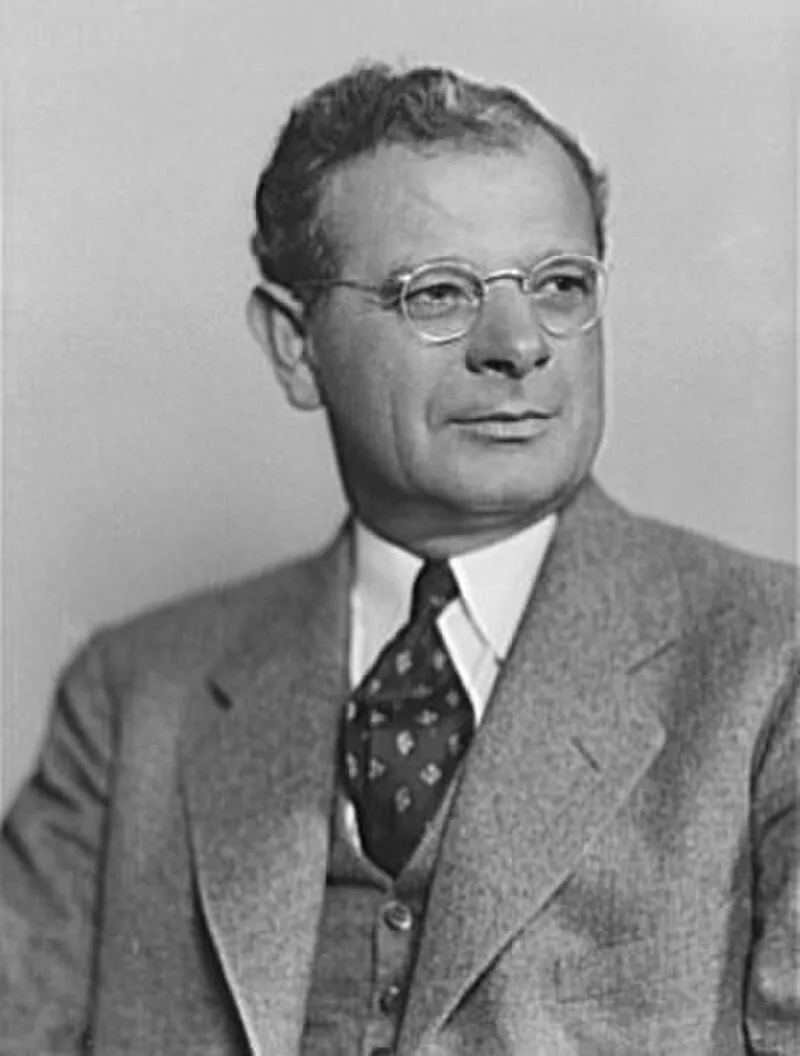 Photo of Sidney Hillman, via Wikidata/Wikimedia Commons
Meanwhile, Henry Ford was facing a different problem entirely. His assembly lines were so efficient that his workers could afford the cars they were building, but they had no time to drive them. Ford realized something that would reshape American capitalism: leisure time created consumers.
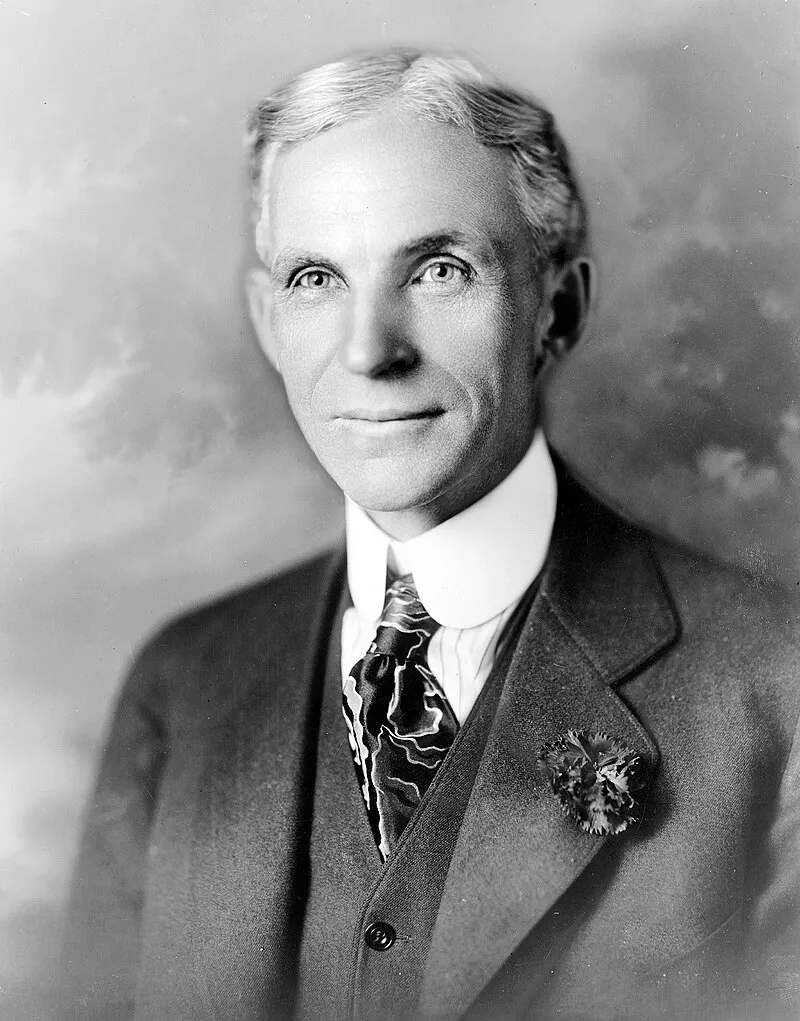 Photo of Henry Ford, via Wikidata/Wikimedia Commons
The Experiment That Shocked America
In 1926, Ford made an announcement that sent shockwaves through American industry. His company would switch to a five-day, 40-hour workweek—without cutting wages. Business leaders called him crazy. The Wall Street Journal predicted economic disaster.
Ford's reasoning was ruthlessly practical: "People who have more leisure must have more clothes. They must have more food. They must have more of everything. They will consume more, and consuming more, they will provide more employment."
Hillman, meanwhile, was organizing strikes and negotiations across the textile industry, pushing for similar arrangements. What seemed impossible suddenly had momentum from both sides of the labor divide.
The Domino Effect Nobody Saw Coming
Within five years, Ford's productivity actually increased. His well-rested workers made fewer errors, missed fewer days, and stayed with the company longer. More importantly, they were buying cars—Ford cars.
Other companies, initially resistant, began to notice something strange. Industries that adopted shorter workweeks weren't collapsing—they were thriving. Workers with Saturday off were spending money on entertainment, travel, home improvement, and hobbies that barely existed before.
The Birth of the American Weekend
By the 1930s, the five-day workweek was spreading across America, accelerated by New Deal labor policies. But the real transformation went far beyond work schedules.
Saturday became America's shopping day. Families who had never had time together began taking weekend trips. Sports leagues exploded as both participants and spectators finally had time for games. The concept of "hobbies" entered mainstream American life.
The weekend created entire industries. Movie theaters, which had struggled to fill seats during weekday matinees, found gold in Saturday night crowds. Department stores discovered that well-rested shoppers with disposable time spent more money. Restaurants, gas stations, and hotels all benefited from Americans who suddenly had somewhere to go and time to get there.
The Cultural Revolution
What Ford and Hillman couldn't have predicted was how profoundly the weekend would reshape American identity. The idea that work should have boundaries—that life existed beyond productivity—became a cornerstone of American middle-class values.
Families began planning around weekends. Children expected Saturday activities. The Sunday drive became an American ritual. Even the concept of "casual clothes" emerged because Americans finally had time when they didn't need to look professional.
The Modern Weekend Economy
Today, weekend spending drives massive portions of the American economy. From youth sports leagues to home improvement stores, from restaurants to streaming services, entire business models depend on Americans having two days off.
The travel industry, worth hundreds of billions annually, exists largely because of weekend getaways and extended weekend trips. The restaurant industry sees its highest revenues Friday through Sunday. Even online shopping peaks on weekends when people have time to browse.
The Unexpected Legacy
Ford got his consumer revolution—Americans now spend their leisure time buying things. Hillman got his worker protections—the weekend became so fundamental to American life that attempting to eliminate it would be political suicide.
But they created something neither anticipated: the idea that Americans deserve time to pursue happiness, not just productivity. The weekend didn't just change when we work—it changed how we think about why we work.
In a nation built on the Protestant work ethic, two men with very different backgrounds accidentally created space for the American dream to include actual living, not just earning. The weekend remains one of the most successful labor reforms in American history, precisely because it proved that giving workers more life made everyone richer.