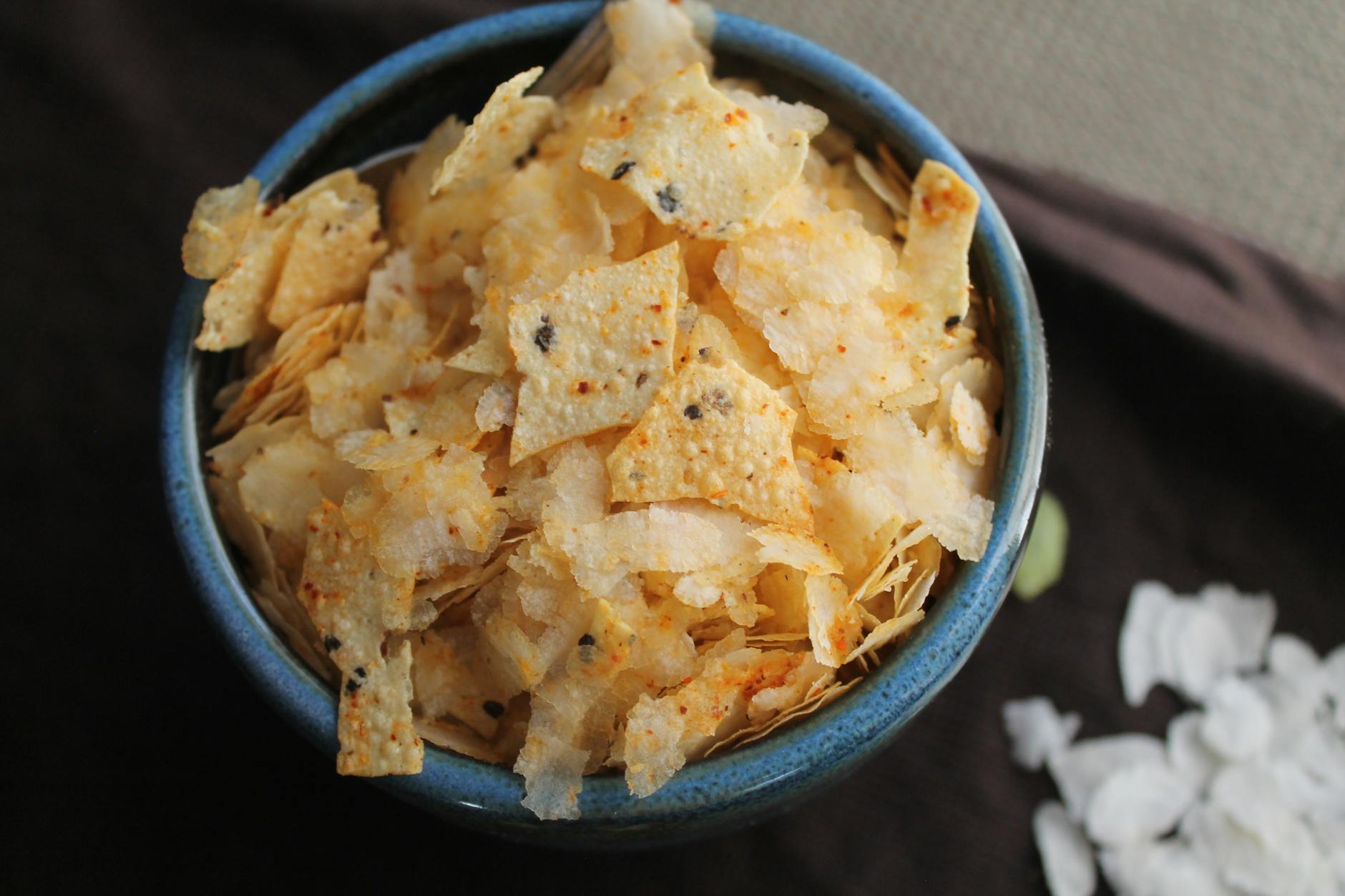
Revenge on a Plate: How One Chef's Spite Invented America's Favorite Snack
There's a version of history where the potato chip never exists. No Super Bowl snack bowls overflowing with Lay's. No gas station wall lined with crinkle-cut options. No late-night couch ritual involving a family-size bag and a TV remote. All of it almost didn't happen — and the reason it did has everything to do with a bruised ego in a upstate New York kitchen.
The Night a Complaint Went Too Far
It was the summer of 1853 at Moon's Lake House, a fashionable resort restaurant in Saratoga Springs, New York. A guest — often identified in historical accounts as railroad tycoon Cornelius Vanderbilt, though some historians debate this — sent his fried potatoes back to the kitchen. Too thick, he said. Too soggy. Not good enough.
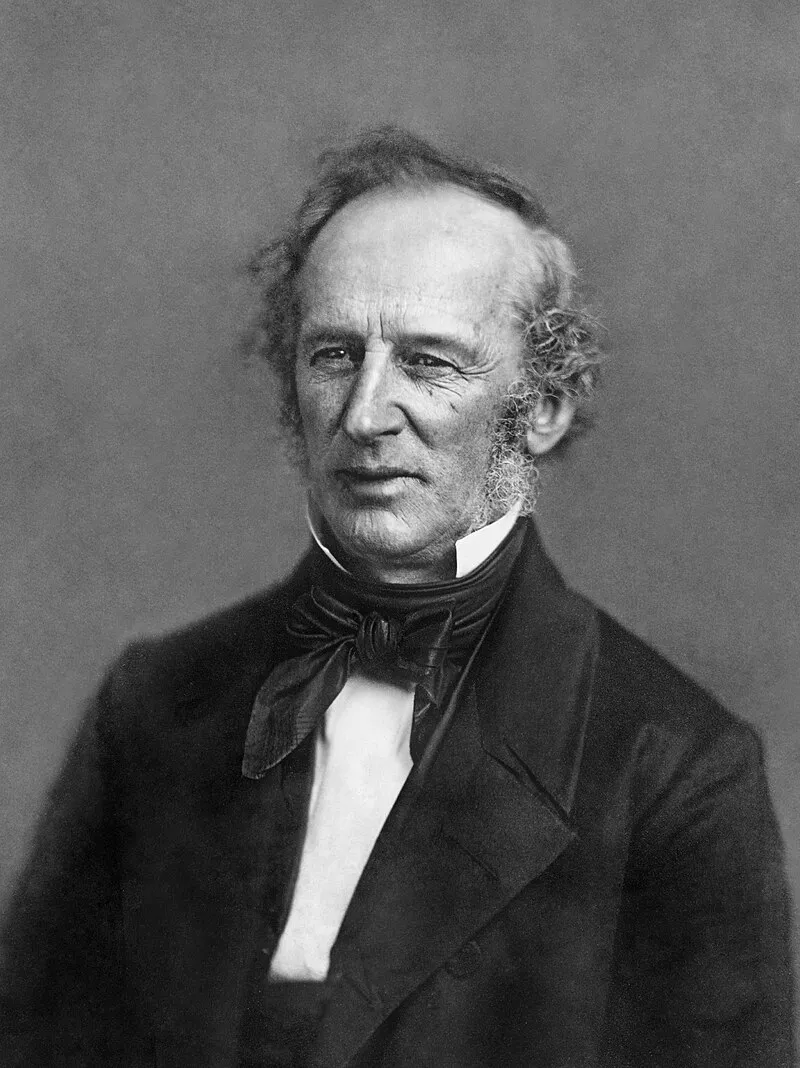 Photo of Cornelius Vanderbilt, via Wikidata/Wikimedia Commons
The chef, a man named George Crum, was not the kind of person who took criticism quietly. Crum, who was of mixed Native American and African American descent and had built a reputation as one of the finest cooks in the region, reportedly took the complaint as a personal insult. So he decided to teach the customer a lesson.
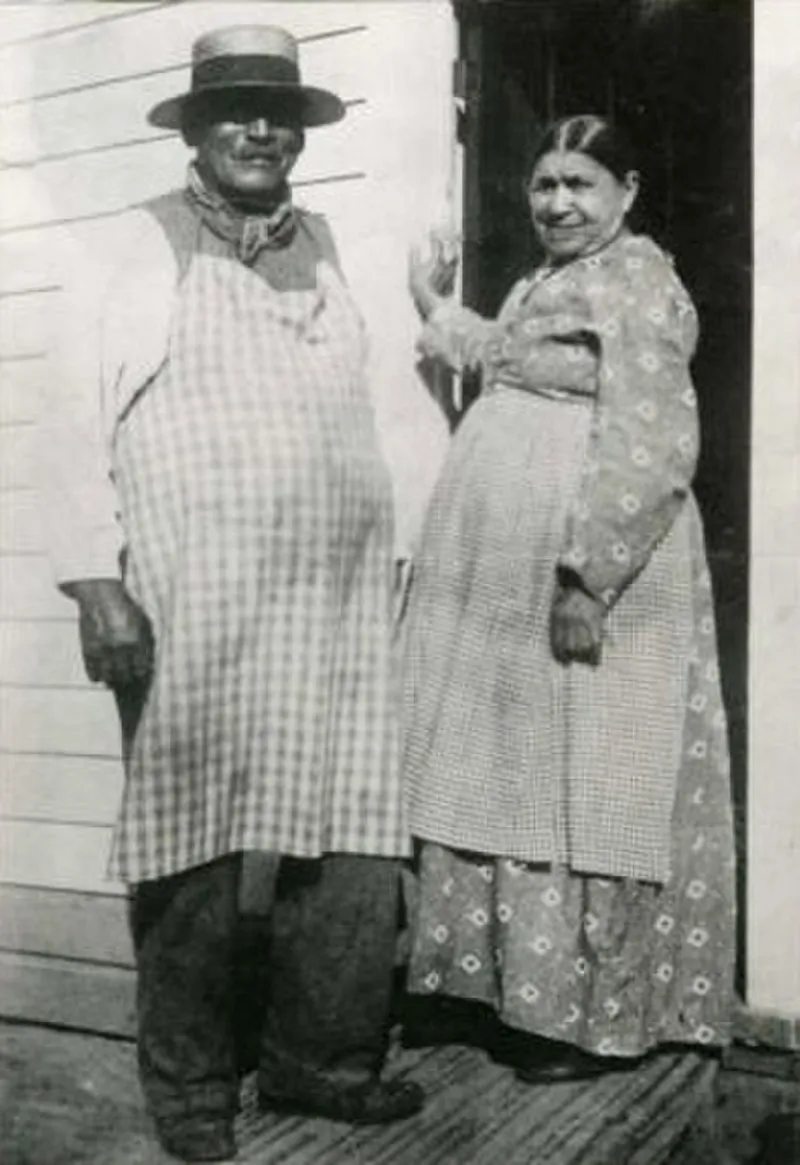 Photo of George Crum, via Wikidata/Wikimedia Commons
He sliced a fresh batch of potatoes as thin as he possibly could — almost translucent — fried them until they were stiff and brittle, and buried them under so much salt they'd be impossible to eat. His plan was to send out something so extreme, so over-corrected, that the guest would have nothing left to complain about.
It backfired completely. The customer loved them. Other diners wanted them. By the end of the summer, "Saratoga Chips" had become the most talked-about item on the menu.
From Restaurant Novelty to Kitchen Staple
For the next several decades, the potato chip lived the life of a regional delicacy. Saratoga Chips spread through upscale restaurants along the East Coast, but they were still a sit-down experience — served fresh, consumed immediately, and completely dependent on a kitchen nearby.
The chip's transformation into a mass-market product hinged on one major problem: air. Freshly fried chips go stale almost immediately when exposed to it, which made shipping and storing them basically impossible. For years, that single flaw kept the chip from leaving the restaurant world.
The breakthrough came in the early 1920s, and it came from a woman named Laura Scudder, a California entrepreneur who reportedly had her employees iron wax paper into bags, fill them with chips, and seal them shut. It was a simple, almost obvious solution — but nobody had done it quite that way before. Suddenly, chips could travel. They could sit on a shelf. They had a shelf life.
Around the same time, a traveling salesman named Herman Lay was building a distribution network across the South, hand-delivering bags of chips from the trunk of his car. His hustle eventually became Lay's, which merged with the Frito Company in 1961 to form Frito-Lay — still the dominant force in American snack food today.
The Bag Becomes the Brand
Once packaging solved the freshness problem, the chip industry exploded. By the 1950s, potato chips were the fastest-growing snack food in the country. Brands multiplied. Flavors followed. Ruffles introduced ridges in 1958, marketed specifically as sturdier for dipping. Pringles arrived in 1968 with a uniform saddle shape and a tennis-ball-style canister designed for stacking — a product so engineered that Procter & Gamble once had to legally argue it wasn't technically a potato chip to avoid certain UK taxes.
The flavor arms race kicked into high gear in the 1980s and never really stopped. Sour cream and onion. Barbecue. Salt and vinegar. Jalapeño. Today, there are hundreds of flavors on American shelves, and limited-edition releases generate genuine online buzz. What started as a chef's act of culinary defiance had become a multi-billion dollar industry built on the premise that thin, salty, and crunchy is basically irresistible.
Why the Origin Still Matters
The story of the potato chip is worth revisiting not just because it's entertaining — though it absolutely is — but because it's a perfect example of how accidental invention actually works. It wasn't a lab. It wasn't a corporate R&D team. It was frustration, creativity, and a split-second decision in a hot kitchen that happened to produce something people couldn't get enough of.
George Crum never patented his creation. He eventually opened his own restaurant, where Saratoga Chips remained a signature item, but he never saw a cent of the fortune that would eventually be built on his moment of spite. History has a habit of doing that — letting the inventor walk away while the industry runs with the idea.
Next time you reach into a bag of chips without thinking about it, consider that the whole thing started because someone dared to send their food back. And because one chef decided that if they wanted thin, he'd give them thin.
He had no idea he was about to feed a nation.