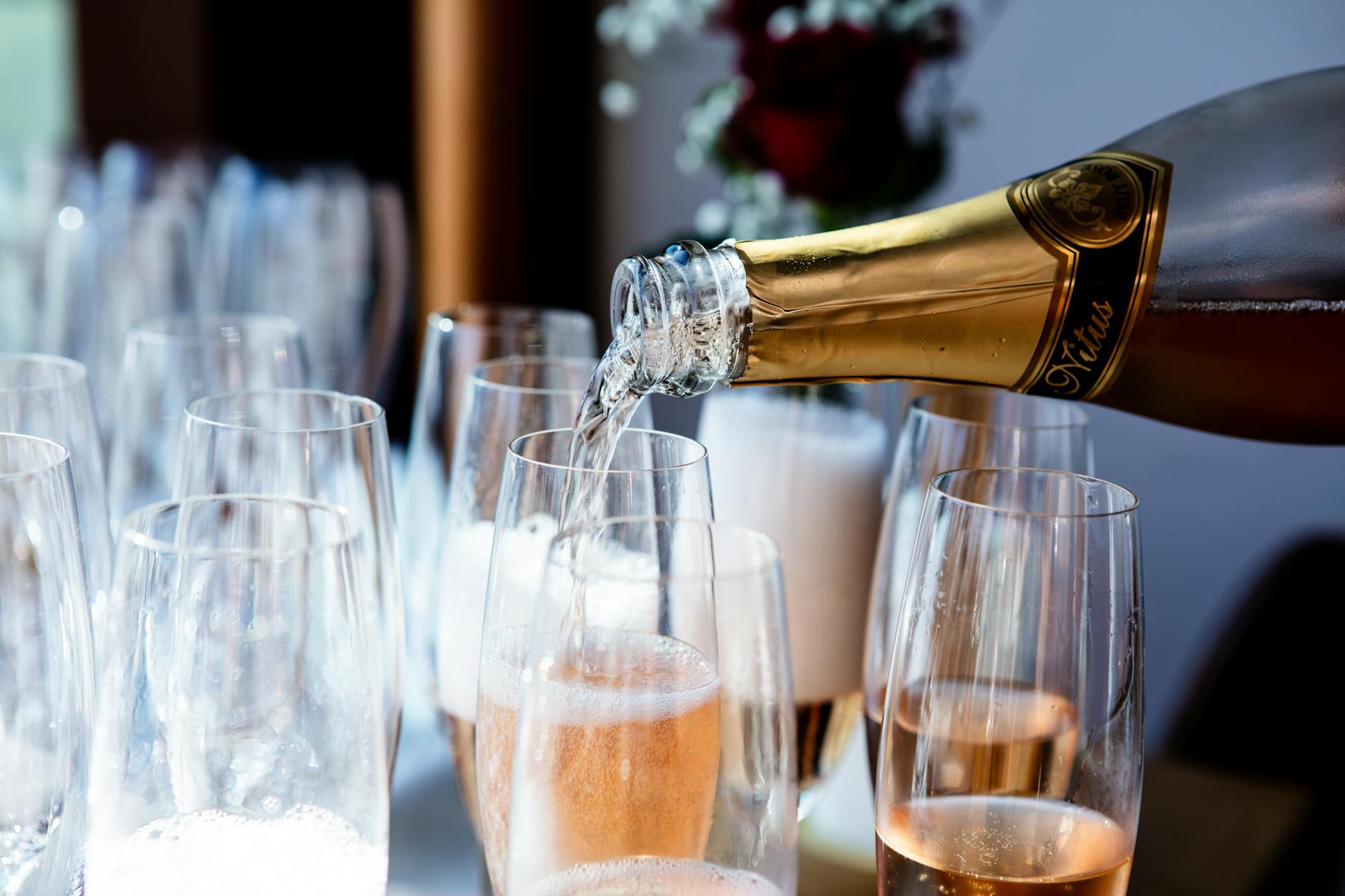
Think about the last wedding you attended. At some point during the reception, someone stood up, tapped a glass, cleared their throat, and delivered a speech that ended with everyone raising a drink and clinking against their neighbor's. You did it without hesitation. Everyone did. It felt natural, even obligatory.
But here's the thing — almost nobody in that room could tell you why.
The wedding toast is one of the most universally performed rituals in American social life, repeated at millions of celebrations every year, and its origins are genuinely strange. We're talking ancient superstition, medieval paranoia, and a piece of burnt bread floating in a wine glass. Stick with us.
It Started With the Greeks (and a Lot of Anxiety)
The earliest roots of the drinking toast stretch back to ancient Greece, and they weren't about celebration at all — they were about survival. Sharing a drink with someone carried real risk in the ancient world, and not just from bad wine. Poisoning was a legitimate concern at social gatherings, particularly among the wealthy and politically connected.
The Greek solution was communal pouring. A host would drink from the same vessel as his guests, demonstrating that the wine wasn't laced with anything lethal. It was less a gesture of warmth and more a live safety demonstration. Over time, as the ritual became more formalized, it evolved into something closer to a pledge — a shared drink that signified trust, alliance, and goodwill.
The Romans carried the tradition forward and added their own spin. Roman banquets frequently included formal drinking dedications to the gods, to the emperor, or to the health of a guest of honor. The phrase "to your health" — still the default toast in many languages today — has its roots in this Roman practice.
The Clinking Problem
So where does the glass-clinking part come in? The most widely repeated explanation is that it was another poison-prevention measure, this time from medieval Europe. The theory goes that by forcefully clinking two glasses together, wine would slosh from one cup into the other — meaning if one drink was poisoned, both parties were now equally at risk. A shared fate, essentially, as a deterrent.
Historians argue about how literally true this is, but the behavior was clearly common enough that it became ritualized. There's also a parallel theory rooted in superstition rather than chemistry: the sound of clinking glasses was believed to drive away evil spirits. Church bells scared off demons, the logic went, so why not the sharp ring of crystal? Either way — practical safety measure or spiritual protection — the clink became part of the package.
Eye contact during the toast, a rule many Americans still take seriously, carries its own murky history. In some European traditions, failing to meet someone's gaze while clinking glasses was considered deeply disrespectful, even a sign of dishonesty. In France, the superstition persists that breaking eye contact during a toast brings seven years of bad luck in the bedroom — which tends to make people pay attention at dinner parties.
The City That Named the Whole Thing
Here's the part that genuinely surprises most people: the word "toast" itself has nothing to do with celebration. It comes from the city of Bath, England, and it involves actual toast — the bread kind.
The story, which dates to the early 1700s and was recorded in the British publication The Tatler, describes a beautiful woman bathing in the public waters of Bath while a crowd of admirers watched from the surrounding area. One particularly smitten gentleman reportedly scooped up a glass of the bathwater and drank to her health. A bystander joked that he had no interest in the liquid itself but would happily go for the "toast" — referring to the seasoned, charred bread that was commonly dropped into wine glasses at the time to improve the flavor and absorb sediment.
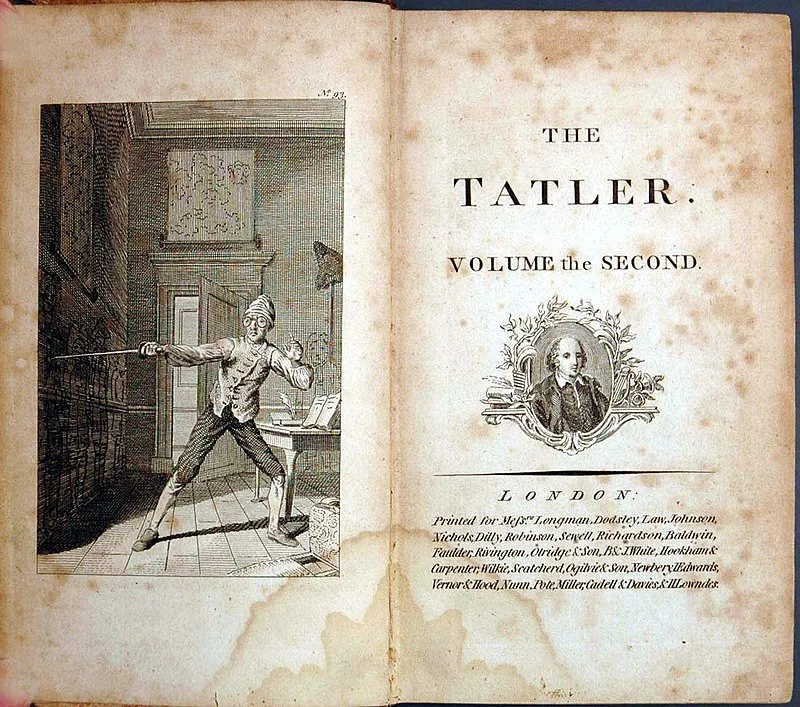 Photo of The Tatler, via Wikidata/Wikimedia Commons
The implication was that the woman herself was the flavoring — the thing that made the drink worth having. The joke stuck, the metaphor spread, and within a generation, the act of drinking in someone's honor had acquired the name "toast," completely detached from its original bread-in-wine context.
How It Became an American Wedding Staple
The formal wedding toast as Americans know it — the best man speech, the raised glasses, the "to the happy couple" — solidified largely in the 19th and early 20th centuries as wedding ceremonies became more elaborate social events. Emily Post, the doyenne of American etiquette, helped standardize the format in her wildly influential 1922 guide, which laid out who should speak, in what order, and what was considered appropriate.
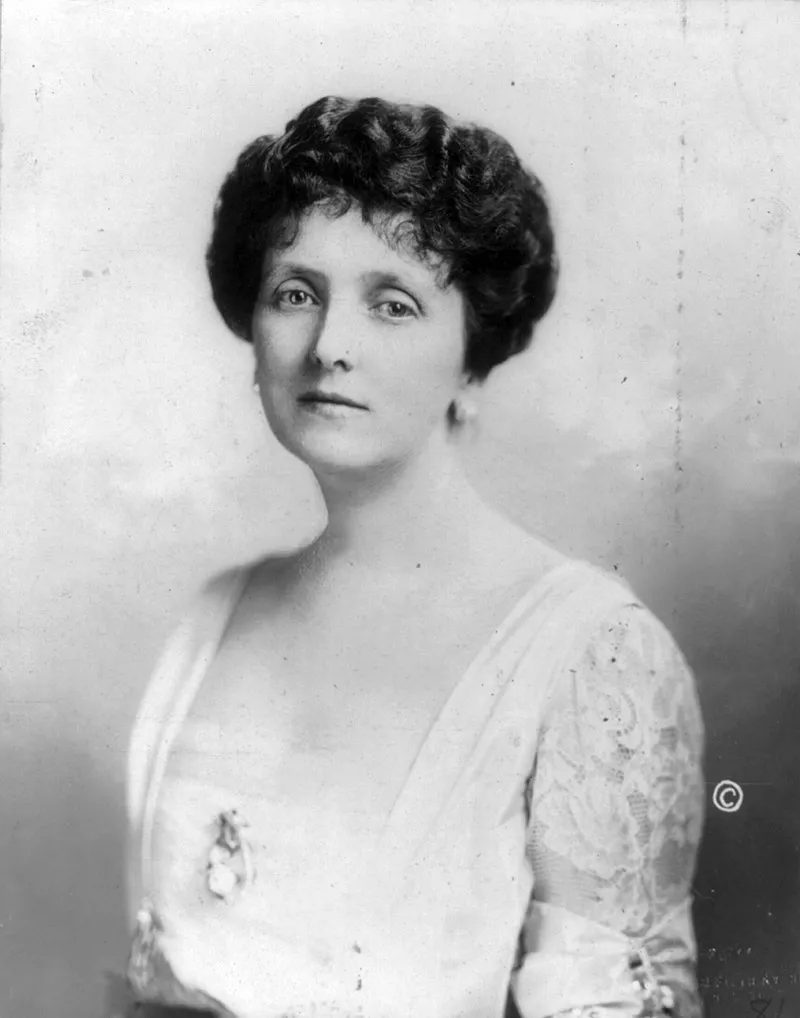 Photo of Emily Post, via Wikidata/Wikimedia Commons
By the mid-20th century, the wedding toast was simply expected. Television reinforced it. Movies romanticized it. The best man's speech became a comedic set piece in countless films, cementing the ritual in the cultural imagination even for people who'd never attended a formal wedding.
Today, the tradition continues to evolve. Maid of honor toasts have become just as common as best man speeches. Couples write toasts to each other. Parents speak. Friends who aren't in the wedding party grab the microphone anyway. The clinking, the eye contact, the sip that follows — all of it persists, generation after generation, largely because everyone around the table is doing the same thing.
A Ritual Worth Knowing
The next time you raise a glass at a wedding, you're participating in something that stretches back over two thousand years — through Greek banquet halls, Roman dedications, medieval courts, and a bathing pool in 18th-century England. The gesture has outlasted empires, absorbed a dozen different meanings, and arrived at your table in a form that would be completely unrecognizable to the people who started it.
That's the thing about the oldest traditions. We keep doing them long after we've forgotten why we started. And sometimes, the why turns out to be weirder and more interesting than the thing itself.