The Great Elevator Deception
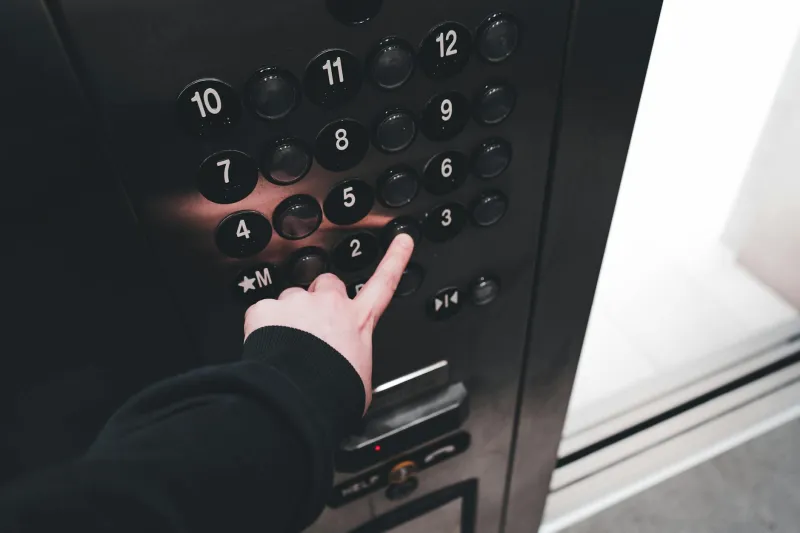
Every day, millions of Americans step into elevators and instinctively reach for the same button: 'close door.' They press it with the confidence of someone who believes they're taking control of their vertical journey. In reality, they're pushing a piece of plastic that does absolutely nothing.
In most American elevators built or retrofitted since 1990, the close door button has been quietly disconnected, rendered as functional as a steering wheel on a roller coaster. Yet there it sits, gleaming and inviting, waiting for the next person who thinks they can make the doors close faster.
This isn't a malfunction or oversight—it's an intentional design choice that reveals something fascinating about how we interact with technology in everyday life.
When Buttons Actually Worked
Elevator close door buttons weren't always decorative. In the early days of automated elevators, these buttons served a legitimate purpose: allowing passengers to override the standard door timing and close the doors manually when everyone was aboard.
The system worked fine in the 1960s and 70s, when elevator traffic was lighter and building codes were simpler. Passengers could genuinely speed up their trips by taking control of door timing, and the buttons provided a sense of agency in an otherwise automated experience.
But this apparent efficiency created an unexpected problem: the buttons gave some people too much control.
The Law That Changed Everything
The Americans with Disabilities Act of 1990 fundamentally altered elevator design, though most people never noticed the change. The ADA requires elevator doors to remain open for a minimum amount of time—typically 5 to 20 seconds, depending on the building—to ensure that people with mobility challenges have adequate time to enter and exit safely.
 Photo: Americans with Disabilities Act, via www.shutterstock.com
This mandatory delay made close door buttons problematic. If passengers could override the timing, they might inadvertently create barriers for disabled users. Rather than redesign elevator control systems entirely, manufacturers chose a simpler solution: they left the buttons in place but disconnected their function.
The result was a generation of elevators with fake controls that passengers continue to use daily, completely unaware of their meaninglessness.
The Psychology of Fake Control
Elevator manufacturers discovered something remarkable when they studied passenger behavior after deactivating close door buttons: people kept pressing them anyway, and most reported feeling satisfied with the response.
This phenomenon, known as the "placebo button effect," reveals how desperately humans crave the illusion of control, even in situations where control is impossible or undesirable. The simple act of pressing a button provides psychological comfort, regardless of whether the button actually influences outcomes.
Similar fake controls exist throughout American infrastructure. Many crosswalk buttons in major cities are similarly disconnected, with traffic light timing controlled entirely by automated systems. Yet pedestrians continue pushing them, finding comfort in the ritual of attempted control.
The Economics of Deception
Removing close door buttons entirely would cost elevator manufacturers millions in redesign and retooling expenses. More importantly, it would force them to explain to building owners and passengers why a seemingly useful feature was being eliminated.
Instead, the industry chose elegant deception: maintain the familiar interface while quietly changing its function. This approach satisfied regulatory requirements without disrupting user expectations or requiring expensive education campaigns.
The strategy worked perfectly. Most Americans remain unaware that their elevator buttons are fake, and those who do learn the truth often continue pressing them anyway.
The Rare Exceptions
Close door buttons aren't universally fake. In some newer buildings, they function normally during off-peak hours but become disabled during busy periods to maintain ADA compliance. In freight elevators and some residential buildings, the buttons often work as originally intended.
Firefighters and maintenance personnel typically carry special keys that activate all elevator controls, including close door buttons, for emergency situations. These exceptions prove that the technology still works—it's simply been intentionally disabled for most users.
What It Reveals About Modern Life
The persistence of fake elevator buttons illustrates a broader truth about how Americans interact with technology: we often prefer the comforting illusion of control over the honest acknowledgment of automation.
This preference extends beyond elevators to everything from thermostats in office buildings (often controlled centrally regardless of individual adjustments) to steering wheels in some subway systems (decorative remnants from when operators manually controlled trains).
The close door button represents a perfect metaphor for modern American life: we're surrounded by interfaces that promise control but deliver compliance, systems that feel interactive but operate according to rules we don't understand.
Next time you step into an elevator, notice whether you instinctively reach for that familiar button. Remember that you're participating in one of the most widespread acts of collective self-deception in American daily life—and that somehow, pressing a button that does nothing still feels better than pressing no button at all.
 Photo: Eiffel Tower, via wallpapercave.com