The Gadget That Made Executives Sweat
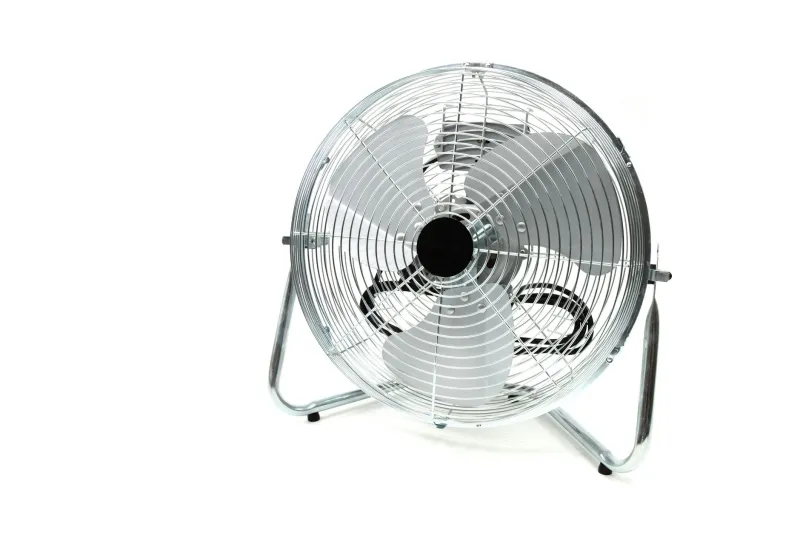
Picture this: It's 1882, and you're sitting in a stuffy New York boardroom trying to convince investors that people will pay good money for a machine that does nothing but blow air around. That's exactly what happened to Schuyler Wheeler, a 22-year-old engineer who had just created something he called an "electric fan."
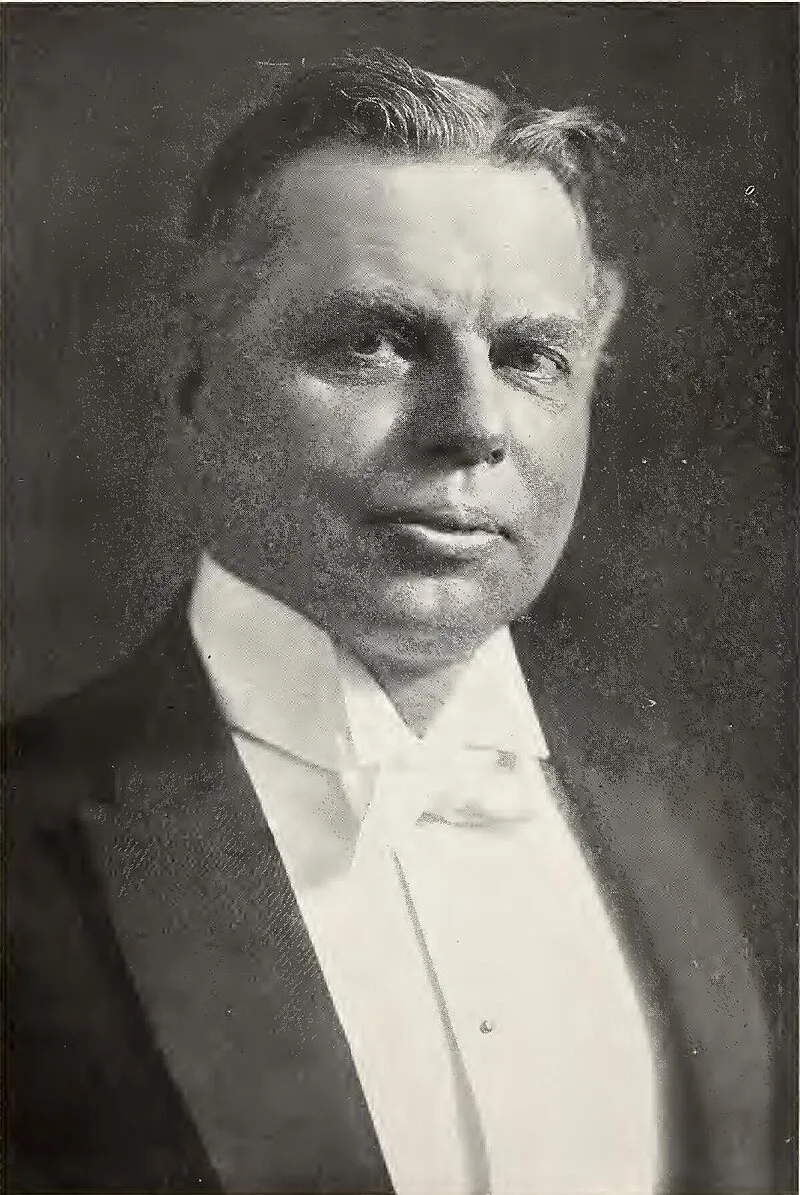 Photo of Schuyler Wheeler, via Wikidata/Wikimedia Commons
The response? Polite laughter and firm rejections.
"Why would anyone pay for artificial wind when they can open a window?" investors asked. "This is a luxury item for the wealthy at best," they concluded. Wheeler's two-blade desk fan — barely recognizable as the ancestor of every ceiling fan spinning above American heads today — seemed destined for the scrap heap of history.
But those boardroom executives had never spent a summer night in a Lower East Side tenement.
When Opening Windows Wasn't Enough
By the 1880s, American cities were becoming pressure cookers. Massive waves of immigration packed families into airless tenement buildings where "opening a window" meant letting in the smell of horse manure, industrial smoke, and your neighbor's cooking. Urban heat islands were forming as concrete and brick absorbed summer sun, making cities several degrees hotter than the surrounding countryside.
Meanwhile, the new electric grid was spreading through American cities like wildfire. Thomas Edison's Pearl Street Station had just started commercial operations in Manhattan, and electric lighting was becoming the must-have technology for businesses and wealthy households.
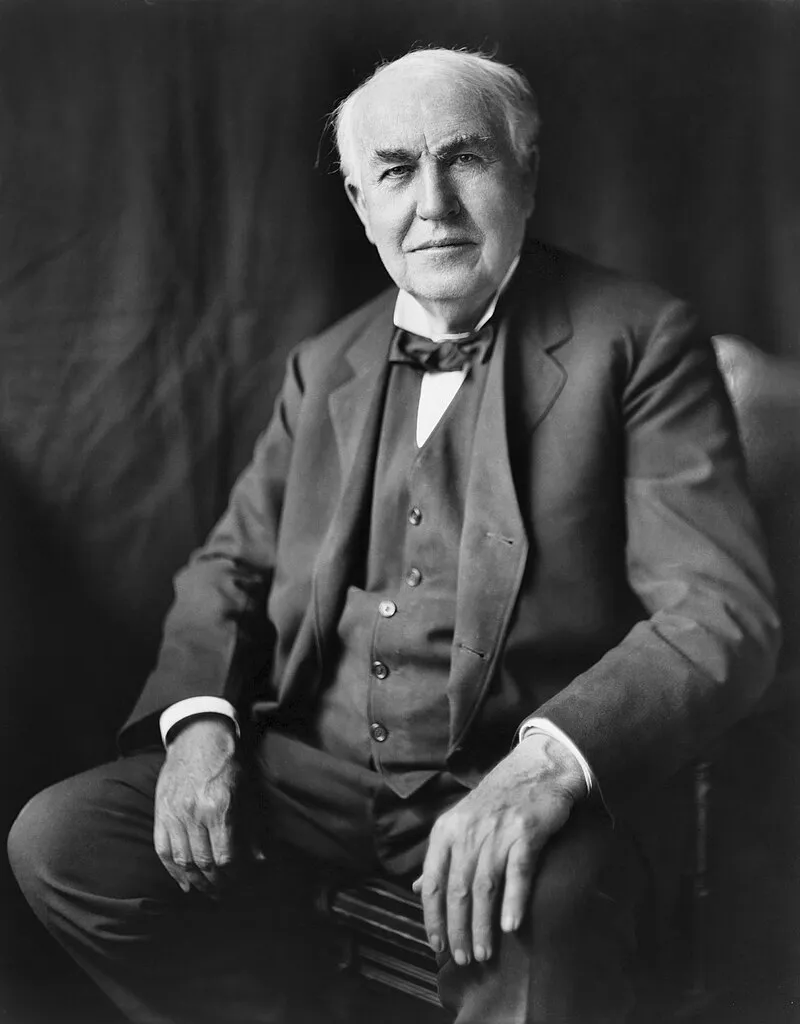 Photo of Thomas Edison, via Wikidata/Wikimedia Commons
Wheeler saw an opportunity that the suits in boardrooms missed: electricity wasn't just about replacing candles. It could move air.
The Unlikely Partnership That Changed Everything
What happened next reads like an accidental business plan. Wheeler couldn't find a manufacturer willing to mass-produce his fan, but he did find something better: a partnership with the very electrical companies that were wiring America.
Electric utilities had a problem. Their expensive new power plants sat mostly idle during daylight hours when businesses didn't need electric lighting. They desperately needed daytime customers to make their operations profitable. Wheeler's fan offered a solution — a device that people would actually want to run during the hottest part of the day.
The Crocker-Wheeler Electric Company (formed when Wheeler partnered with Frank Crocker) began manufacturing fans not as standalone products, but as part of complete electrical packages for businesses and upscale homes. Suddenly, the "useless luxury" became a practical demonstration of electricity's potential.
From Boardroom Joke to American Necessity
The transformation didn't happen overnight. Through the 1890s, electric fans remained expensive curiosities. A basic desk fan cost about $125 — roughly $4,000 in today's money. They were conversation pieces in bank lobbies and hotel restaurants, not household essentials.
But as electric power became cheaper and more reliable, something remarkable happened. Working-class Americans began pooling resources to buy fans for their neighborhoods. Barbershops installed them to attract customers on sweltering days. Factories discovered that workers with fans were more productive and less likely to collapse from heat exhaustion.
By the 1920s, mass production had driven prices down to where middle-class families could afford them. The electric fan had evolved from rejected novelty to American summer staple in less than four decades.
The Design That Defied Improvement
Here's the truly weird part: Wheeler's basic concept has barely changed. Modern fans still use his fundamental design — rotating blades powered by an electric motor to move air across people's skin. Despite billions spent on research and development, nobody has found a dramatically better way to cool people down with electricity.
Sure, we've added remote controls, variable speeds, and fancy blade shapes. We've stuck fans on ceilings, made them oscillate, and painted them in designer colors. But strip away the bells and whistles, and you're looking at essentially the same machine that Wheeler demonstrated to skeptical investors in 1882.
Engineers have tried everything: bladeless fans, ionic air movers, even fans that spray fine mist. Nothing has displaced the spinning blade as the most efficient way to move air. Wheeler accidentally stumbled onto one of those rare perfect solutions — simple, effective, and nearly impossible to improve upon.
The Sound of Summer
Today, Wheeler's rejected patent lives on in the gentle whir of ceiling fans in every American bedroom, the oscillating hum of tower fans in living rooms, and the steady drone of window units working overtime in July. His contraption that "nobody wanted" now moves air in an estimated 85% of American homes.
Every summer, as temperatures climb and electric grids strain under air conditioning demand, millions of Americans reach for the same solution Wheeler proposed 140 years ago: a simple machine that moves air across skin to create the illusion of coolness.
The next time you flip on a fan during a sweltering afternoon, remember that you're using technology that was once considered too ridiculous to manufacture. Sometimes the best ideas are the ones that make executives sweat in boardrooms — right before they realize they need what you're selling.