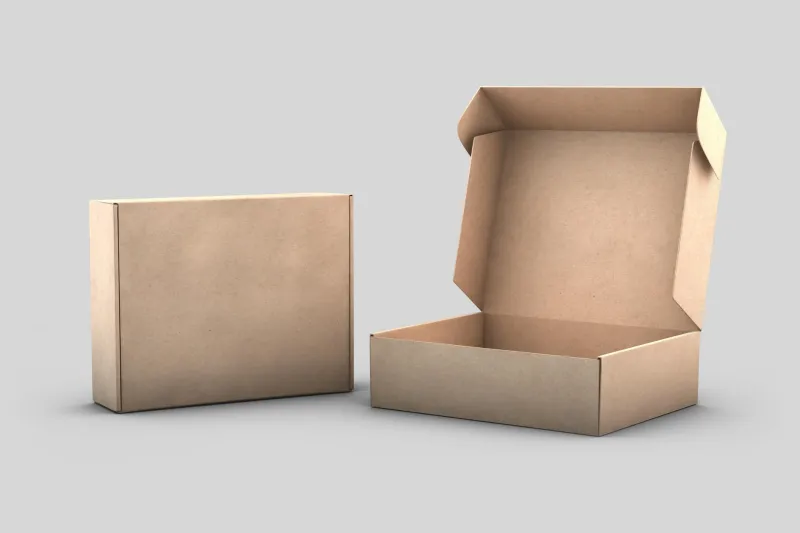
Every day, millions of cardboard boxes arrive on American doorsteps. Amazon alone delivered over 5 billion packages in 2023, most of them in those familiar brown corrugated containers. But rewind to the 1880s, and you'd find a very different story. Back then, cardboard boxes were considered cheap, flimsy packaging suitable only for lightweight items like hats or delicate fabrics. Nobody imagined they'd one day carry everything from refrigerators to groceries across the country.
The transformation began in Battle Creek, Michigan, where two brothers were about to accidentally revolutionize packaging forever.
When Cereal Needed a New Home
In 1894, Will Keith Kellogg and his brother John Harvey were running the Battle Creek Sanitarium, a health resort where they served their patients specially developed grain-based foods. Among these was a crunchy breakfast cereal they called "Granose" — thin flakes of wheat that patients seemed to enjoy.
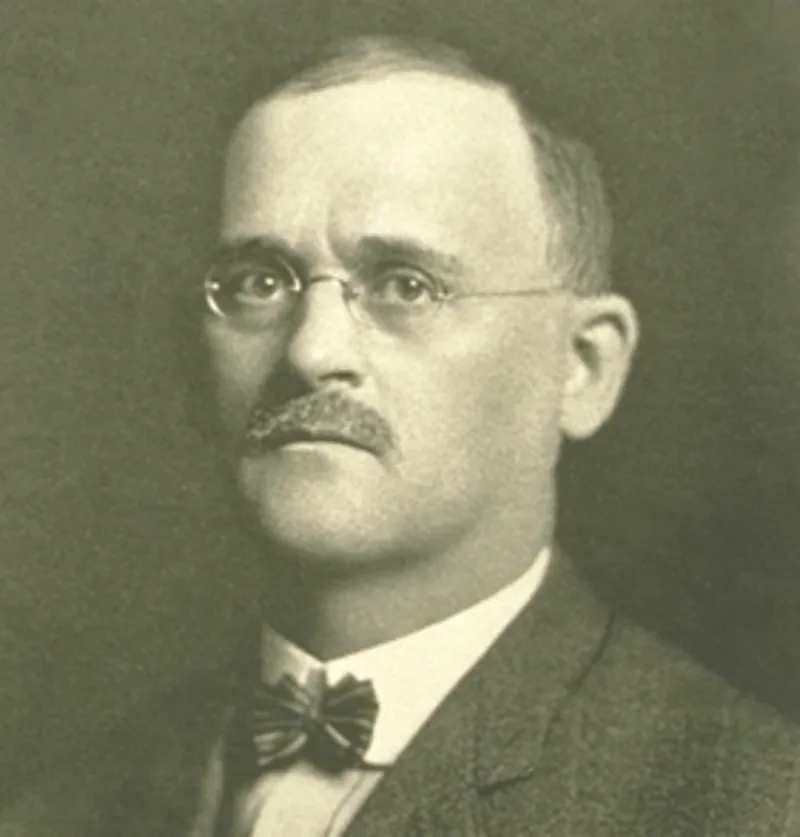 Photo of Will Keith Kellogg, via Wikidata/Wikimedia Commons
The problem was storage. Traditional food packaging of the era relied heavily on wooden crates, metal tins, or cloth sacks. Wooden crates were expensive and bulky. Metal tins cost too much for a breakfast food they wanted to sell cheaply. Cloth sacks let moisture in, turning their crispy flakes into soggy disappointments.
The Kellogg brothers needed something lightweight, moisture-resistant, and affordable. They turned to an unlikely solution: folded paperboard boxes.
The Packaging Revolution Nobody Saw Coming
At the time, most manufacturers viewed cardboard as suitable only for luxury items that needed gentle protection during short-distance shipping. The idea of using it for food — especially food that needed to stay fresh for weeks or months — seemed ridiculous.
But the Kelloggs discovered something interesting. When they lined their cardboard boxes with waxed paper and designed them with tight-fitting lids, the containers kept their cereal remarkably fresh. Even better, the boxes were light enough to ship economically via the expanding railroad network, yet sturdy enough to protect the contents during transport.
Their first major breakthrough came when they began selling Corn Flakes in 1906. Unlike their earlier products sold mainly to sanitarium patients, Corn Flakes were marketed to American families nationwide. The distinctive yellow cardboard box with its bold lettering became instantly recognizable on grocery store shelves.
From Breakfast Tables to Boardrooms
The success of Kellogg's cardboard packaging didn't go unnoticed. Other food manufacturers began experimenting with similar containers. Post Cereals, also based in Battle Creek, quickly adopted cardboard boxes for their competing breakfast products. Within a decade, companies selling everything from crackers to soap powder were discovering the advantages of folded paperboard packaging.
The real game-changer came during World War I. Metal shortages forced manufacturers to seek alternatives, and cardboard proved more than capable of handling the job. Companies that had previously dismissed cardboard as "cheap" packaging suddenly found themselves dependent on it.
By the 1920s, the corrugated cardboard box — with its distinctive wavy inner layer providing extra strength — had become the standard for shipping goods across America. What started as a solution for keeping cereal fresh had evolved into the backbone of American commerce.
The Modern Cardboard Empire
Today, the cardboard box industry generates over $20 billion annually in the United States alone. The average American household receives more than 160 packages per year, most arriving in cardboard containers that trace their lineage back to those first Kellogg's cereal boxes.
The e-commerce boom has only accelerated cardboard's dominance. Amazon's fulfillment centers process millions of cardboard boxes daily, each one a descendant of the packaging innovation that began with breakfast cereal in Michigan. The company has even developed its own cardboard box specifications, optimizing them for everything from shipping efficiency to customer experience.
The Unsung Hero of American Life
It's hard to imagine modern American life without cardboard boxes. They move our online purchases from warehouses to doorsteps. They help families relocate across the country. They store our holiday decorations and childhood memories in attics nationwide.
Yet most of us never think about their origin story — how two brothers trying to keep breakfast cereal fresh accidentally created the container that would revolutionize how America ships, stores, and sells virtually everything.
The next time a cardboard box arrives at your door, remember: you're looking at the result of a packaging revolution that started with cornflakes and transformed the way an entire nation does business. What began as a simple solution to soggy cereal became the foundation of modern American commerce, one folded piece of paperboard at a time.