Before Cake, There Was Bread and Honey
If you celebrated a birthday in colonial America, you might have received a piece of bread with honey and a brief prayer. That's it. No cake, no candles, no singing—just a modest acknowledgment that you'd survived another year in a world where making it to adulthood was far from guaranteed.
The elaborate birthday celebrations Americans consider normal today didn't exist until the mid-1800s, and they required a perfect storm of immigration, industrialization, and marketing to become the cultural institution we know.
The German Secret: Kinderfest
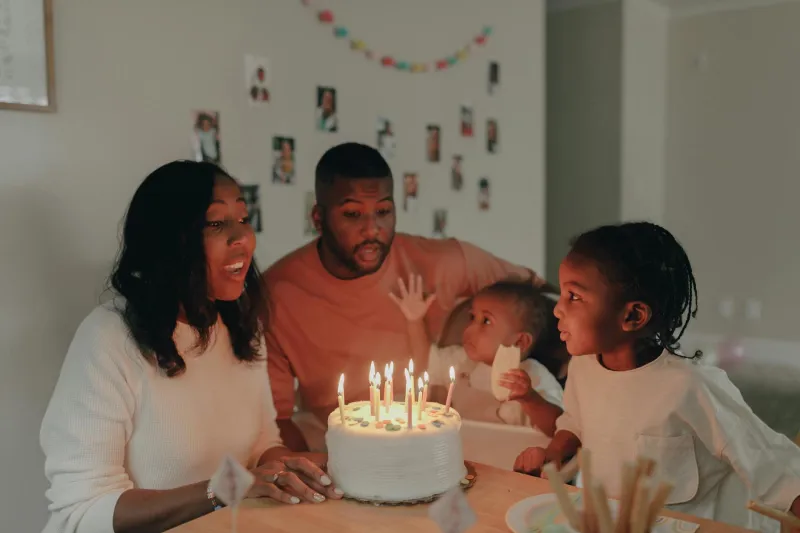
The foundation of American birthday tradition arrived with German immigrants in the 1840s and 1850s. In Germany, children's birthdays were celebrated with "Kinderfest"—a special day featuring a sweet bread or simple cake topped with candles. Each candle represented one year of life, plus an extra one "to grow on." The birthday child would make a wish and blow out all the candles at once.
But German birthday celebrations were modest affairs compared to what would develop in America. The "cake" was often closer to sweet bread, and the celebrations were primarily for children under age 12. Adult birthdays received little attention, and the whole tradition was considered a charming but minor family custom.
German-Americans began adapting their Kinderfest traditions to their new country, but several obstacles stood in the way of widespread adoption. Sugar was expensive, making elaborate cakes a luxury most families couldn't afford. Professional bakeries were rare outside major cities. Most importantly, many Protestant denominations considered elaborate birthday celebrations frivolous or even sinful.
Sugar, Railroads, and the Sweet Revolution
Everything changed in the 1870s when American sugar production exploded. The expansion of sugar beet farming in the Midwest and improved refining techniques made sugar affordable for middle-class families for the first time. Simultaneously, the railroad network allowed fresh ingredients to reach communities across the country, making baking more accessible.
Commercial bakeries began appearing in smaller towns, often run by German or Austrian immigrants who brought European cake-making techniques to American customers. These bakers discovered that Americans loved rich, heavily frosted layer cakes—much sweeter and more elaborate than traditional European birthday treats.
The timing was perfect. The post-Civil War economic boom created a growing middle class with disposable income and a desire to celebrate family milestones. Birthday parties became opportunities for families to display their prosperity and social status. The more elaborate the cake, the more successful the family appeared.
The Song That Conquered America
The final piece of the birthday puzzle came from an unexpected source: kindergarten teachers. In 1893, sisters Patty and Mildred Hill wrote a simple song called "Good Morning to All" for their students in Louisville, Kentucky. The melody was catchy and easy for children to remember.
Sometime in the early 1900s, someone—nobody knows exactly who—changed the words to "Happy Birthday to You." The song spread organically through schools, families, and communities. By the 1920s, it had become the unofficial soundtrack of American birthday celebrations.
The song's popularity was crucial because it standardized the birthday ritual. Previously, different families and regions had their own birthday customs. "Happy Birthday" created a shared national experience—everyone knew when to sing, what words to use, and when the birthday person should blow out the candles.
From Family Custom to Commercial Empire
The 1920s and 1930s saw birthday celebrations evolve from simple family gatherings to elaborate productions. Women's magazines published articles on proper birthday party etiquette. Department stores began selling birthday-themed decorations, plates, and party supplies. Bakeries competed to create increasingly ornate birthday cakes.
World War II temporarily scaled back birthday celebrations due to sugar rationing, but the post-war boom brought them back with unprecedented enthusiasm. Suburban families embraced birthday parties as important social events. Children's birthday parties became opportunities for parents to network and display their homemaking skills.
The 1950s introduced several innovations that cemented modern birthday tradition: boxed cake mixes made elaborate cakes accessible to non-bakers, birthday party supplies became widely available, and the growing emphasis on child-centered families made children's birthdays major household events.
The Billion-Dollar Birthday Industry
Today, Americans spend over $5 billion annually on birthday celebrations. The average child's birthday party costs more than $400, and adult milestone birthdays often involve even greater expenses. What began as a simple German custom has become a massive commercial enterprise involving cake decorators, party planners, entertainment companies, and gift retailers.
The basic elements remain unchanged from those 19th-century German immigrants: a special cake, candles representing years of life, a wish, and the communal singing of "Happy Birthday." But the scale and commercialization would be unrecognizable to those early Kinderfest celebrants.
Perhaps most remarkably, this "ancient" tradition is younger than baseball, the telephone, and the Statue of Liberty. The birthday cake ritual that feels timeless and universal is actually a distinctly American invention, created by combining immigrant traditions with industrial innovation and commercial marketing.
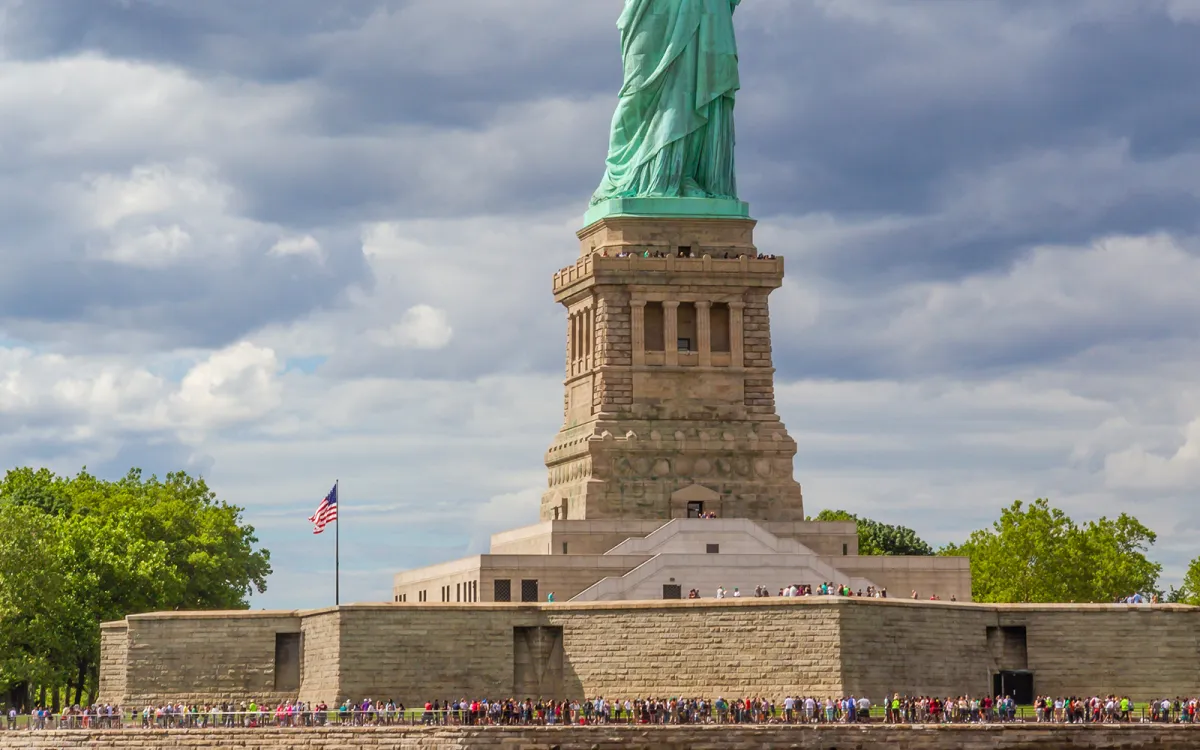 Photo: Statue of Liberty, via cdn-imgix.headout.com
Every time we sing "Happy Birthday" and watch someone blow out candles, we're participating in a cultural tradition that's barely 150 years old—a reminder that even our most cherished customs have surprisingly recent origins.