The Patent That Made Everyone Laugh
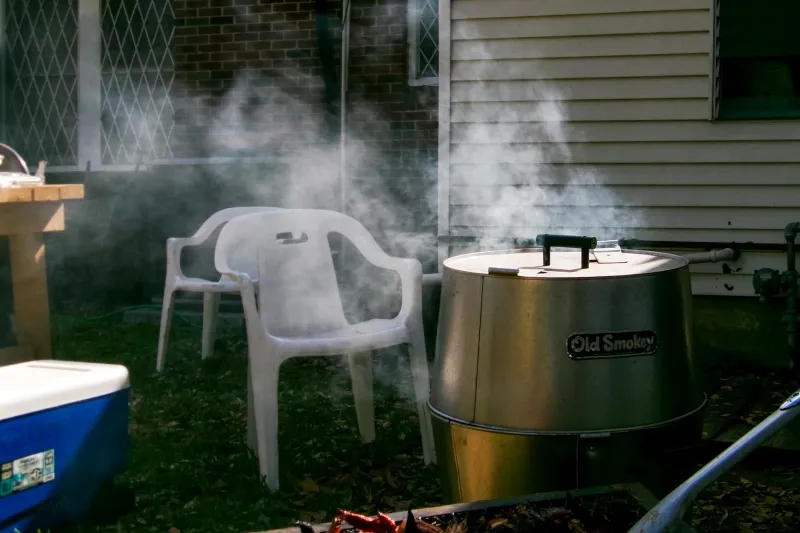
In 1907, Chicago meatpacker William Henderson walked into patent office filing number 847,291 with what he was certain would revolutionize American cooking. His "portable outdoor meat preparation apparatus" featured a metal box with adjustable grates, designed to let families cook outside their homes using charcoal or wood.
 Photo: William Henderson, via wow.zamimg.com
Every hardware store owner Henderson approached had the same reaction: laughter. Why would anyone want to cook outside when they had perfectly good stoves indoors? The contraption was heavy, smoky, and seemed to solve a problem that didn't exist.
Henderson's invention joined thousands of other forgotten patents in dusty filing cabinets, dismissed as the fantasy of an eccentric businessman who clearly didn't understand how normal families lived.
When War Changed Everything
Four decades later, Henderson's ridiculous idea suddenly made perfect sense, thanks to circumstances nobody could have predicted.
World War II had ended, flooding America with two crucial ingredients for a grilling revolution: surplus steel from decommissioned military equipment and millions of returning soldiers who'd spent years cooking over open fires in military camps. These men had grown comfortable with outdoor cooking out of necessity, and many actually missed the social ritual of gathering around a fire.
Meanwhile, American steel mills found themselves with massive stockpiles of metal that had been earmarked for tanks and battleships. Manufacturers desperately needed new products to keep their factories running, and Henderson's old patent offered an intriguing possibility.
The Suburban Laboratory
Postwar suburban development created the perfect testing ground for outdoor cooking. New houses came with spacious backyards but smaller kitchens, as families spent more time entertaining outdoors. The same economic boom that put cars in every driveway also gave families disposable income for leisure activities.
But early adopters faced significant challenges. The first mass-produced grills were essentially Henderson's original design with minor improvements, meaning they were still heavy, unpredictable, and produced inconsistent results. Many suburban pioneers burned more food than they successfully cooked.
The Marketing Masterstroke
The transformation from novelty item to cultural necessity happened thanks to an unlikely marketing campaign launched by Weber Brothers Metal Works in 1952. Instead of positioning grills as convenient cooking tools, they sold them as expressions of masculine expertise.
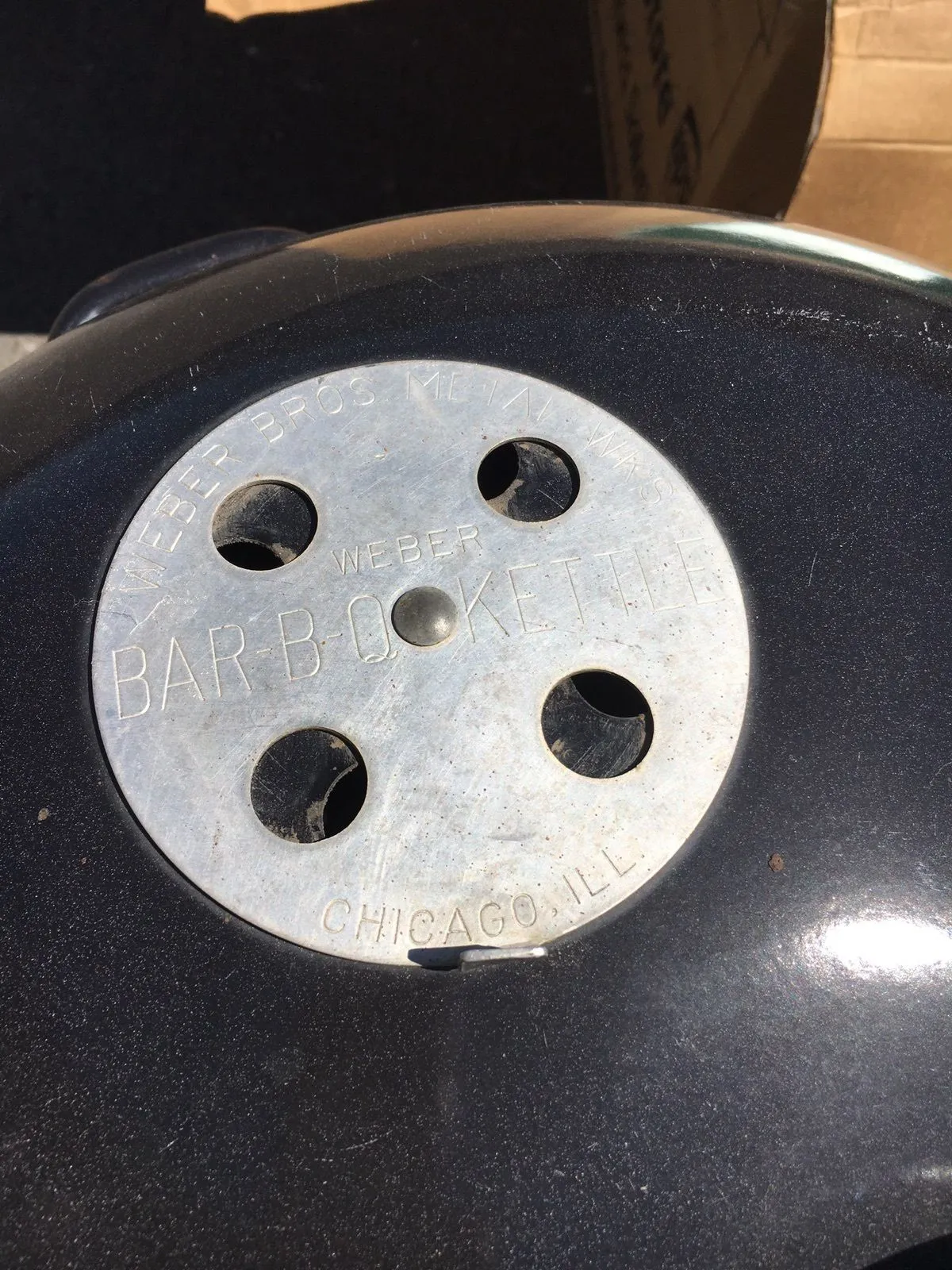 Photo: Weber Brothers Metal Works, via weberkettleclub.com
Their advertisements featured confident men in suburban settings, suggesting that mastering the grill was a skill that separated real men from those who relied on their wives' indoor cooking. The campaign worked because it offered returning veterans a way to demonstrate competence and leadership in their new civilian lives.
Weber's genius was recognizing that grilling wasn't really about the food—it was about creating a new kind of domestic theater where men could be the star performers.
The Social Revolution
By the 1960s, the backyard barbecue had evolved far beyond Henderson's utilitarian vision. Grilling became the centerpiece of a distinctly American form of entertaining that combined outdoor leisure, casual socializing, and performative cooking.
The ritual developed its own elaborate customs: the host's territorial protection of the grill, the guests' obligatory compliments about the meat, the careful timing of when to flip burgers. These social protocols transformed a simple cooking method into a complex cultural performance.
Suburban neighborhoods began organizing around grilling culture. Block parties centered on communal cooking, and the quality of a family's grill setup became a subtle indicator of social status.
The Modern Legacy
Today, Americans spend over $5 billion annually on outdoor grilling equipment, making Henderson's rejected invention one of the most successful product categories in retail history. The basic concept remains unchanged: a metal box with grates for cooking over open flame.
What Henderson couldn't have anticipated was how his practical cooking device would become a cornerstone of American social life. The weekend barbecue represents something uniquely American—the transformation of a utilitarian tool into a ritual that celebrates leisure, community, and the suburban dream.
Every summer, millions of Americans gather around backyard grills, unconsciously participating in a tradition that began with one Chicago businessman's crazy idea that everyone thought would never work. Henderson's portable outdoor cooking apparatus didn't just change how we prepare food—it created an entirely new way for Americans to come together.